01
Anti-Money Laundering (AML)
Build awareness of money laundering risks, suspicious activity, customer due diligence, warning signs and appropriate escalation.
Explore More

SucceedLEARN’s Preventing the Facilitation of Tax Evasion training helps senior leaders and relevant employees understand the Criminal Finances Act 2017, recognise tax evasion facilitation risks and understand how those risks can be identified, prevented and reported.
Learners explore tax evasion, risk assessment, due diligence, policy development, communication and training, internal reporting, and ongoing monitoring and review.
Could your employees recognise when a routine business request raises concerns about tax evasion?
Watch how SucceedLEARN's UK-focused, CPD-certified Preventing Facilitation of Tax Evasion training introduces the Criminal Finances Act 2017, risk awareness and reporting through interactive learning.

Build employee awareness across financial crime, ethical conduct and emerging compliance risks with practical, role-relevant eLearning.
Build awareness of money laundering risks, suspicious activity, customer due diligence, warning signs and appropriate escalation.
Explore MoreHelp employees recognise bribery and corruption risks involving gifts, hospitality, conflicts, third parties and improper influence.
Explore MoreHelp employees recognise tax-evasion facilitation risks, suspicious conduct and situations requiring appropriate prevention or escalation.
Buy This CourseBuild awareness around inside information, confidential information, improper disclosure and responsible handling of market-sensitive data.
Explore MoreHelp employees understand sanctions, restricted parties, high-risk jurisdictions, export controls and cross-border transaction risks.
Develop awareness of fraud risks, associated-person risk, warning signs, preventive actions and reporting responsibilities.
Explore MoreBuild employee awareness of modern slavery risks and potential concerns within business activities and supply-chain relationships.
Explore MoreHelp employees understand responsible workplace use of AI and the importance of applying organisational controls when using AI tools.
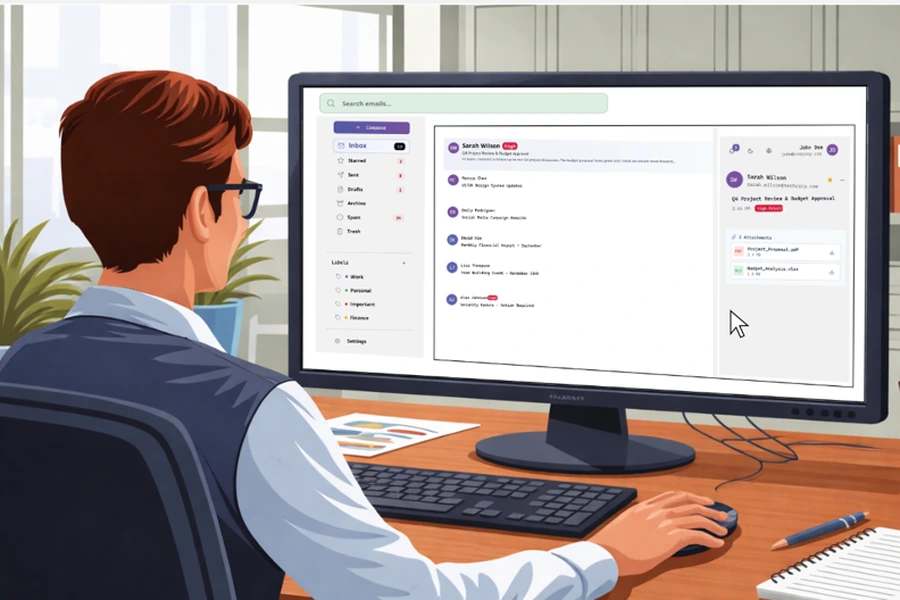
Explore MoreTax evasion facilitation risk does not always arrive clearly labelled as a compliance issue. It may begin with a client request, an unusual transaction, a complex arrangement or a third-party relationship that deserves closer scrutiny.
A payment, arrangement or instruction does not fit the expected pattern.
Awareness helps them recognise when further consideration may be needed.
Concerns are raised through the organisation’s appropriate reporting process.

Tax evasion is the deliberate and dishonest avoidance of tax that is legally due.
Understanding tax evasion is the starting point for recognising when another person may be helping to facilitate it. The course introduces learners to the distinctions between tax mitigation, tax avoidance and tax evasion.
From there, learners explore how potential risks can arise through business processes, transactions, customers and third-party relationships.
Criminal facilitation occurs when another person deliberately and dishonestly assists someone in committing tax evasion.
The Criminal Finances Act 2017 introduced corporate offences relating to organisations that fail to prevent people acting for or on their behalf from criminally facilitating tax evasion.
This makes awareness particularly important where employees or other associated persons deal with financial activity, customers, suppliers, intermediaries or complex business relationships.

The course moves from understanding the legislation and identifying exposure through to risk assessment, due diligence, policy design, communication, reporting and ongoing monitoring and review.

Explore internal and external risk factors, map business processes and consider likelihood and impact when prioritising potential exposure.

Understand how business relationships, transaction complexity and identified risks can influence scrutiny and review.
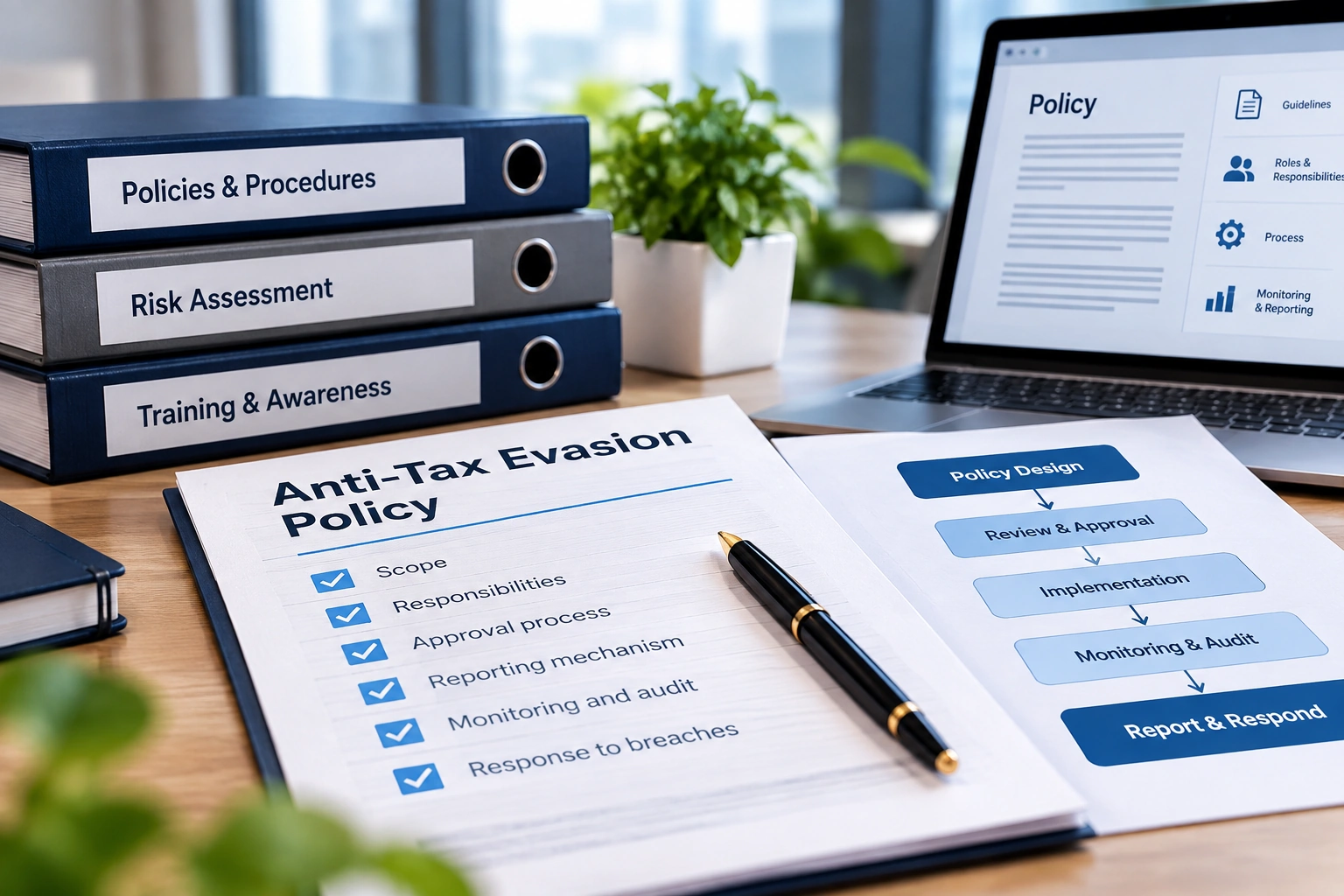
Consider responsibilities, policy scope, checkpoints, reporting mechanisms, audit processes and the response to policy breaches.
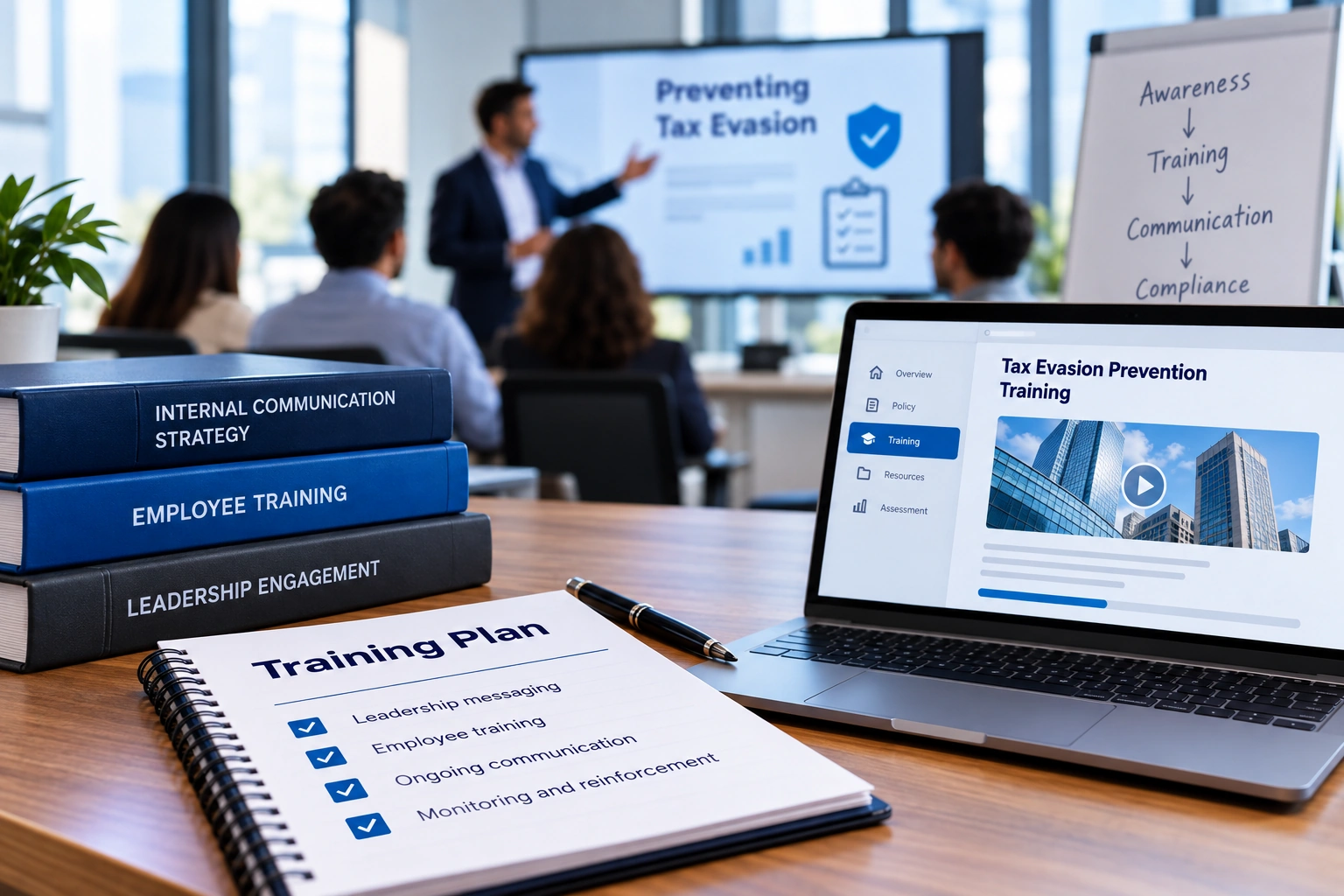
Explore leadership endorsement, internal communication, employee training and appropriate channels for reinforcing organisational expectations.

Understand the importance of accessible reporting processes, clear ownership, appropriate record keeping and escalation.

Explore ongoing review, red-flag assessment, auditing, record keeping and the need to update processes when weaknesses are identified.
Selected SucceedLEARN courses are CPD certified, helping learners build practical compliance knowledge while supporting continuing professional development.
*CPD certification applies to selected courses only.
The course explores how organisations can examine their operating environment, financial processes, customers, jurisdictions, supply chains and third-party relationships when considering potential tax evasion facilitation risk.
Consider where money, decisions and information move through the organisation.
Consider jurisdictions, third parties, sectors and complex business relationships.
Consider likelihood and potential impact when deciding where attention is most needed.
Senior management plays an important role in setting expectations, supporting suitable controls and helping ensure prevention measures are understood and integrated into day-to-day operations.
Monitoring and review then feed back into the prevention process. Where weaknesses are identified, organisations can revisit processes, policies and communication.
The course is relevant to people whose responsibilities involve leadership, financial activity, business decisions, third-party relationships or tax compliance risks.
Leaders responsible for organisational tone, oversight, prevention frameworks and policy.
People who interact with clients, third parties or participate in business decisions.
Professionals involved in financial transactions, payments, reporting and financial administration.
People managing suppliers, contractors, procurement processes and vendor relationships.
Professionals supporting regulatory compliance, risk frameworks, controls and monitoring.
Professionals supporting governance, legal oversight, investigations or assurance activities.
Employees working with agents, suppliers, contractors, advisers or intermediaries.
Individuals involved in payments, transactions, procurement, customer activity or vendor management.
Anyone whose responsibilities could expose the organisation or individual to tax compliance or facilitation risk.
Learners interact with questions, scenarios and assessment activities designed to reinforce understanding as they progress through the course.
The supplied course content includes scenario-based learning around risk assessment and due diligence, helping learners consider how they would respond in different circumstances.

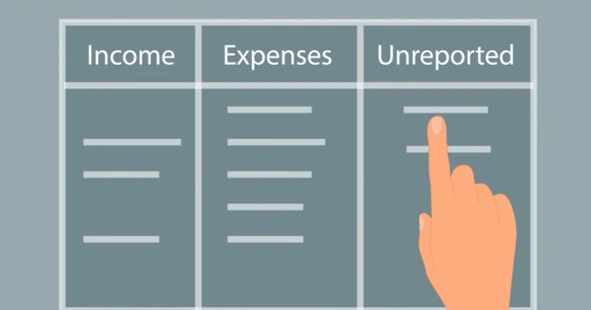

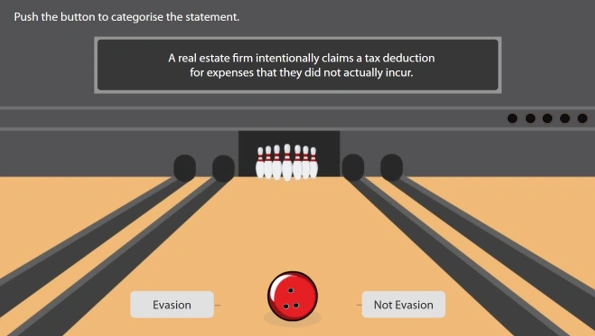
Compliance learning should make complex topics easier to understand while helping learners connect requirements with their workplace responsibilities.
Complex compliance concepts presented in an accessible way.
Learning linked to workplace responsibilities and decisions.
Knowledge checks and assessment activities encourage active participation.
The course connects legislation with risk, policy, reporting and monitoring.
Tax evasion is the deliberate and dishonest avoidance of tax that is legally due.
Criminal facilitation occurs when another person deliberately and dishonestly helps someone commit tax evasion.
It is UK-focused eLearning that helps learners understand tax evasion, the Criminal Finances Act 2017, risk assessment, due diligence, associated persons, reporting and monitoring.
Part 3 of the Criminal Finances Act 2017 introduced corporate offences relating to failure to prevent the criminal facilitation of tax evasion.
The course is relevant to senior management, employees and managers, finance and accounts teams, procurement and vendor teams, compliance and risk professionals, legal and audit teams, people working with third parties or intermediaries, and other roles exposed to tax compliance risk.
The course covers leadership responsibility, risk assessment, due diligence, policy development, communication and training, reporting, and ongoing monitoring and review.
Yes. The course includes knowledge checks, scenario-based learning and assessment activities.
The course duration is 30 minutes.
Yes. The course is CPD-certified.
Tell us a little about your organisation and training needs. This form can be connected to your preferred CRM or enquiry workflow during implementation.