
- Engaging animated explainers
- Concise, voice-narrated slide content
- Hands-on, scenario-based interactions
- Practical, real-world workplace examples
- Regular quizzes to reinforce learning
- A final evaluation with certificate issuance

Learning Objectives
By the end of this course, learners will be able to:
- Understand the SMCR structure and the category they fall under
- Know the six FCA Conduct Rules and what each expects of them
- Identify how these rules apply in their daily work
- Learn when to raise concerns and how to escalate them properly
Why SMCR Employees eLearning Course?
Practical scenarios
Help employees decide when to wait for authorisation, act independently, prioritise accuracy over deadlines, escalate issues, and contribute to the firm’s overall success.
Emphasis on living the FCA Conduct Rules
From failing to escalate a potential mis-selling risk to choosing between presenting the firm in the best light or transparently explaining associated risks, the course explores a wide range of real-world integrity challenges.
Reinforces a culture of accountability and good judgement
The course teaches employees at all levels, from junior staff to senior leaders, their responsibility to raise concerns promptly and confidently, without fear of repercussions.
Empowers early misconduct detection
Employees learn how to spot red flags, understand the consequences of inaction, and intervene appropriately before issues escalate.
Clarifies roles, responsibilities, and decision-making boundaries
Helps employees understand where they sit under SMCR (e.g., Certification Regime) and prevents them from unknowingly performing regulated activities without proper oversight.
Prevents costly compliance breaches
Helps staff avoid actions like sharing sensitive client information, which can lead to FCA investigations and reputational harm.
Supports consistent behaviour across teams and function
By aligning everyone to the Conduct Rules and shared expectations, the course ensures uniform standards of behaviour firm-wide.
Demonstrates that your org has taken reasonable steps to train staff
The HR dashboard in our LMS provides clear training records, completion status, and audit-ready documentation - helping your firm evidence the “reasonable steps” taken under SMCR.
Laws & Regulations Addressed in SMCR Employees eLearning Course:
| Legislation / Concept | Relevance in the Course |
|---|---|
| The FCA’s Six Conduct Rules | The FCA’s Six Conduct Rules are set out in the Code of Conduct Sourcebook (COCON) and form the foundation for how all regulated employees are expected to behave. The course helps employees understand how to apply the FCA Conduct Rules, why compliance matters, and how breaches can result in regulatory penalties, personal accountability, and reputational damage for both individuals and the firm. |
Course's Screenshots

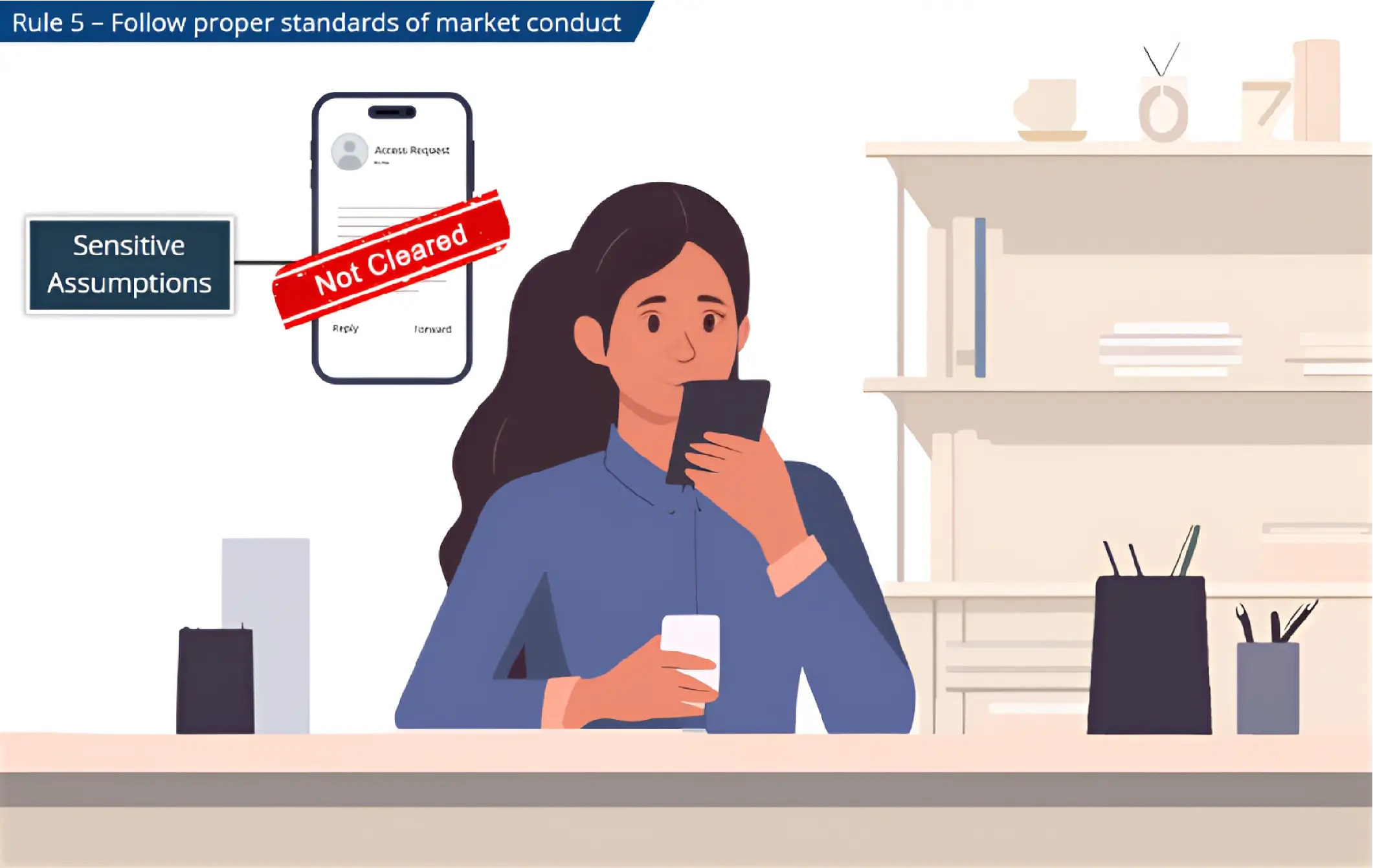
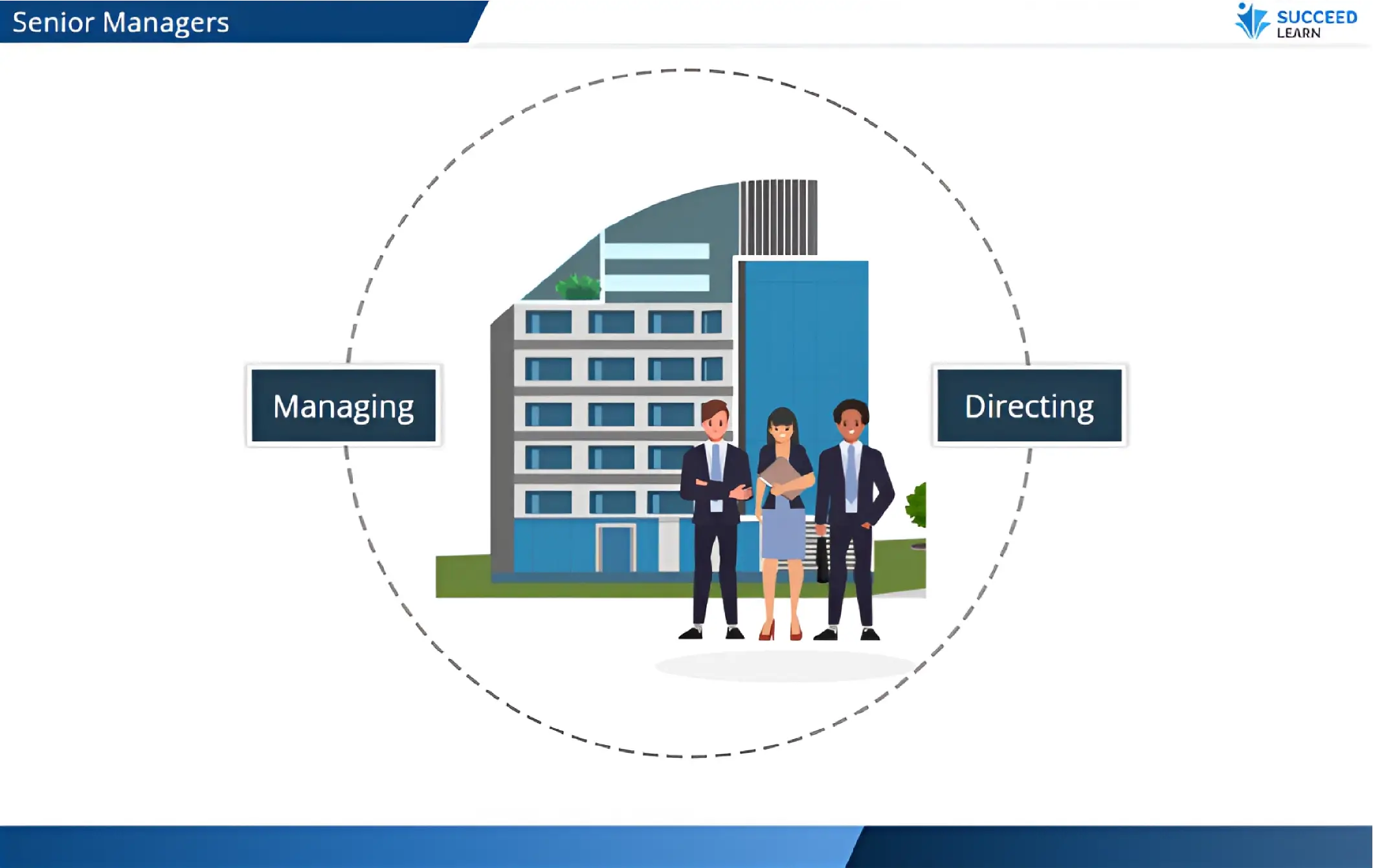




Course Structure
Learning elements
Format & accessibility
The platform offers fully responsive design across desktop, tablet, and mobile, along with a learner dashboard, progress tracking, employee reminders, and seamless integration with your existing systems.
Target Audience
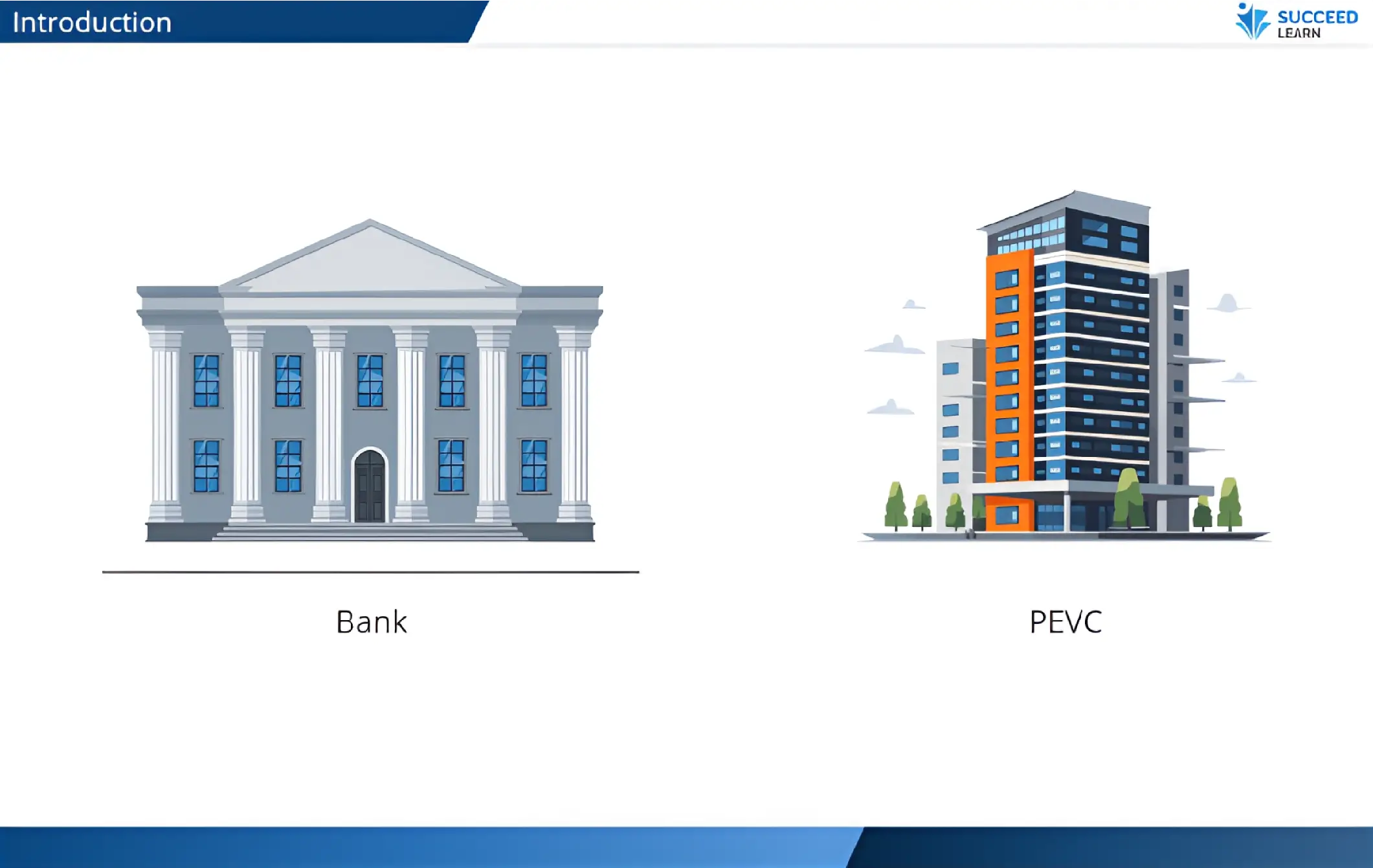
The SMCR Employees eLearning Course is ideal for individuals across all FCA-regulated sectors such as Banking and Building Societies, Credit Unions, Investment Firms and Asset Management, Insurance and Reinsurance Firms, compliance and supervisory roles who may, directly or indirectly, influence or transact in situations involving securities or funds. It is tailored for:
- Senior Managers’ direct reports
- New joiners in FCA-regulated firms
- Support functions such as HR, Finance, IT, and Risk
- Temporary, contract, or outsourced staff
- Employees transitioning into regulated roles
In short, for all employees subject to the FCA Conduct Rules such as customer-facing staff, operations teams, compliance-adjacent roles.
Case Studies: Real Consequences of Non-Compliance
The FCA is the UK regulator responsible for enforcing SMCR rules, and individuals who breach these rules can face personal regulatory action, including fines or bans from working in regulated roles.
Organisations could also be penalised for governance and integrity issues. The following examples strongly imply that non-compliance with SMCR regulations can result in severe backlash and regulatory risks:
- Julius Baer International Limited was fined £18,022,500 in 2022 for major governance and oversight failures, including breaches of FCA Principles 1, 3, and 11. The case shows how gaps in conduct, diligence, and accountability can lead to serious compliance issues - reinforcing the need for strong SMCR Conduct Rules training to help employees understand their responsibilities and act with integrity.
- Blue Gate Capital was fined £14 million in 2017, with a further £139,000 penalty for CEO John Joseph March, due to governance failings, mismanaged client assets, and integrity concerns. The FCA identified breaches of Conduct Rules 1 and 2, showing gaps in integrity and due diligence. The case illustrates how weak understanding of conduct expectations can lead to serious failures and personal accountability under SMCR, as highlighted in the article.
Course Outline
Understanding SMCR: The Three Tiers and Who They Apply To
- Senior Managers
- Certified Persons
- Conduct Rules Staff (All Other Staff)
Importance of Certification Regime
- Accountability
- Trust
- Risk Management
The Six Individual Conduct Rules
- Rule 1 – You must act with integrity
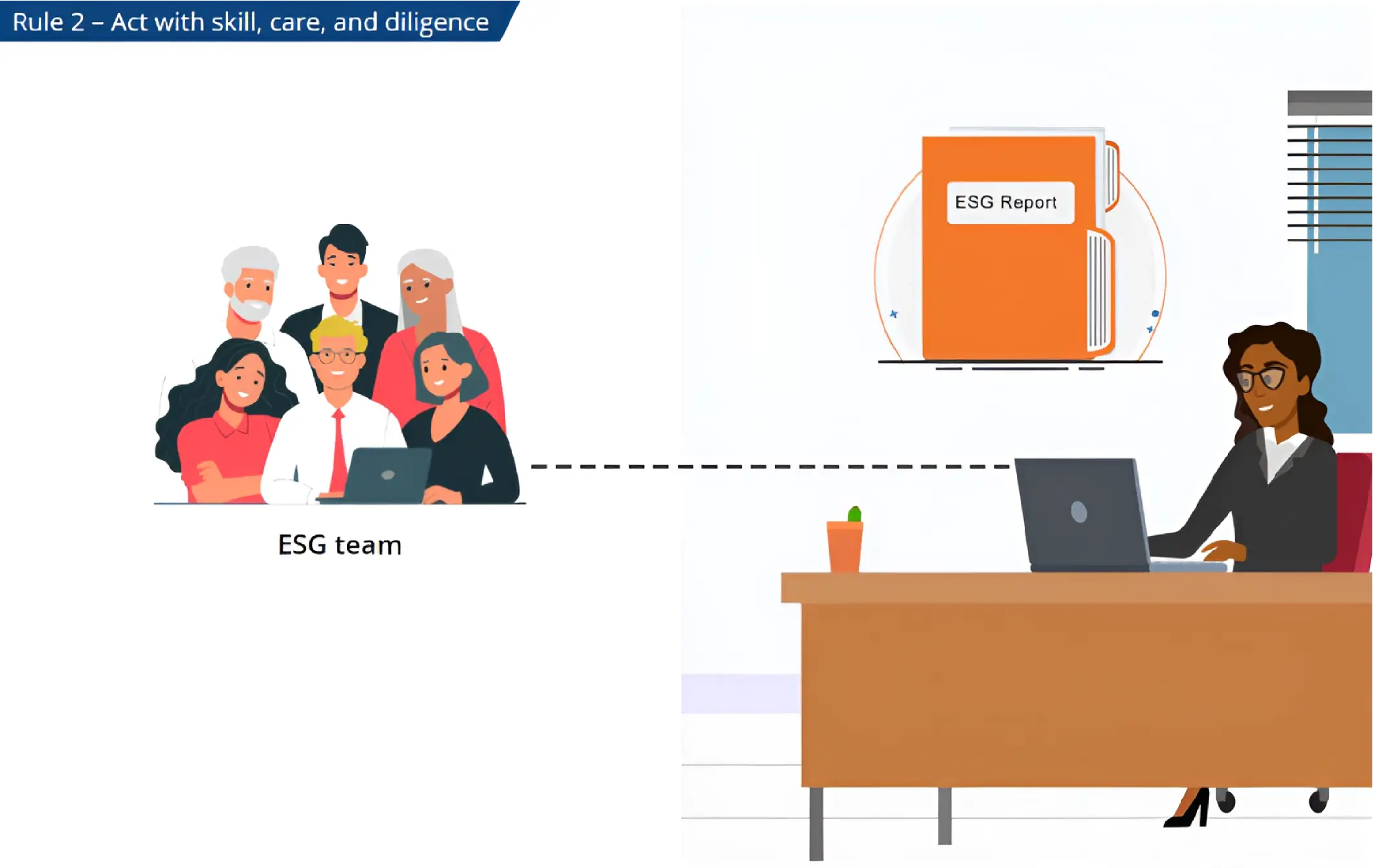
- Rule 2 – You must act with due skill, care and diligence
- Rule 3 – You must be open and cooperative with regulators
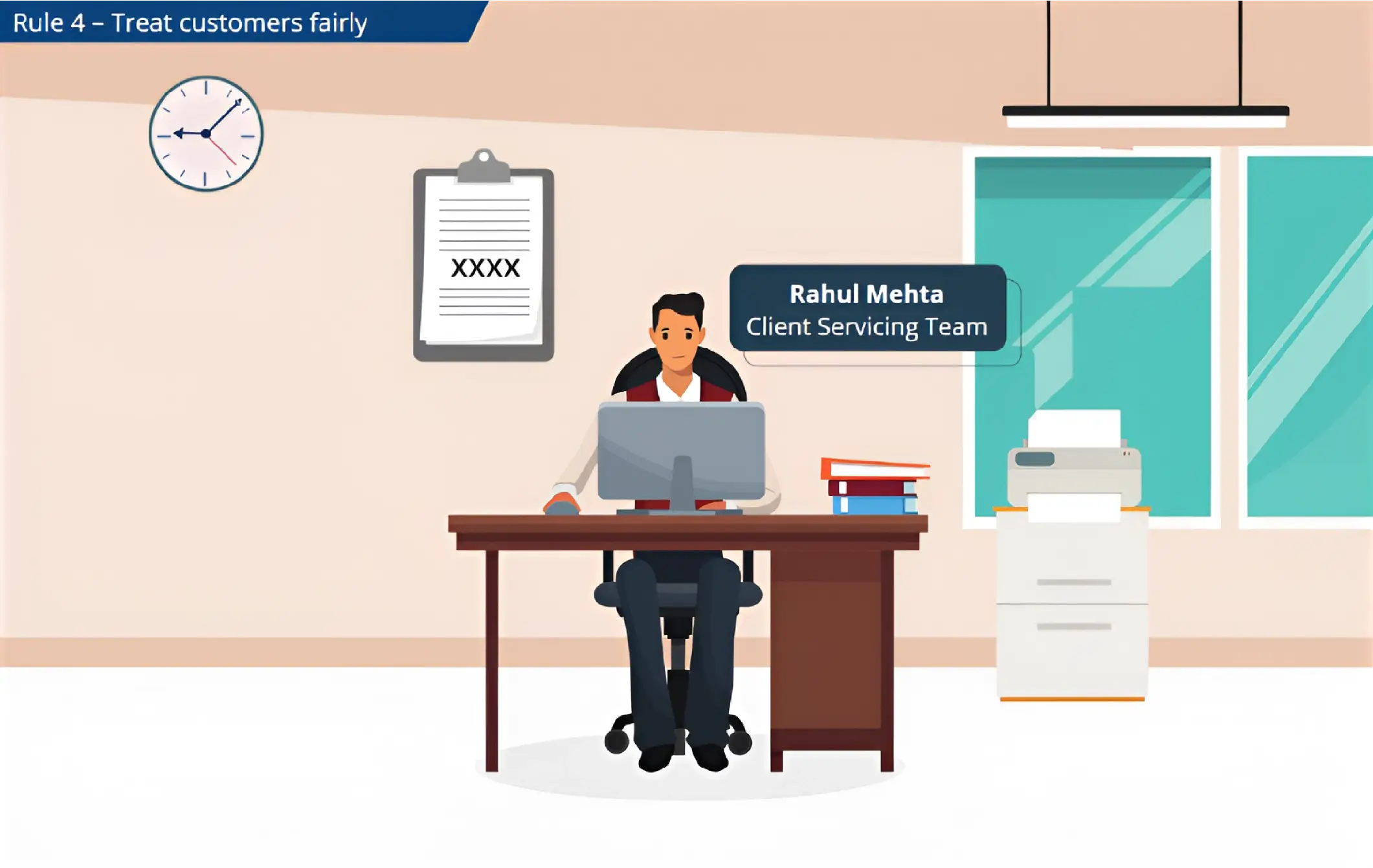
- Rule 4 – You must pay due regard to the interests of customers and treat them fairly
- Rule 5 – You must observe proper standards of market conduct
- Rule 6 – You must act to deliver good outcomes for retail customers
Scenarios explaining each rule.
Annual Attestation
Reporting and Escalation
Total Duration: 30 Mins
FAQs
The Senior Managers and Certification Regime (SMCR) was introduced in the UK after the 2008 financial crisis to address widespread governance and conduct failings. Following the Parliamentary Commission on Banking Standards’ 2012 findings that accountability across firms was too weak, the regime replaced the old Approved Persons Regime and expanded across all FCA-regulated firms. While it strengthens responsibility at the top, SMCR also sets clear expectations for employees, requiring them to meet the FCA’s Conduct Rules, act with integrity, treat customers fairly, avoid conflicts of interest, and escalate issues promptly. Its purpose is to ensure that every employee - not just senior leaders - understands their role in maintaining high conduct standards, reducing risk, and supporting a culture of accountability across the org.
The course helps your staff understand their responsibilities under the Senior Managers and Certification Regime, ensuring they comply with FCA Conduct Rules and support a culture of accountability.
The Financial Conduct Authority (FCA) is the UK regulator that oversees financial services and protects consumers. Under SMCR, the FCA sets the rules, approves senior managers, and ensures firms meet conduct and accountability standards. It also monitors compliance and can take enforcement action against firms or individuals who fail to meet SMCR requirements.
Firms must take “reasonable steps” to train all Conduct Rules staff. This course helps you meet regulatory expectations, reduce conduct-related risks, and demonstrate compliance to the FCA.
All employees subject to the FCA Conduct Rules, including certification staff, customer-facing teams, operations, risk, HR, finance, IT, and new joiners in regulated roles.
Yes. The training is required under the FCA’s Conduct Rules (COCON 2.1 and 2.2.),
COCON 2.1 sets out the six basic Conduct Rules that apply to almost all employees of FCA-regulated firms. These rules define how individuals must behave in their everyday roles. They require employees to act with integrity, exercise due skill and care, treat customers fairly, be open with regulators, and follow proper standards of market conduct.
COCON 2.2 outlines four additional Conduct Rules that apply specifically to Senior Managers. These rules focus on accountability, requiring Senior Managers to take reasonable steps to ensure their areas of responsibility are effectively controlled, meet regulatory requirements, and properly oversee staff and risk.
In line with this, the course provides structured, documented learning that you can evidence during audits, reviews or FCA supervision.
Lack of training can lead to breaches, regulatory scrutiny, and potential enforcement under SMCR, especially if the firm cannot show it took “reasonable steps”.
Absolutely. It applies across all FCA-regulated sectors, including banking, insurance, securities, fund management, investment firms, consumer credit, payments, and fintech.
Yes. It features practical, industry-relevant situations that help employees understand judgement calls, escalation duties, and common compliance pitfalls.
Yes. The course can be tailored to include your policies, business examples, branding, reporting lines, and sector-specific scenarios.
Employees receive a completion certificate, which helps your firm document training, track compliance, and maintain audit trails.
Yes. Providing structured Conduct Rules training is an important reasonable-steps measure for senior managers under the Duty of Responsibility.
Definitely. Well-trained staff are less likely to mis-handle client information, fail to escalate issues, or breach Conduct Rules thereby reducing your risk exposure.
Typically, 30-40 minutes, depending on your customisation needs and assessments.
Yes. It is fully responsive and works seamlessly on desktop, tablet, and mobile.
Training is recommended annually, or whenever regulations change, staff roles shift, or new joiners start a Conduct Rules-covered function.
The delivery is fully flexible. If you have an in-house LMS, we can provide the course as a SCORM-compliant package. If not, we offer a seamless SaaS-based hosting option for easy access and deployment.