Skip to content
Financial Services Security Awareness

Cybersecurity Awareness Training for BFSI & PE/VC

Build Cyber Awareness Around the Risks Financial Services Employees Face Every Day

Financial services organizations handle highly sensitive customer, financial, investor, employee and transaction data every day. At the same time, employees are increasingly exposed to sophisticated social engineering, impersonation, insider threats, third-party risks and AI-enabled attacks.

SucceedLEARN's Cybersecurity Awareness Training for BFSI & PE/VC is purpose-built for employees across Banking, Financial Services and Insurance (BFSI), Private Equity (PE) and Venture Capital (VC) organizations.

Through practical scenarios and interactive learning, the course helps employees recognize security threats, protect sensitive information, respond appropriately to suspicious activity, and understand their role in reducing human-related cyber risk.

Cybersecurity Awareness Training for BFSI and PE/VC
Why cybersecurity awareness matters for BFSI and PE/VC
Financial Services Risk

Why Cybersecurity Awareness Matters for BFSI & PE/VC

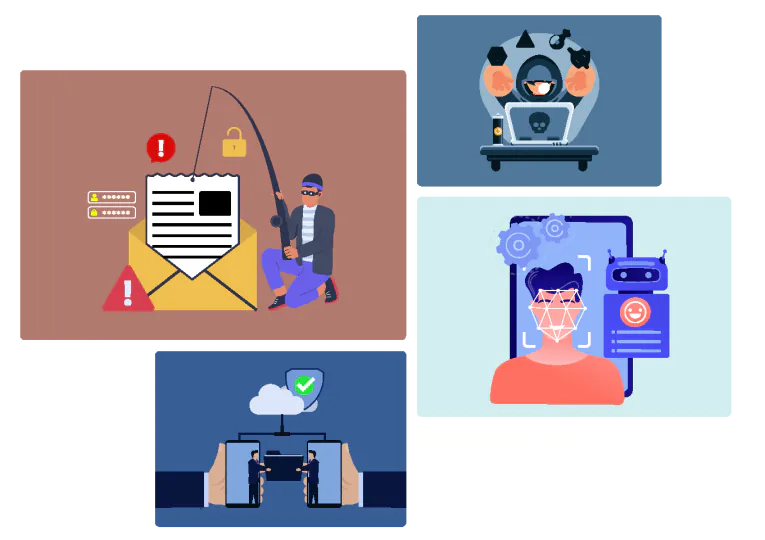
Cybercriminals do not always need to defeat sophisticated security technology. Sometimes, they only need an employee to trust the wrong email, approve a fraudulent request, share information with an unverified third party or overlook suspicious activity.

For BFSI and PE/VC organizations, the potential impact is particularly significant. Employees may work with financial transactions, customer information, investor data, confidential deal information, portfolio-company data and market-sensitive information.

The threat landscape also extends beyond conventional phishing. Employees may encounter voice and video impersonation, deepfakes, compromised insiders, malicious or negligent internal behavior, unsafe third-party data sharing and physical attempts to gain access to information or premises.

Cybersecurity awareness training helps employees understand these risks in the context of the work they actually perform.

Learning Outcomes

What Will Employees Learn?

By the end of the BFSI & PE/VC Cybersecurity Awareness Training, learners will be better equipped to:

  • Recognize phishing, vishing, smishing, and other social-engineering techniques.
  • Identify warning signs associated with malicious, negligent, and compromised insider threats.
  • Apply appropriate physical security practices in the workplace.
  • Understand how personal and sensitive information should be handled and protected.
  • Recognize risks associated with third parties, vendors, and external data sharing.
  • Identify AI-enabled phishing, deepfakes, and impersonation attempts.
  • Verify suspicious requests before taking action.
  • Recognize when a security or privacy incident may have occurred.
  • Follow appropriate reporting and escalation procedures.
  • Understand how everyday employee decisions can affect organizational cybersecurity.
Course Coverage

Cybersecurity Risks Covered in the Course

Social engineering awareness for financial-services employees

Social Engineering

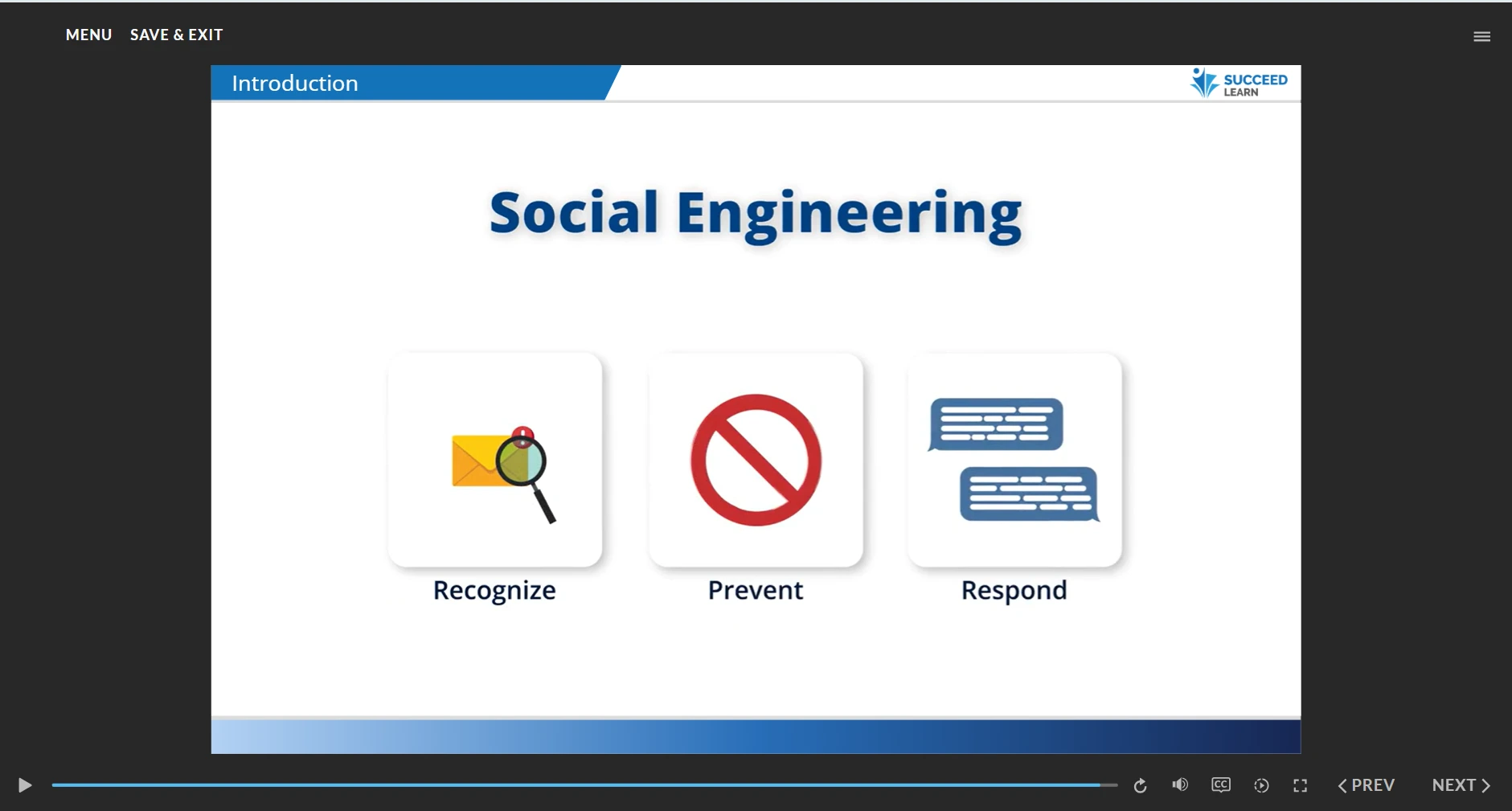
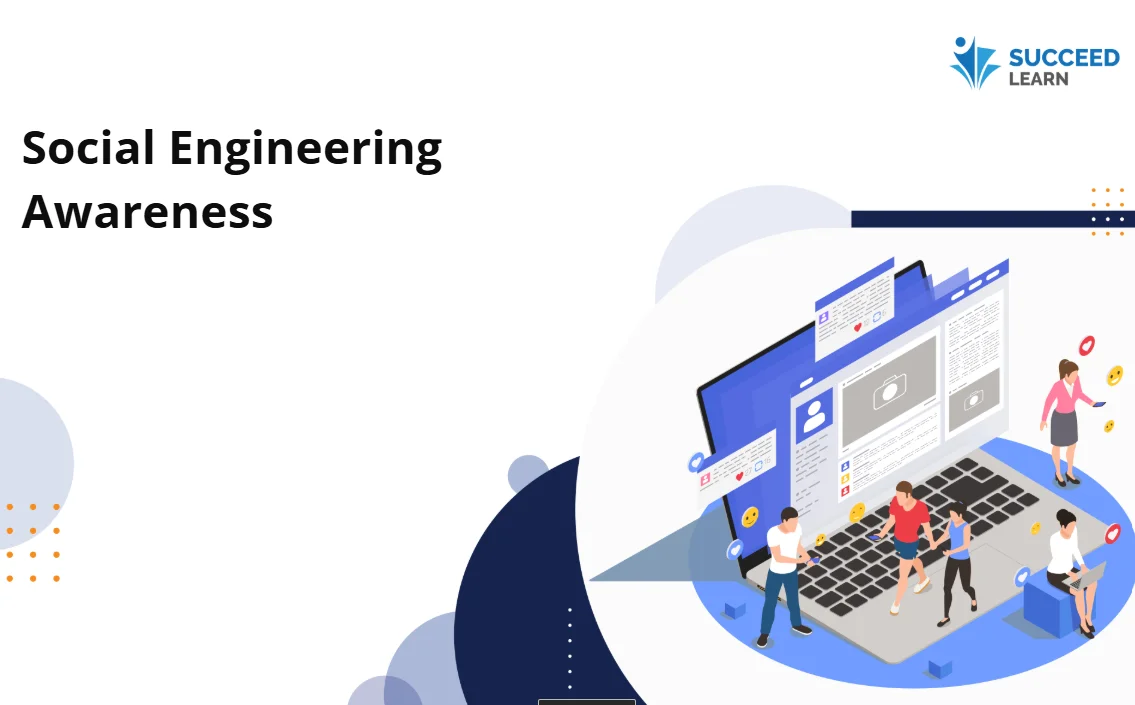
Social-engineering attacks exploit trust, urgency, authority and human behaviour to persuade employees to disclose information, transfer funds, provide credentials or take unsafe actions.

Employees learn to recognise different forms of phishing and impersonation across email, SMS, telephone and video, identify common warning signs and apply appropriate verification and reporting steps.

Key areas: Phishing · Smishing · Vishing · Impersonation · Suspicious Requests · Verification · Reporting
Insider threat awareness training

Insider Threats

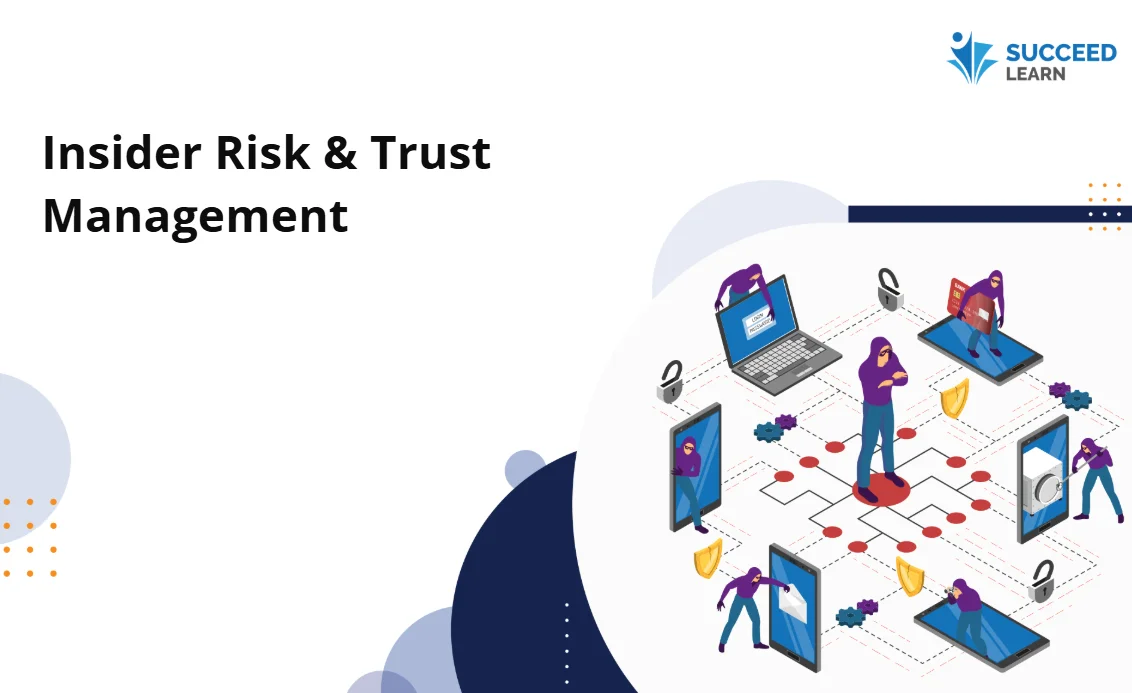
Not every cybersecurity threat originates outside the organisation.

The course introduces malicious, negligent and compromised insider threats, helping employees understand how legitimate access can be misused intentionally, accidentally or after an account has been compromised.

Learners explore warning signs, preventative behaviours and appropriate reporting actions.

Key areas: Malicious Insiders · Negligent Behaviour · Compromised Accounts · Data Misuse · Reporting

Physical security awareness in the workplace

Physical Security

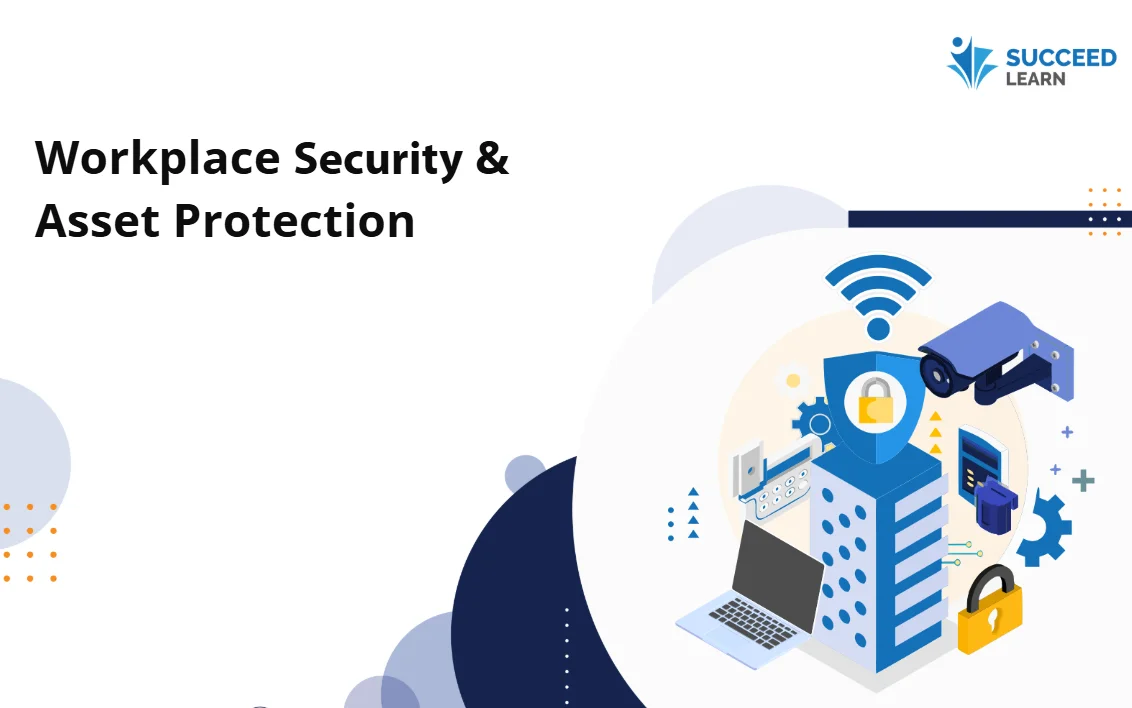
Cybersecurity also depends on protecting physical access to people, devices, documents and facilities.

Employees learn to recognise risks such as tailgating, unsecured devices, forged or misused access credentials and unattended confidential information, while reinforcing appropriate workplace security practices.

Key areas: Access Control · Tailgating · Device Security · Visitor Security · Confidential Information

Data privacy awareness for BFSI and PE/VC employees

Data Privacy

Employees regularly interact with personal and sensitive information, making appropriate data handling an important part of security awareness.

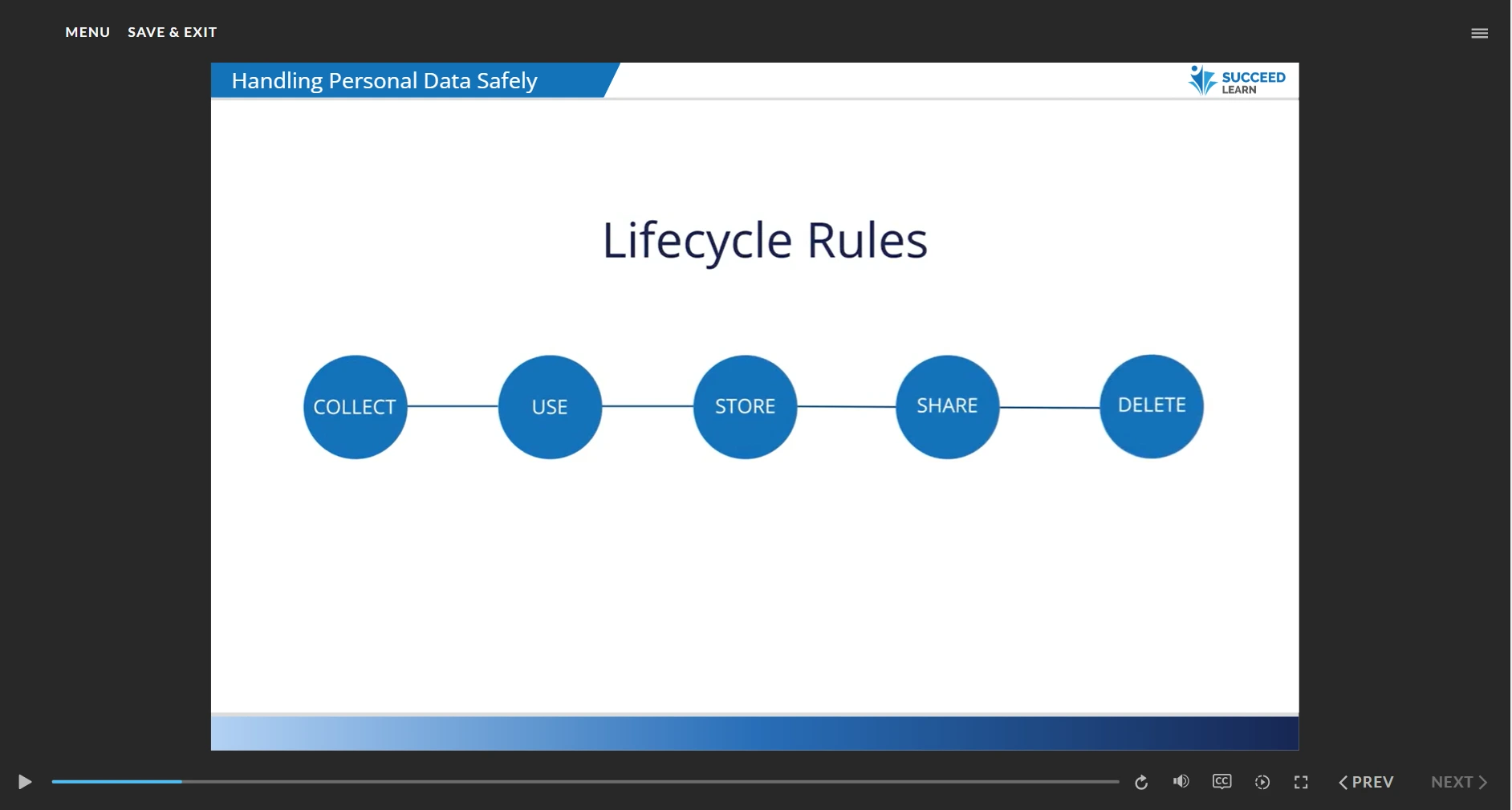
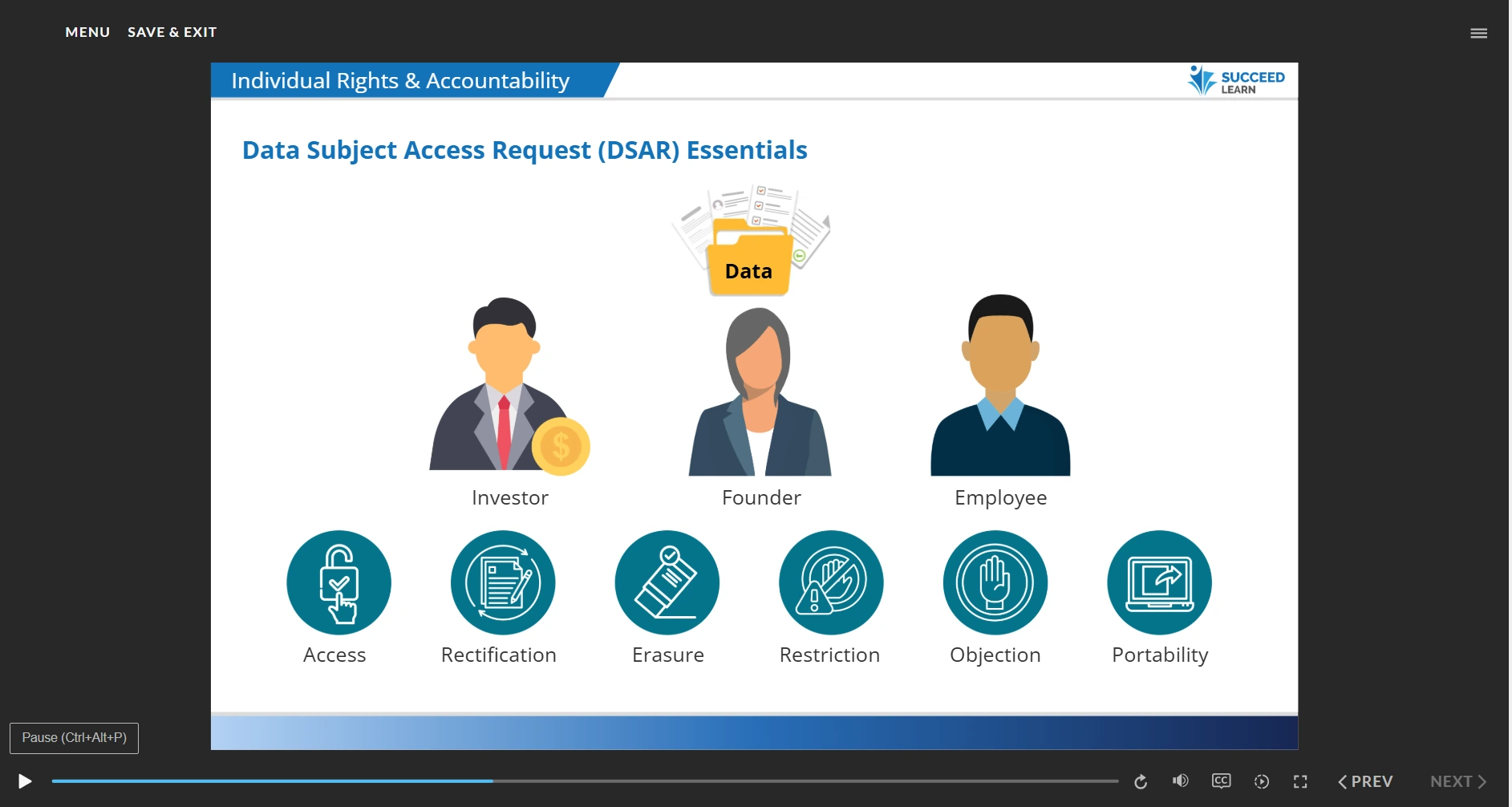
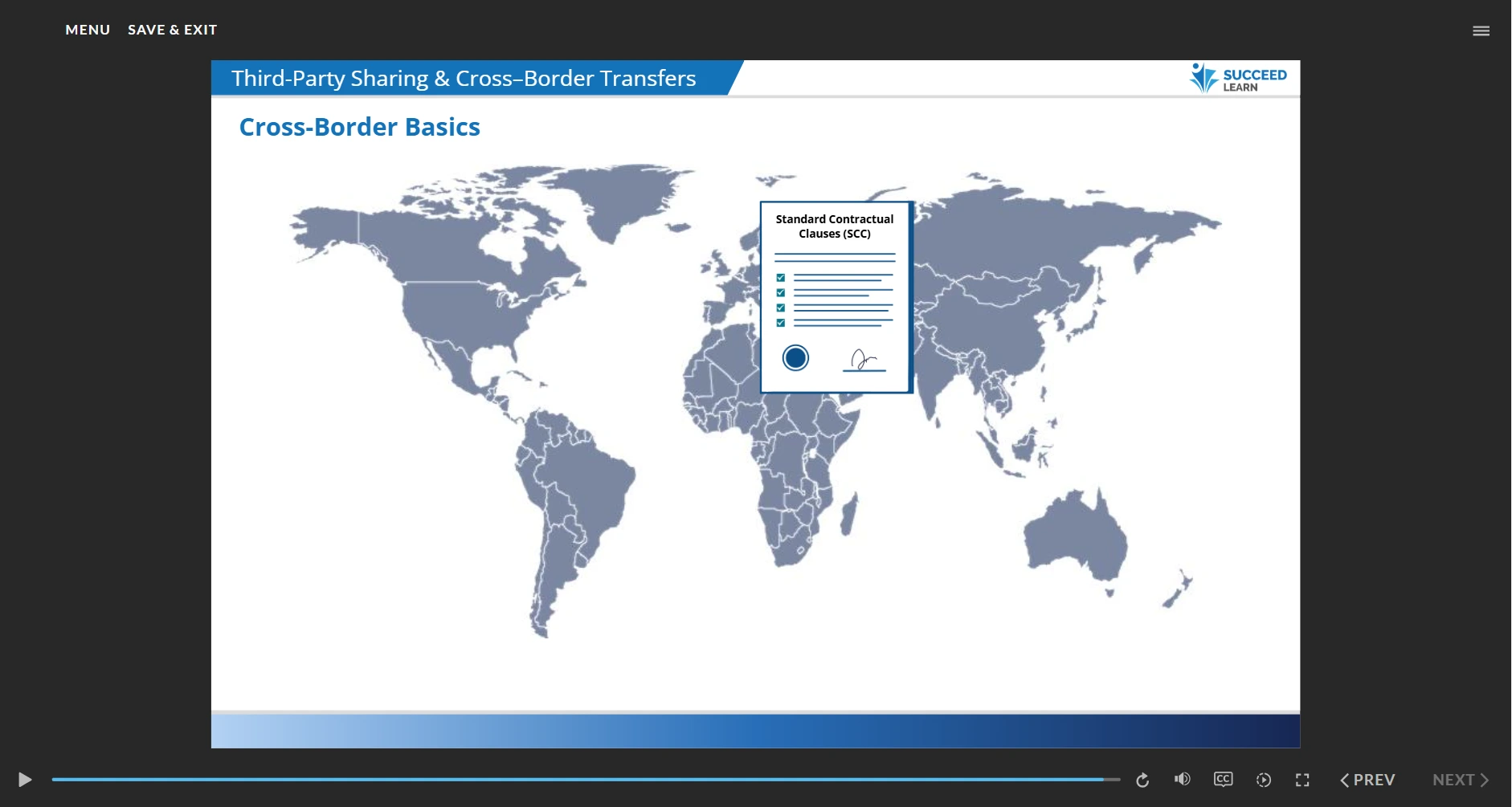
The training helps learners distinguish different types of personal information and understand principles around lawful processing, data handling, retention, data-subject requests, incident reporting, third-party sharing and cross-border transfers.

It also introduces privacy considerations associated with AI.

Key areas: Personal Data · Sensitive Data · Data Handling · DSARs · Data Incidents · Third-Party Sharing · Responsible AI

Third-party risk awareness for financial services

Third-Party Risk

Vendors, service providers and external platforms can introduce cybersecurity and data-protection risks even when an organisation maintains strong internal controls.

Employees learn their role in following approved processes for vendor engagement, data sharing, onboarding and escalation, helping ensure established third-party controls are followed in day-to-day work.

Key areas: Vendor Risk · Approved Third Parties · Secure Data Sharing · Due Diligence · Escalation

AI-based cyberattack awareness

AI-Based Attacks

Artificial intelligence is increasing the realism and scalability of social-engineering and impersonation attempts.

The course helps employees recognize AI-generated phishing, deepfake video, voice impersonation, and other AI-enabled deception techniques, including disinformation, market manipulation and data leak risks.

Key areas: Deepfakes · Voice Cloning · AI Phishing · Impersonation · Disinformation & Market Manipulation · Data Leak Risks

Workplace Context

Built Around Financial-Services Scenarios

Generic cybersecurity examples can be difficult for employees to connect with their own responsibilities.

This course places security awareness within situations relevant to BFSI and PE/VC environments, where employees may encounter:

  • Urgent payment instructions appearing to come from senior leadership.
  • Investor or executive impersonation through email, telephone or video.
  • Requests to share confidential information with external parties.
  • Suspicious vendor communications involving organisational or customer data.
  • Unusual internal activity that could indicate negligent, malicious or compromised behaviour.
  • AI-generated communications designed to make fraudulent instructions appear authentic.
  • Physical attempts to access restricted areas, devices or information.

The objective is to help employees move from simply knowing that cyber threats exist to understanding how to recognise, verify, report and respond to them.

Regulatory Context

Laws & Regulations

How GDPR and DORA relate to the BFSI and PE/VC cybersecurity awareness course
Legislation / Concept Relevance in the Course
General Data Protection Regulation (GDPR) The Data Privacy Training is designed to operationalise GDPR requirements by training employees on lawful basis, personal and special-category data handling, data minimisation, retention, DSAR routing, breach identification and 72-hour reporting, third-party sharing, cross-border transfers, and accountability, helping employers demonstrate compliance through workforce awareness and defensible controls.
EU Digital Operational Resilience Act (DORA) Establishes direct accountability for organisations, particularly financial entities, for ICT (Information and Communication Technology) and security risks arising from third-party service providers, making employee awareness of vendor onboarding, data sharing, and ongoing oversight a regulatory necessity addressed by this training.
How the Course is Built

Course Structure

Learning Elements

Animated Explainers

Visually engaging animated explainers help employees understand cybersecurity concepts in a clear, accessible way.

Narrated Learning

Concise narrated learning keeps attention on the behaviours that matter in financial-services work.

Real-World Cases

Real-world case examples connect security awareness with situations employees may actually encounter.

Knowledge Checks

Frequent knowledge checks and quizzes reinforce understanding throughout the learning journey.

Final Assessment

A final assessment checks whether employees can apply the security behaviours covered in the course.

Format & Accessibility

Responsive learning across desktop, tablet and mobile devices.

Certificate

On successful completion and assessment, learners can generate a completion certificate, configurable according to organisational requirements.

Curriculum

Course Outline

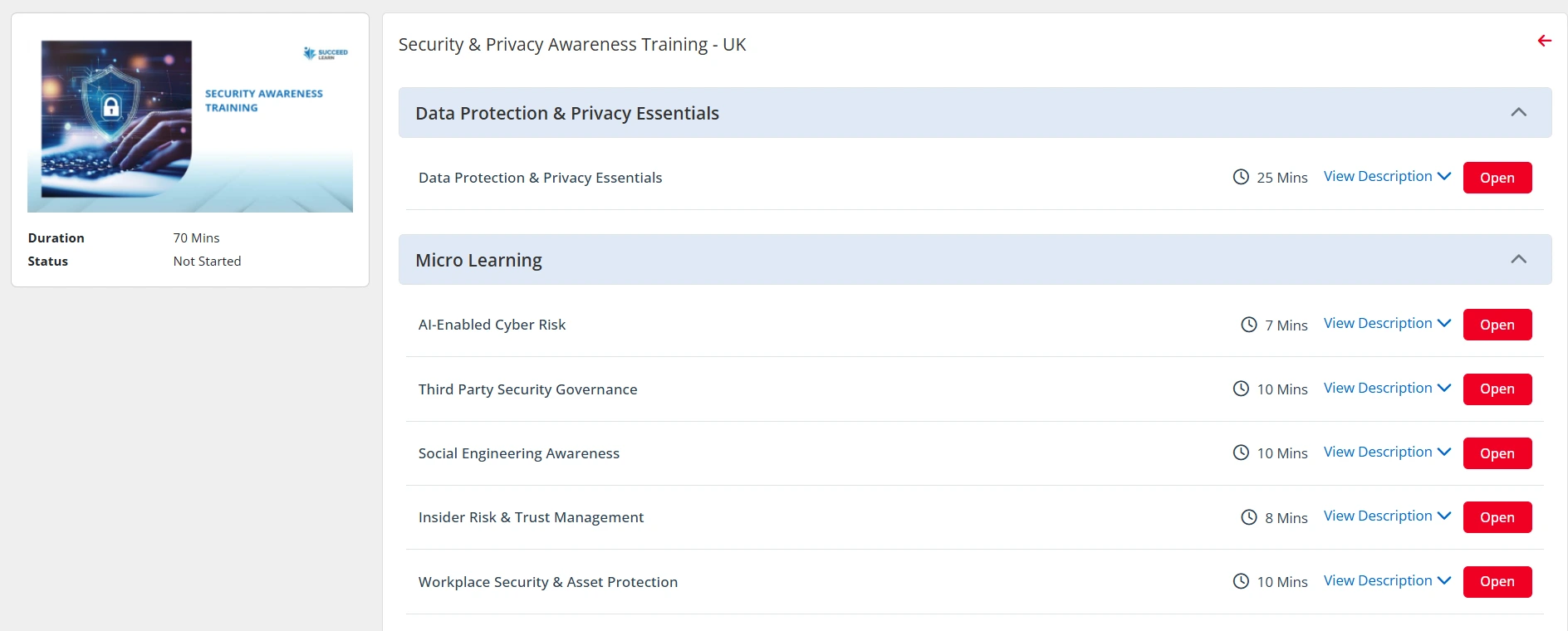
Social Engineering

  • Introduction
  • Your Role
  • Types of Phishing
  • Spot Phishing Scams with the SCAR Test
  • Calls & Video: Verify with CALL-BACK

Insider Threat

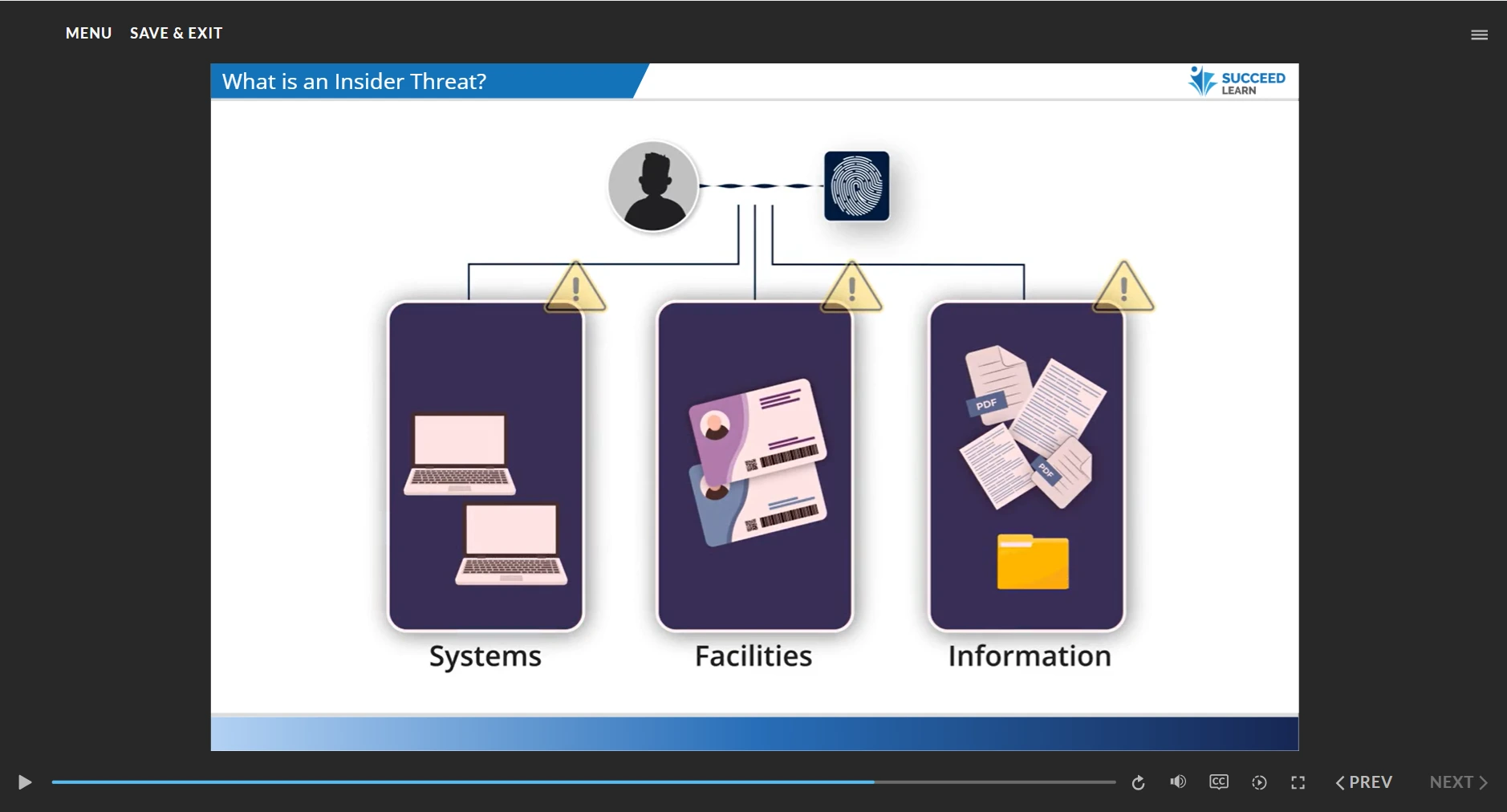
  • What is an Insider Threat?
  • Examples of Insider Threats
  • Preventing Insider Threats
  • What to Do if You Suspect an Insider Threat?
  • Consequences of Misuse

Physical Threat

  • Introduction
  • Case Study
  • Your Safeguards
  • Employee Responsibilities
  • Consequences of Non-Compliance

Data Privacy Training

  • Foundations & Principles
  • Handling Personal Data & Classification
  • Incident Response & Breach Reporting
  • Third-Party Sharing & Cross-Border Transfers
  • Privacy Culture & Responsible AI

Third Party Risk

  • Why Third-Party Risk Matters
  • How Your Firm Manages Third-Party Risk
  • Your Role in Managing Third-Party Risk
  • Best Practices for Third-Party Data Sharing
  • Consequences of Non-Compliance

AI Based Attacks

  • Types of AI-based Attacks
  • Deepfakes & AI-generated Phishing
  • Disinformation & Market Manipulation
  • Learner’s Role
  • What Happens If You Miss Out
Course Screenshots

See the Training in Action

Learn Through Real-World Cybersecurity Scenarios

Cybersecurity risks become easier to recognise when employees can see how they appear in realistic workplace situations.

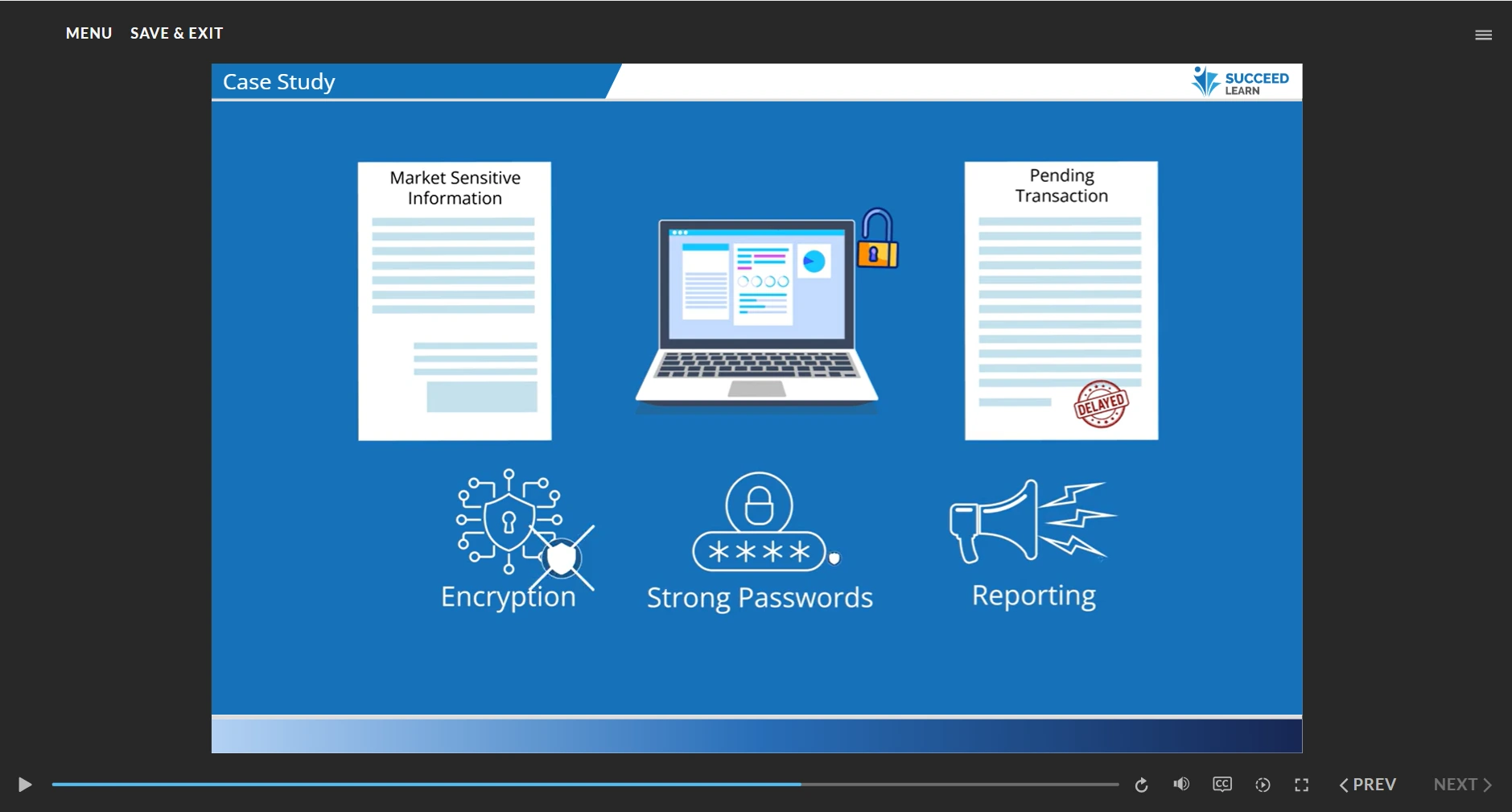
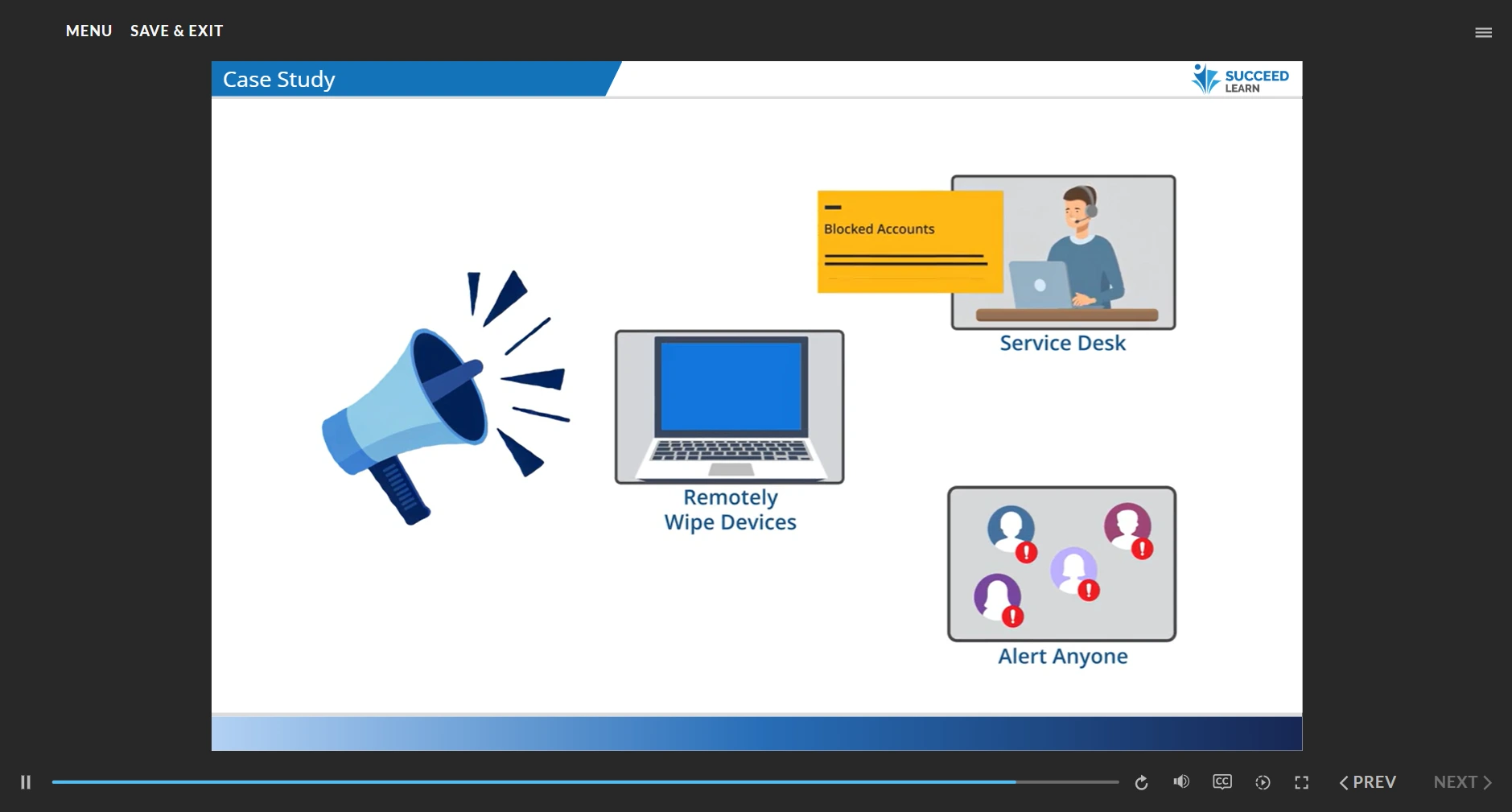
Throughout the course, learners encounter visual explanations, financial-services scenarios and interactive learning covering areas such as social engineering, insider threats, physical security, data privacy, third-party risk and AI-enabled attacks.

Knowledge checks reinforce key concepts throughout the learning journey, helping employees practise how to recognise suspicious activity, make safer decisions and respond appropriately when something does not look right.

Request a Demo
BFSI & PE/VC cybersecurity awareness course screenshot 1
BFSI & PE/VC cybersecurity awareness course screenshot 2
BFSI & PE/VC cybersecurity awareness course screenshot 3
BFSI & PE/VC cybersecurity awareness course screenshot 4
BFSI & PE/VC cybersecurity awareness course screenshot 5
BFSI & PE/VC cybersecurity awareness course screenshot 6
BFSI & PE/VC cybersecurity awareness course screenshot 7
BFSI & PE/VC cybersecurity awareness course screenshot 8
1 / 8
Real-World Impact

Case Studies: Real Consequences of Non-Compliance

Although Social Engineering, Insider Threat, Physical Security, Data Privacy, Third-Party Risk, and AI-based Attacks training are not always explicitly mandated as standalone legal requirements, regulators consistently expect documented, role-based security and privacy training as part of reasonable organizational controls. Companies that fail to train employees on threat recognition, data handling, vendor risks, and incident reporting face significantly higher penalties after incidents, making such training effectively mandatory in practice to demonstrate compliance, due diligence, and risk reduction.

Interserve Group Limited (UK)

Interserve Group Limited (UK) was fined £4.4 million by the UK Information Commissioner’s Office (ICO) after a phishing email enabled attackers to access internal systems and compromise the personal data of over 100,000 employees. The regulator concluded that the breach stemmed from a social-engineering attack combined with inadequate security awareness and response controls, highlighting the compliance risk of insufficient employee training.

Morgan Stanley – Insider Data Misuse (United States)

In 2016, Morgan Stanley faced regulatory action after a former financial advisor misused authorised system access to extract data relating to approximately 350,000 client accounts and attempted to transfer it externally. The incident resulted in enforcement scrutiny, litigation exposure, reputational damage, and a significant compliance remediation programme, highlighting how failure to adequately prevent, monitor, and train employees on insider threat risks can lead to severe regulatory and business consequences.

Target Corporation (2013)

A major data breach occurred after attackers accessed Target’s network through a compromised third-party vendor, exposing millions of customer records. Target paid USD 18.5 million in regulatory settlements with U.S. states and incurred substantial remediation and legal costs, highlighting how weak third-party oversight and lack of employee awareness can lead to severe financial and reputational consequences.

Business Value

Why Cybersecurity Awareness Training for BFSI & PE/VC?

Protect Sensitive Financial and Investor Information

Employees across BFSI and PE/VC may access confidential financial, customer, investor, employee and transaction information. Awareness training helps reinforce the behaviours needed to protect that information.

Strengthen the Human Layer of Cybersecurity

Technical controls remain essential, but attackers also target employees through manipulation, impersonation and fraudulent requests. Training helps employees recognise when they are being targeted.

Reduce Social-Engineering and Fraud Risk

Employees learn to slow down, verify suspicious requests and report potential threats before acting—particularly important when instructions involve payments, credentials, sensitive information or senior executives.

Address Emerging AI-Enabled Threats

Deepfakes, voice cloning and AI-generated phishing make fraudulent communications increasingly convincing. Employees need practical verification habits, not simply awareness that AI threats exist.

Reinforce Third-Party Security Behaviour

Training helps employees understand their responsibilities when working with vendors, service providers and external platforms.

Encourage Earlier Incident Reporting

Employees who can recognise suspicious activity and know how to escalate it can help security teams investigate and respond earlier.

Target Audience

Who Should Take This Training?

The course is designed for employees whose roles expose them to organisational systems, financial information, sensitive data, external communications or high-value decisions.

It is particularly relevant for:

  • Finance and investment professionals handling transactions, investor information and financial data.
  • Senior leaders and executive assistants who may be targeted by impersonation, whaling and deepfake attacks.
  • Customer and client-facing employees receiving external communications and handling sensitive information.
  • HR, Legal, Risk and Compliance teams working with personal, confidential or regulated information.
  • IT and Information Security teams responsible for systems, access and security controls.
  • Employees working with vendors and service providers who may introduce third-party risks.
  • Remote and hybrid employees accessing organisational information outside controlled office environments.
  • All employees and contractors who access organisational systems, data or physical premises.
Related Training

More Training for BFSI & PE/VC Organisations

Looking for broader BFSI & PE/VC workforce training?

In addition to Cybersecurity Awareness Training, SucceedLEARN offers other training modules designed for financial-services organisations.

Other Training Available

FAQ's

Frequently Asked Questions

Answers to common questions about SucceedLEARN Cybersecurity Awareness Training for BFSI and PE/VC organisations.

Request a Demo
What is cybersecurity awareness training for BFSI and PE/VC Firms?

Cybersecurity awareness training for BFSI helps employees in banking, financial services and insurance recognise cyber threats and understand the behaviours needed to protect organisational systems, financial information, customer data and other sensitive information.

PE/VC cybersecurity awareness training focuses on security risks employees may encounter when handling confidential investment information, investor data, portfolio-company information, financial transactions and communications with external parties.

Why do BFSI organisations need cybersecurity awareness training?

Financial-services employees routinely work with valuable data, financial transactions and external communications. This makes them potential targets for phishing, impersonation, fraud, credential theft and other social-engineering attacks.

What topics are covered in the BFSI & PE/VC security awareness course?

The course covers Social Engineering, Insider Threats, Physical Security, Data Privacy, Third-Party Risk and AI-Based Attacks.

Does the training cover phishing and social engineering?

Yes. Employees learn about different phishing techniques and how to recognise and respond to suspicious communications across multiple channels.

Does the course cover insider threats?

Yes. The course addresses malicious, negligent and compromised insider threats and helps employees understand preventative and reporting actions.

Does the course include data privacy training?

Yes. Data privacy topics include personal data, data handling, data-subject requests, incidents, third-party sharing, cross-border transfers and AI-related privacy risks.

Does the training cover third-party cyber risk?

Yes. Employees learn about third-party risks, approved processes and safer data-sharing practices when interacting with vendors and external organisations.

Does the course address AI-based cyberattacks?

Yes. The course covers AI-driven threats including deepfakes, AI-generated phishing and impersonation, with an emphasis on verification and escalation.

Who should take the training?

The course is relevant to employees, contractors, managers, executives and teams working with organisational systems, financial information, personal data, external vendors or sensitive communications.

Does the course include an assessment and certificate?

Yes. The course includes knowledge checks, a final assessment and a configurable completion certificate.

Can the course be deployed through our LMS?

Yes. SucceedLEARN currently supports SCORM delivery for organisations using their own LMS, as well as SaaS-based delivery.

Request a Demo

Strengthen Cyber Awareness Across BFSI & PE/VC Teams

Help employees recognise social engineering, insider threats, physical security risks, data privacy issues, third-party exposure and AI-enabled attacks in the work they actually perform.

Book a short, no-obligation demo and we will walk you through the course, financial-services scenarios, assessments and how this training can be deployed through SucceedLEARN or your own LMS.

Pricing will be shared during the conversation, based on your workforce size and delivery model.

Request a Demo

This site is protected by reCAPTCHA.