Skip to content
SOC 2 · Employee Security Awareness

Information Security Awareness Training for
SOC 2 Compliance

Build Employee Security Awareness That Supports Your SOC 2 Readiness

SucceedLEARN’s Information Security Awareness Training for SOC 2 Compliance provides practical employee security awareness across the key risk areas most relevant to an organisation’s SOC 2 control environment.

Through focused learning on account security, data protection, social engineering, malware, insider threats, third-party risk, remote working, physical security and incident reporting, employees build the knowledge needed to make safer security decisions in their everyday work.

Information Security Awareness Training for SOC 2 Compliance
Learning Outcomes

What Will Employees Learn?

By completing the training, employees will be better equipped to:

  • Protect organisational accounts and authentication credentials.
  • Recognise phishing, impersonation and social-engineering attempts.
  • Handle sensitive information according to its classification.
  • Recognise malware and potentially unsafe digital activity.
  • Apply appropriate physical-security practices.
  • Work more securely in remote and hybrid environments.
  • Understand security risks associated with vendors and third parties.
  • Recognise insider threats and suspicious internal behaviour.
  • Identify and report potential information security incidents.
  • Understand how everyday employee actions can affect the organisation’s wider security control environment.

The objective is not to make employees SOC 2 specialists. It is to help them understand the security behaviours that can support the organisation’s information security controls and SOC 2 readiness.

Relevant Modules

Security Awareness Modules Relevant to SOC 2

Practical Training Across Key Employee Security Risks

Account Security

Protect Accounts and Strengthen Access Security

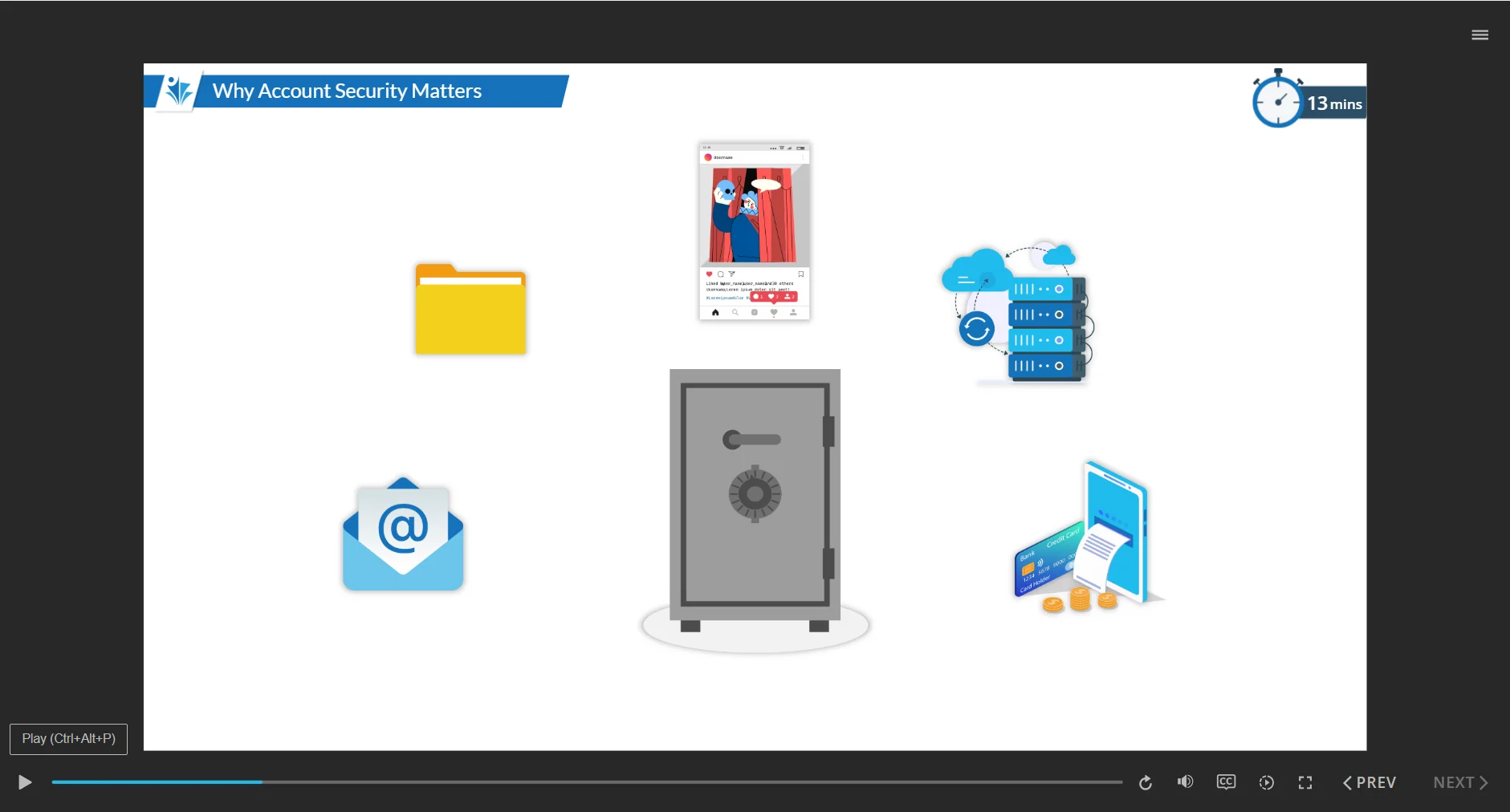
Employees learn why account security matters and how secure authentication practices help reduce the risk of unauthorised access.

Key Topics: Strong Password Creation · Password Security · NIST Guidance · 2FA · MFA Fatigue Attacks

Explore Account Security Training

Data Classification

Handle Sensitive Information Appropriately

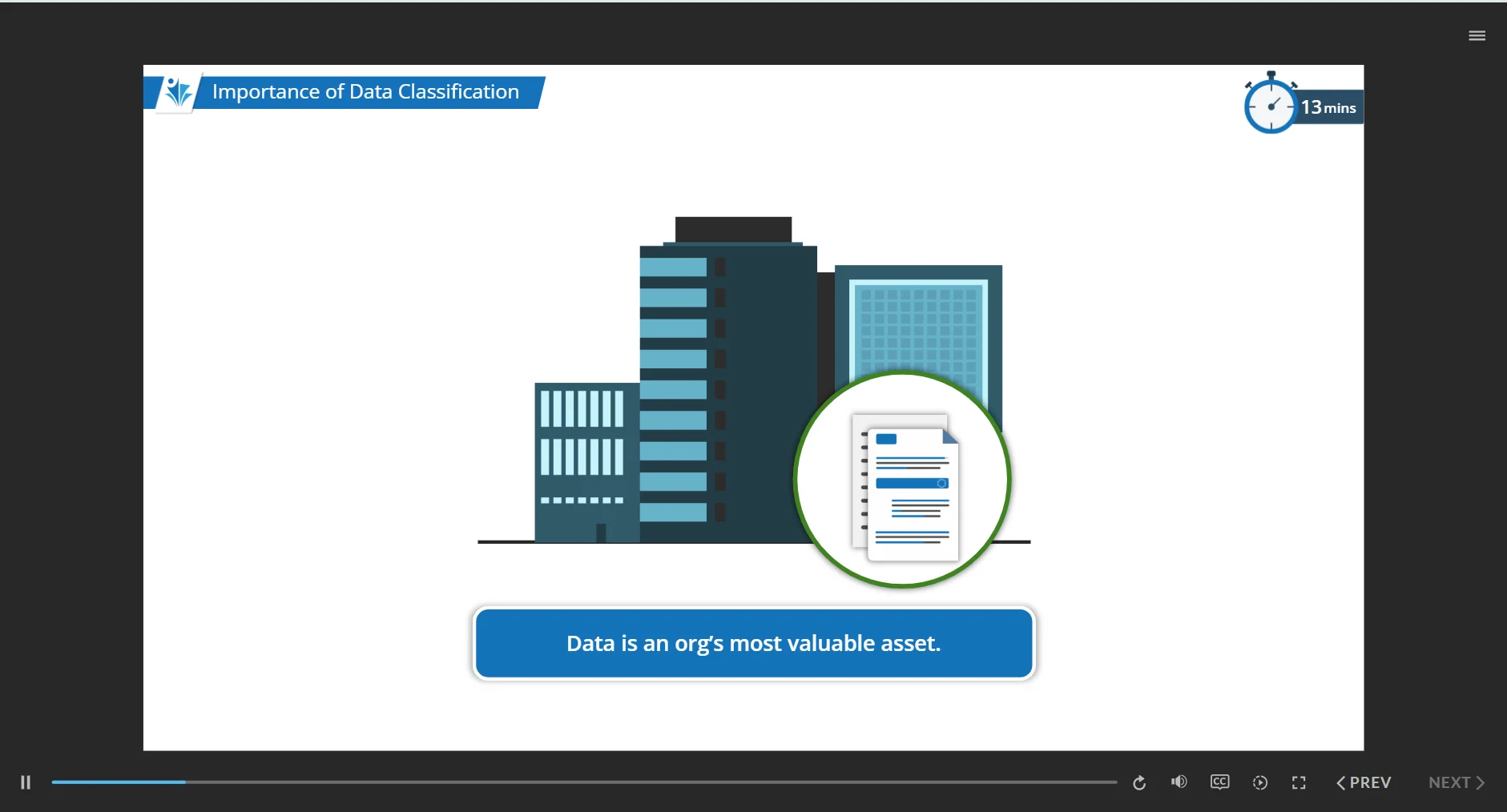
Help employees understand how information is classified and why different types of data require different levels of protection.

Key Topics: Data Classification · Sensitive Information · Secure Handling · Data Sharing · Information Protection

Explore Data Classification Training

Malware

Recognise Malicious Activity Before It Causes Harm

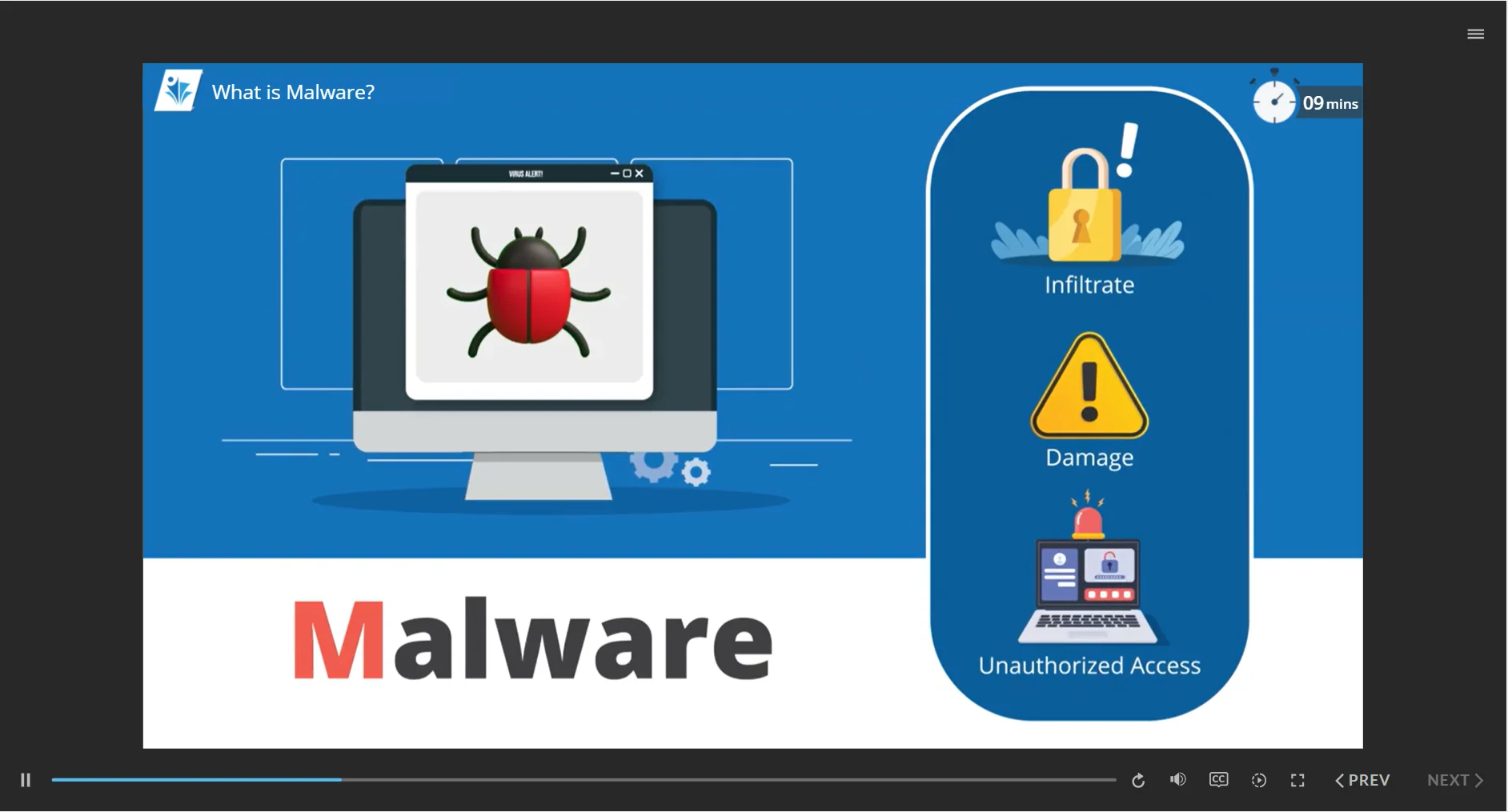
Employees learn how malware can enter organisational environments and the behaviours that can reduce exposure.

Key Topics: Malware · Ransomware · Suspicious Links · Malicious Attachments · Unsafe Downloads

Explore Malware Awareness Training

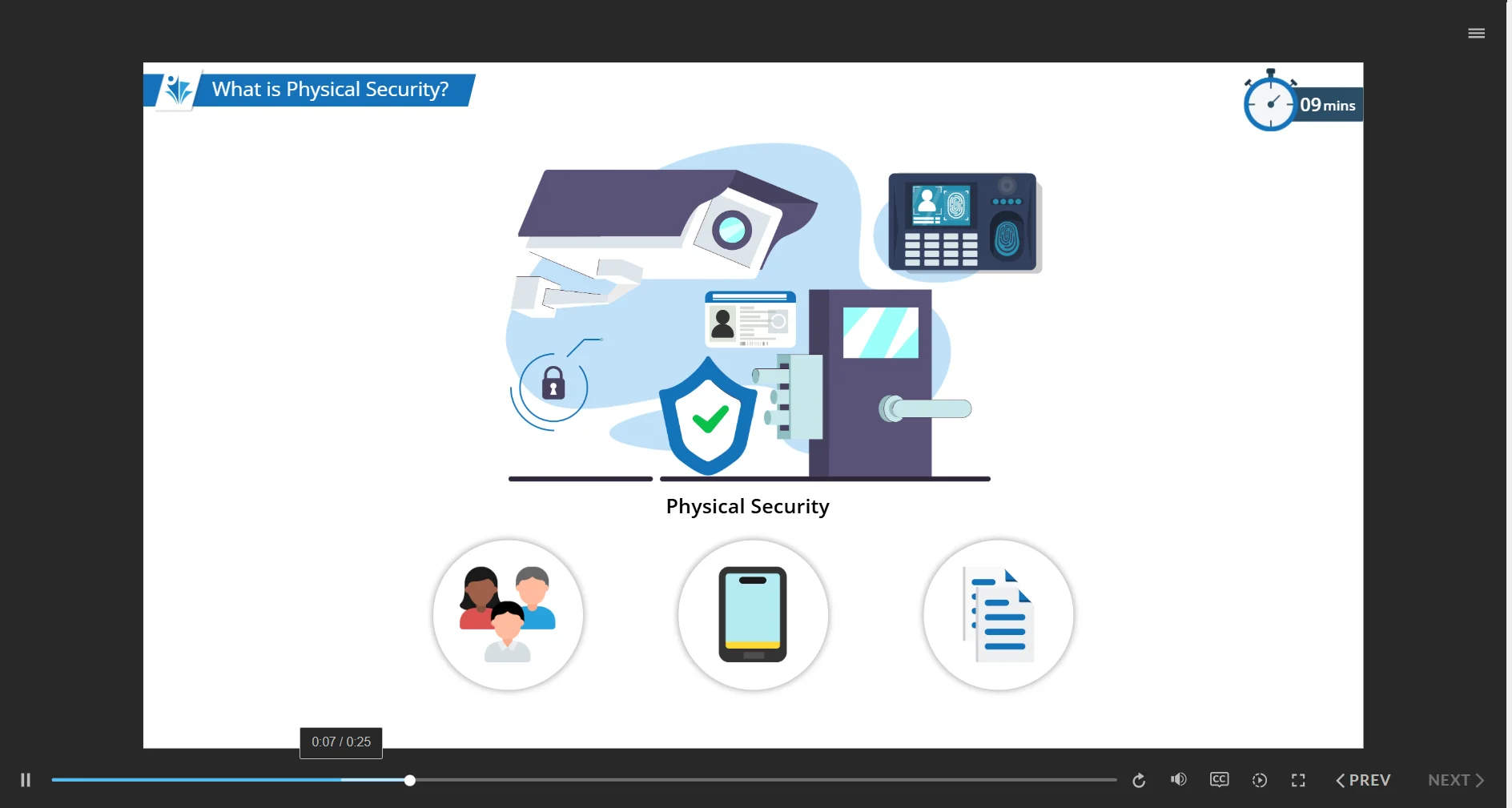
Physical Security

Protect Information Beyond Digital Systems

Information security also depends on controlling physical access to devices, documents, workspaces and facilities.

Key Topics: Physical Access · Tailgating · Device Security · Clean Desk Practices · Visitor Awareness

Explore Physical Security Training

Remote Work Security

Stay Security-Aware Outside the Office

Employees learn safer behaviours for accessing organisational systems and information from remote and hybrid working environments.

Key Topics: Remote Working · Wi-Fi Security · Secure Access · Device Protection · Working Outside the Office

Explore Remote Work Security Training

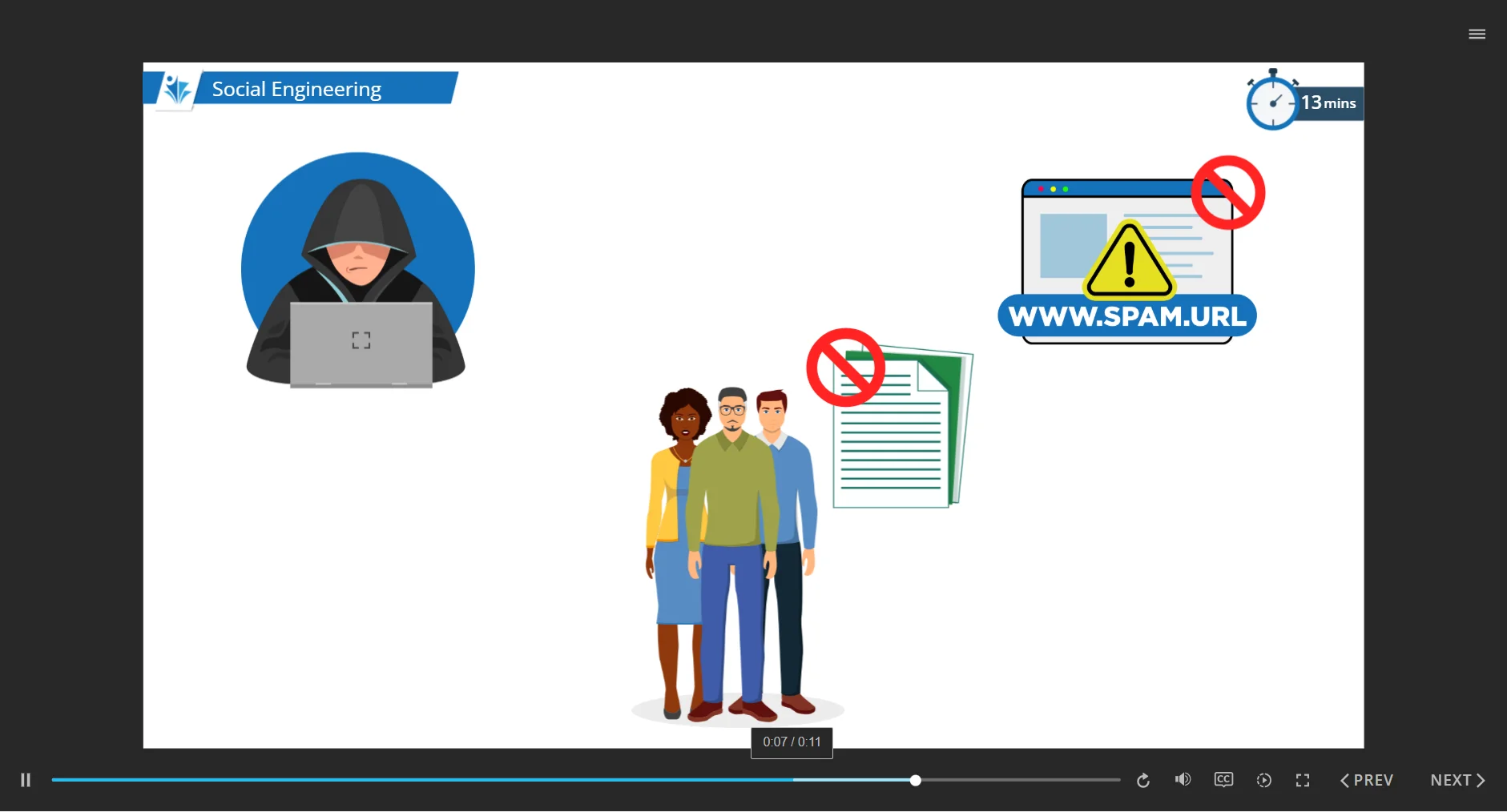
Social Engineering

Recognise When Attackers Target People

Help employees identify manipulation, urgency, impersonation and phishing techniques used to influence employee behaviour.

Key Topics: Phishing · Smishing · Vishing · Impersonation · Suspicious Requests · Verification

Explore Social Engineering Training

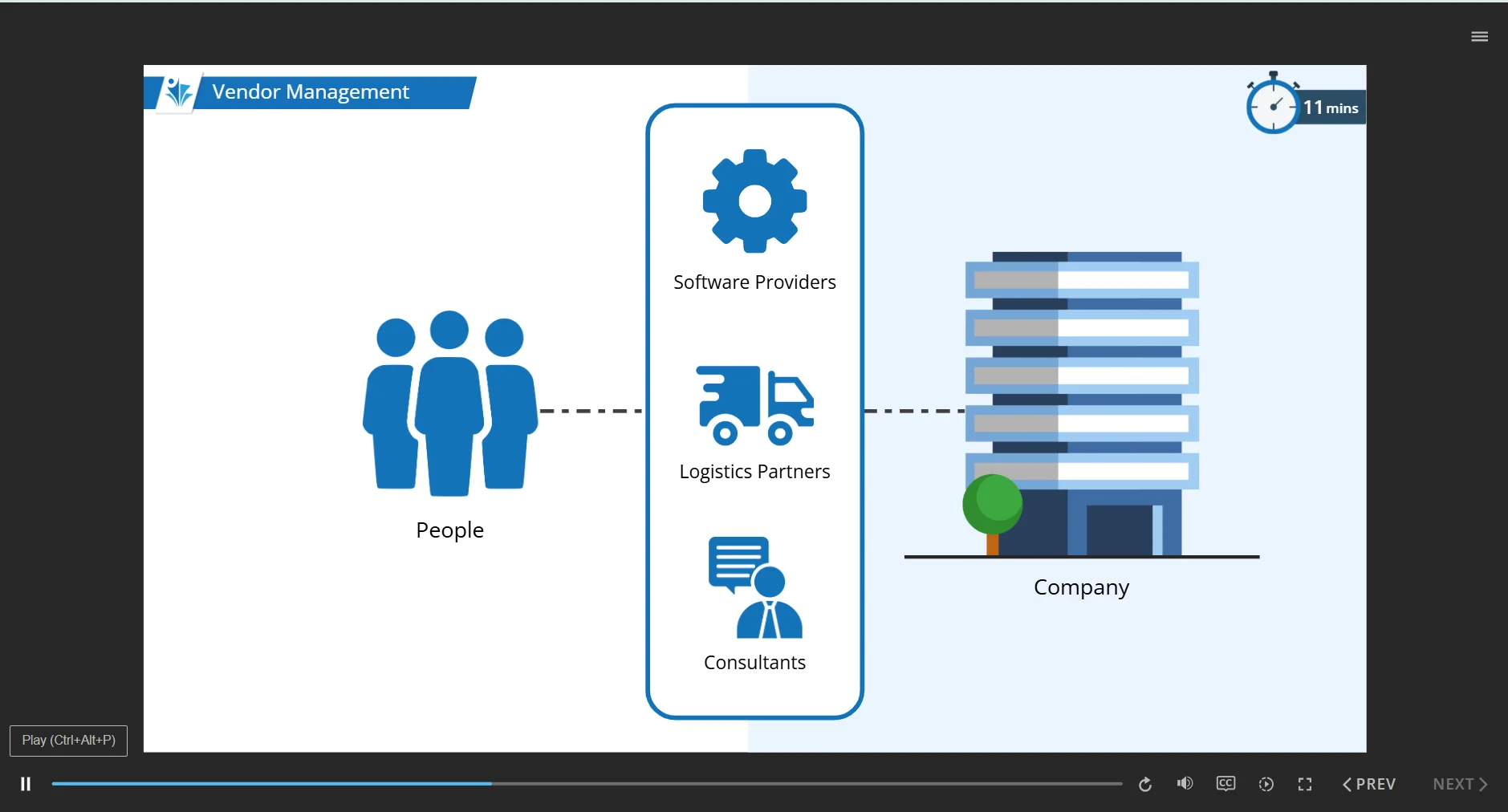
Vendor & Third-Party Risk Management

Understand Security Risks Beyond Your Organisation

Employees learn why third-party relationships can introduce risk and how approved processes, secure information sharing and appropriate escalation help protect organisational information.

Key Topics: Vendor Risk · Third-Party Security · Secure Data Sharing · Approved Vendors · Escalation

Explore Third-Party Risk Training

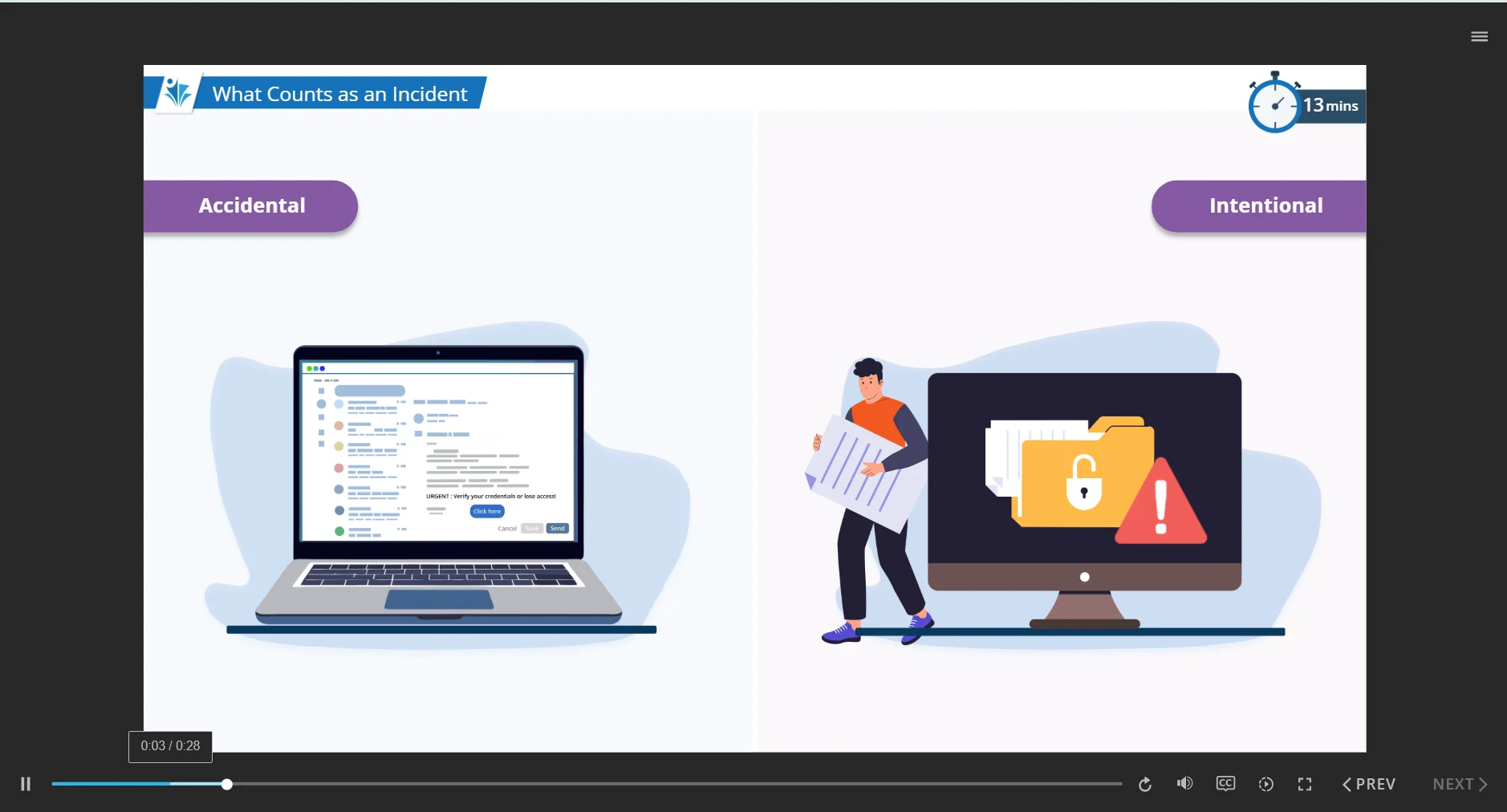
Incident Reporting

Recognise It. Report It. Respond Faster.

Employees learn how to identify suspicious activity and why timely reporting through approved organisational channels matters.

Key Topics: Security Incidents · Warning Signs · Reporting · Escalation · Employee Responsibilities

Explore Incident Reporting Training

Insider Threat

Recognise Security Risks From Within

Help employees understand how malicious actions, negligence and compromised accounts can create insider risk.

Key Topics: Malicious Insiders · Negligent Behaviour · Compromised Accounts · Warning Signs · Reporting

Explore Insider Threat Training
Optional Module Library

Additional Emerging-Risk Awareness

Optional Add-On

AI-Based Attacks

AI-enabled threats such as deepfakes, voice impersonation and increasingly convincing phishing can create additional human-layer risk.

Although SOC 2 does not prescribe AI-awareness training as a standalone requirement, AI-Based Attack Awareness is available within the broader S-Aware library for organisations that want to address emerging cybersecurity risks.

Explore AI-Based Attack Awareness
Control Environment Context

How These Modules Relate to SOC 2

SOC 2 does not prescribe a universal list of mandatory employee security-awareness topics.

The appropriate controls for a SOC 2 engagement depend on the organisation’s system, risks, policies and applicable Trust Services Criteria. The AICPA’s Trust Services Criteria are used to evaluate controls relevant to Security, Availability, Processing Integrity, Confidentiality and Privacy; they are not a predefined employee training syllabus.

The modules on this page have therefore been selected based on their relevance to employee security behaviours and organisational control objectives.

Security Programme Alignment

How the Training Supports SOC 2 Security Objectives

How security awareness modules support SOC 2 security programme objectives
Security Awareness Area Relevant Module Topics How It Supports the Security Programme
Account & Access Security Account Security Reinforces secure authentication, credential protection and access behaviours
Information Protection Data Classification Helps employees understand how sensitive information should be handled and protected
Threat Awareness Malware Builds awareness around malicious software, suspicious files and unsafe digital behaviour
Physical Protection Physical Security Reinforces secure behaviour around physical access, devices and workplace information
Distributed Workforce Security Remote Work Security Addresses security risks associated with accessing organisational systems outside controlled environments
Human-Layer Threats Social Engineering Helps employees recognise phishing, manipulation and impersonation attempts
Third-Party Security Vendor & Third-Party Risk Management Reinforces secure employee behaviour when interacting with vendors and external parties
Security Event Awareness Incident Reporting Helps employees recognise and escalate suspicious activity
Internal Security Risk Insider Threat Builds awareness around malicious, negligent and compromised insider behaviour
Learning Experience

Designed Based on Practical, Everyday Security Awareness Situations

Learning elements

Focused Learning Modules

Individual modules address specific areas of information security, allowing employees to build knowledge across the risks most relevant to their work.

Scenario-Based Learning

Workplace situations help employees connect information security principles with decisions they may encounter in practice.

Knowledge Checks

Interactive questions reinforce important concepts and help learners check their understanding.

Final Assessment

A final assessment helps evaluate learner understanding after completion of the assigned training.

Flexible Online Learning

Training can be accessed digitally across supported devices for office-based, remote and hybrid workforces.

Format & accessibility

Fully responsive interface across desktop, tablet, and mobile — complete with a learner dashboard, progress tracking, automated reminder prompts, and seamless integration with your existing LMS or HR systems.

Certificate

Upon successful completion, you receive a CPD certificate valid as proof of training.

Course Screenshots

See the Training in Action

Practical Security Awareness for Everyday Workplace Risks

Information security becomes easier to understand when employees can see how threats and secure behaviors appear in realistic situations.

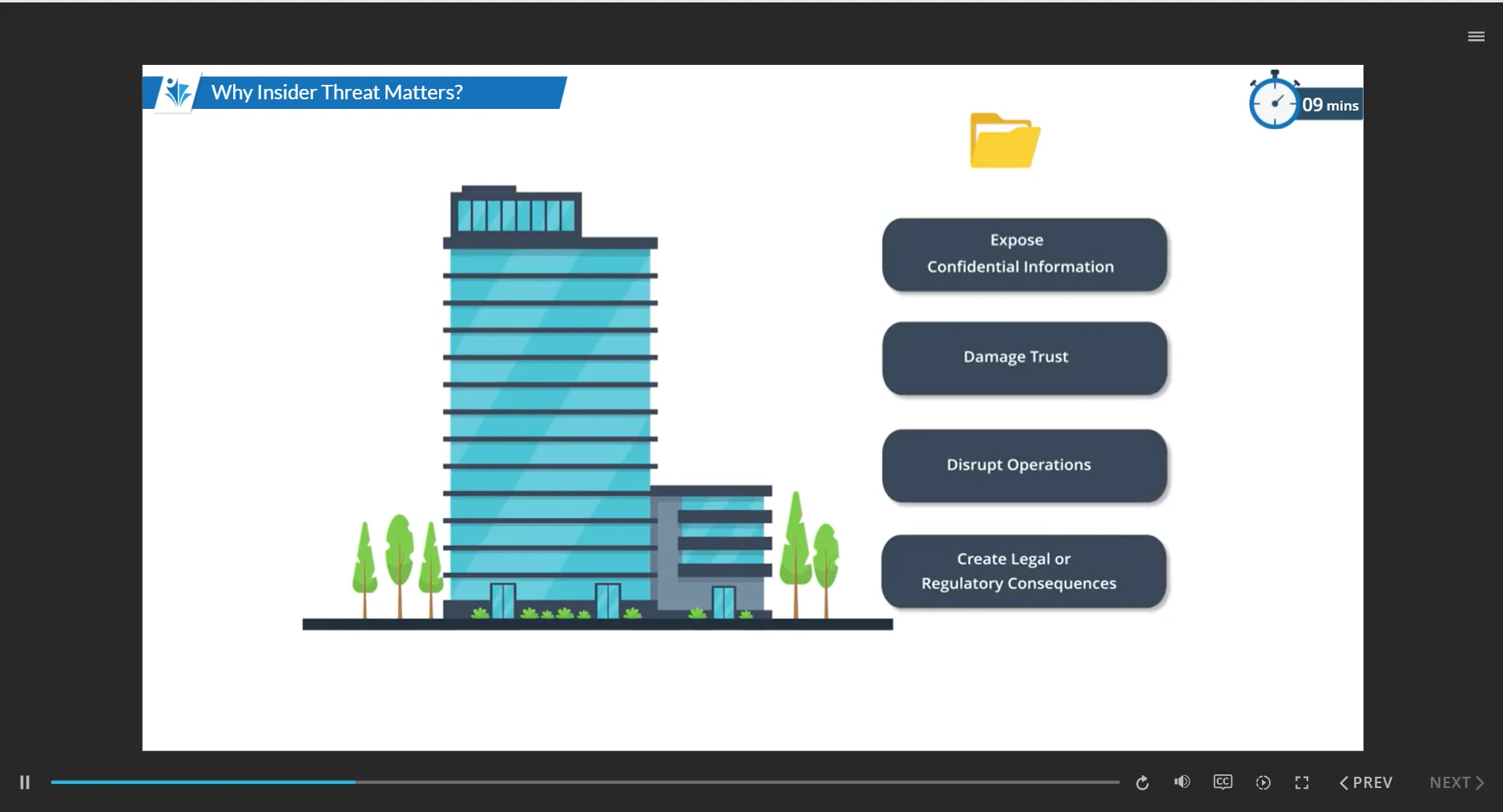
Throughout the programme, learners encounter visual explanations, practical examples and interactive learning across account security, sensitive data handling, malware, physical security, remote working, social engineering, third-party risks, insider threats and incident reporting.

Knowledge checks help employees apply security concepts to everyday workplace decisions rather than simply memorising cybersecurity terminology.

Request a Demo

SOC 2 security awareness course screenshot 1
SOC 2 security awareness course screenshot 2
SOC 2 security awareness course screenshot 3
SOC 2 security awareness course screenshot 4
SOC 2 security awareness course screenshot 5
SOC 2 security awareness course screenshot 6
SOC 2 security awareness course screenshot 7
SOC 2 security awareness course screenshot 8
SOC 2 security awareness course screenshot 9
1 / 9
Why SucceedLEARN

Why Choose Information Security Awareness Training for SOC 2?

Support Your SOC 2 Readiness Programme

Build employee awareness around security risks and behaviors that may support controls within the organization's SOC 2 environment.

Strengthen Account and Access Behavior

Reinforce password, authentication and credential-protection practices among employees.

Protect Sensitive Information

Help employees understand information classification and secure handling matters are important.

Reduce Human-Layer Cyber Risk

Build awareness around phishing, social engineering, malware and insider threats.

Strengthen Third-Party Security Awareness

Help employees understand the security implications of working with vendors and external service providers.

Encourage Faster Incident Reporting

Give employees greater confidence to recognise and report suspicious activity.

Maintain Evidence of Awareness Activity

Training completion and assessment records can form part of an organisation’s evidence that employee awareness activities have taken place. The specific evidence needed for a SOC 2 examination depends on the organisation’s controls and the auditor’s procedures.

Who It’s For

Who Should Take SOC 2 Security Awareness Training?

The programme is suitable for employees and other users who interact with organizational systems, information, or services that form part of the organization's security environment.

Employees Across the Organization

Build foundational information security awareness among users who access organizational systems and data.

New Joiners

Introduce security responsibilities and expected behaviors during onboarding.

Remote & Hybrid Employees

Address risks associated with accessing organizational resources outside controlled office environments.

Employees Handling Sensitive Data

Reinforce secure classification, handling and sharing of sensitive organizational information.

Employees Working with Vendors

Build awareness around third-party relationships and secure information sharing.

Managers & People Leaders

Help leaders understand the security behaviors expected within their teams.

Contractors & Relevant Third Parties

Extend appropriate awareness to other users with access to organizational systems or information where applicable.

FAQ

Frequently Asked Questions

Answers to common questions about SucceedLEARN’s Information Security Awareness Training for SOC 2 Compliance.

Request a Demo
What is SOC 2 security awareness training?

SOC 2 security awareness training refers to employee information security training designed to reinforce behaviors relevant to an organization's security control environment and SOC 2 readiness programme.

Does SOC 2 require employee security awareness training?

SOC 2 evaluates controls relevant to the applicable Trust Services Criteria. Organisations commonly include employee security awareness activities within their control environment, but the specific training needed depends on the organization's systems, risks, policies and controls.

Does SOC 2 specify mandatory cybersecurity training topics?

No. SOC 2 does not prescribe one universal employee-training syllabus. Training topics should reflect the organization's security risks, responsibilities, systems and control environment.

Which security awareness topics are covered in SucceedLEARN’s SOC 2-focused training?

The core programme includes Account Security, Data Classification, Malware, Physical Security, Remote Work Security, Social Engineering, Vendor and Third-Party Risk Management, Incident Reporting and Insider Threat.

Is phishing awareness relevant to SOC 2?

Yes, phishing and social engineering can be relevant to an organization's security-awareness programme because they can compromise accounts, systems and information. The degree of relevance depends on the organization's particular control environment.

Is data classification training relevant to SOC 2?

It can be particularly relevant where employees handle sensitive or confidential information and organizational controls require that data be identified, handled or shared appropriately.

Is third-party risk awareness relevant to SOC 2?

Yes. Third-party relationships can affect an organization's security environment, and employee awareness can support secure interaction with vendors and service providers.

Is AI-based attack awareness required for SOC 2?

SOC 2 does not prescribe a standalone AI-awareness requirement. SucceedLEARN offers AI-Based Attack Awareness as an additional module for organizations that want to address emerging AI-enabled cyber risks.

Can training completion support a SOC 2 audit?

Training records can help demonstrate that awareness activities were performed. However, the evidence required in a SOC 2 examination depends on the organization's controls and the procedures performed by the service auditor.

Does completing the training make an organization SOC 2 compliant?

No. Information security awareness training can support a wider SOC 2 readiness programme, but completing a course alone does not establish SOC 2 compliance or result in a SOC 2 report.

Request a Demo

Strengthen Employee Security Awareness as Part of Your SOC 2 Programme

Help employees recognise cyber risks, protect sensitive information and follow secure behaviours that support your organisation’s wider security control environment.

Relevant security awareness. Practical employee learning. Stronger security behaviour.

Request a Demo

This site is protected by reCAPTCHA.