- Visually engaging animated explainers
- Short, structured micro-learning modules break GDPR requirements into focused segments aligned to real workplace data-handling activities.
- Interactive decision-making scenarios while handling sensitive data
- Regulatory and compliance-focused examples reinforce how GDPR obligations apply across day-to-day business operations
- Embedded knowledge checks and quizzes
- Comprehensive final assessment with certification

Learning Objectives
By the end of this course, learners will be able to:
- Explain the importance of privacy and data protection.
- Elaborate the changes in EU Privacy Laws with the announcement of GDPR.
- Distinguish between ‘Personal Data’ and ‘Sensitive Data’.
- List the principles of Data Protection and the Rights of Data Subjects.
- List the Breach notification/Reporting obligations and Penalties.
- State the best practices for transferring and sharing Personal Data.
- Explain the best practices in Data Protection.
Why GDPR Compliance and Data Protection Awareness Training?
Reduces Regulatory and Financial Exposure under GDPR
The training equips employees with a clear understanding of GDPR principles, lawful bases for processing, breach notification duties, and penalties thereby helping organizations avoid regulatory investigations, heavy fines, operational restrictions, and bans arising from non-compliance.
Minimizes Data Breaches Caused by Human Error
The course addresses common real-world risk scenarios such as unsecured desks, unattended printouts, improper data sharing, weak access controls, and social engineering attacks thereby helping employers significantly reduce the most frequent cause of breaches - employee mistakes.
Protects Brand Reputation and Customer Trust
By reinforcing responsible handling of customer, employee, and partner data, the training helps prevent reputational damage that arises when personal information is misused, over-collected, shared unnecessarily, or retained indefinitely.
Clarifies Roles and Responsibilities Across the Organization
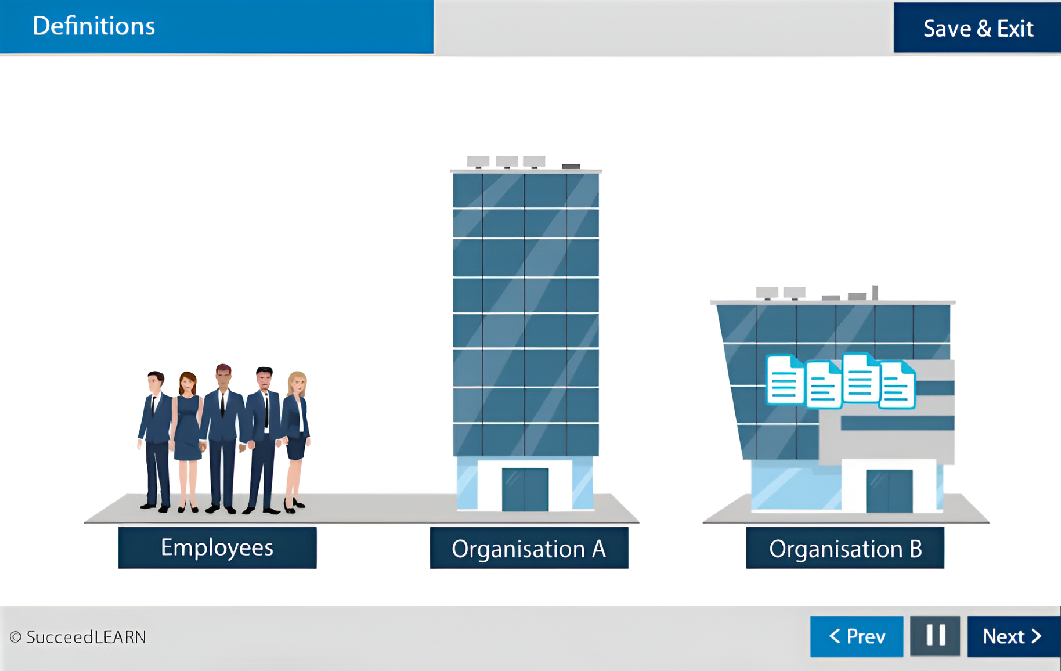
Employees gain clarity on the distinctions between Data Subjects, Data Controllers, and Data Processors, ensuring staff understand accountability boundaries that are particularly critical when working with vendors, payroll providers, analytics firms, or outsourced service partners.
Prevents Over-Collection and Misuse of Personal and Sensitive Data
The training reinforces data minimisation, purpose limitation, and proportionality principles, reducing the risk of collecting irrelevant or sensitive data (e.g., political opinions, health data) without legal justification - an area that frequently triggers GDPR violations.
Reduces Exposure to Social Engineering and Phishing Attacks
By illustrating real-life manipulation scenarios, the training enables employees to verify identities, challenge urgency tactics, and refuse unsafe requests thereby protecting confidential business and personal data from fraud and unauthorized disclosure.
Laws & Regulations Addressed in this Training
| Legislation / Concept | Relevance in the Course |
|---|---|
| GDPR (General Data Protection Regulation) | The course explains GDPR’s core principles, roles (Data Controller/Processor), lawful bases, data subject rights, breach reporting, and secure data handling practices, enabling employees to apply compliant data protection controls in everyday business operations and reduce regulatory risk. |
Course's Screenshots
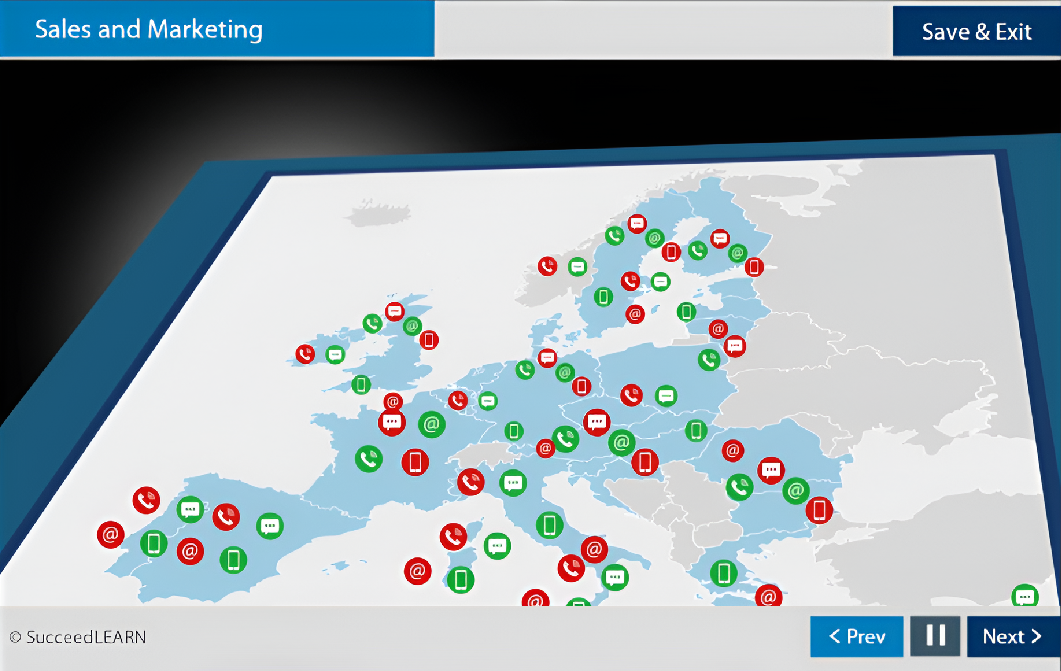
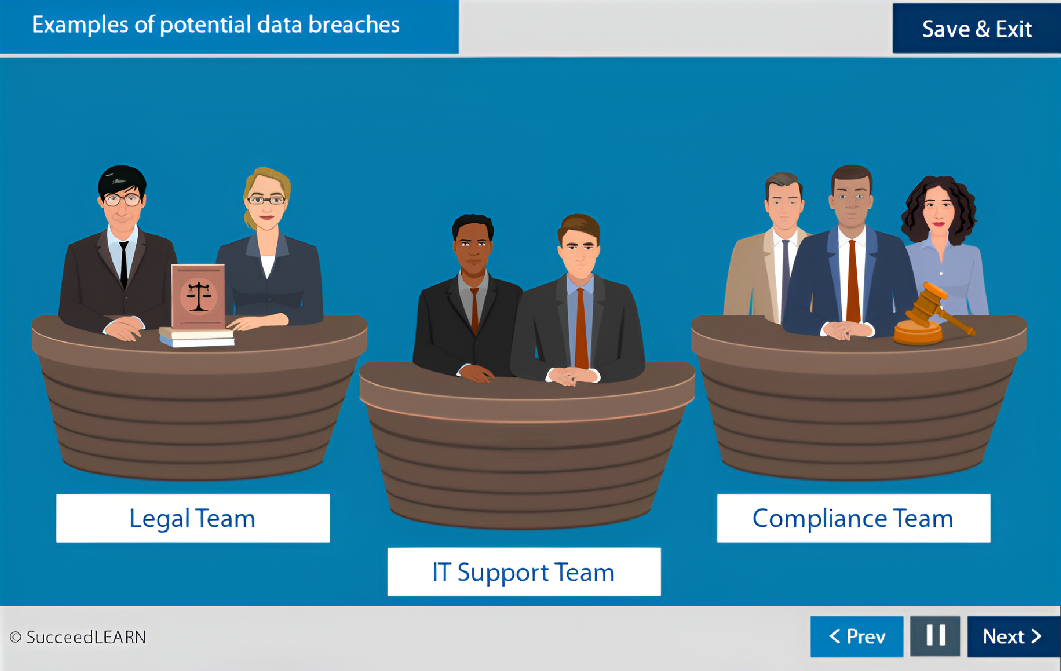

Course Structure
Learning elements
Format & accessibility
Fully responsive interface across desktop, tablet, and mobile -complete with a learner dashboard, progress tracking, automated reminder prompts, and seamless integration with your existing LMS or HR systems.
Certificate
Upon successful completion, you receive a CPD certificate valid as proof of training.
Target Audience
The course is tailored for:
- Employees handling customer, employee, or partner personal data in any form.
- HR teams involved in recruitment, onboarding, payroll, and employee records.
- Marketing and Sales teams collecting, using, or sharing personal data for campaigns and analytics.
- Customer support and operations staff accessing or processing customer information.
- IT and information security teams responsible for data storage, access control, and secure disposal.
- Managers and team leads overseeing data handling, approvals, and third-party interactions.
- Third party-facing roles working with vendors, processors, or outsourced service providers.
Case Studies: Real Consequences of Non-Compliance
While the General Data Protection Regulation (GDPR) does not prescribe a specific training format or frequency, providing documented GDPR awareness training is a de-facto requirement to meet legal obligations, defend against enforcement action, and demonstrate reasonable compliance efforts.
Below are real, GDPR enforcement cases where organizations faced severe financial penalties for violations highlighting the need for compliance:
- Meta Platforms (Ireland/EU, 2023)
Penalized €1.2 billion for unlawful cross-border data transfers of EU user data to the US without sufficient safeguards, reinforcing the importance of compliant international data transfer mechanisms. - Amazon (Luxembourg, 2021)
Fined €746 million for unlawful processing of personal data for targeted advertising without a valid legal basis and inadequate consent mechanisms. The case highlights failures in lawful processing and transparency obligations.
Course Outline
Definitions:
- Data Subject
- Data Controller
- Data Processor
GDPR Overview
- Geographical Scope
- Responsibility Scope
- Fines and Penalties
- One Stop Shop
Personal Data and Special Categories of Data
Data type
Data Protection Principles
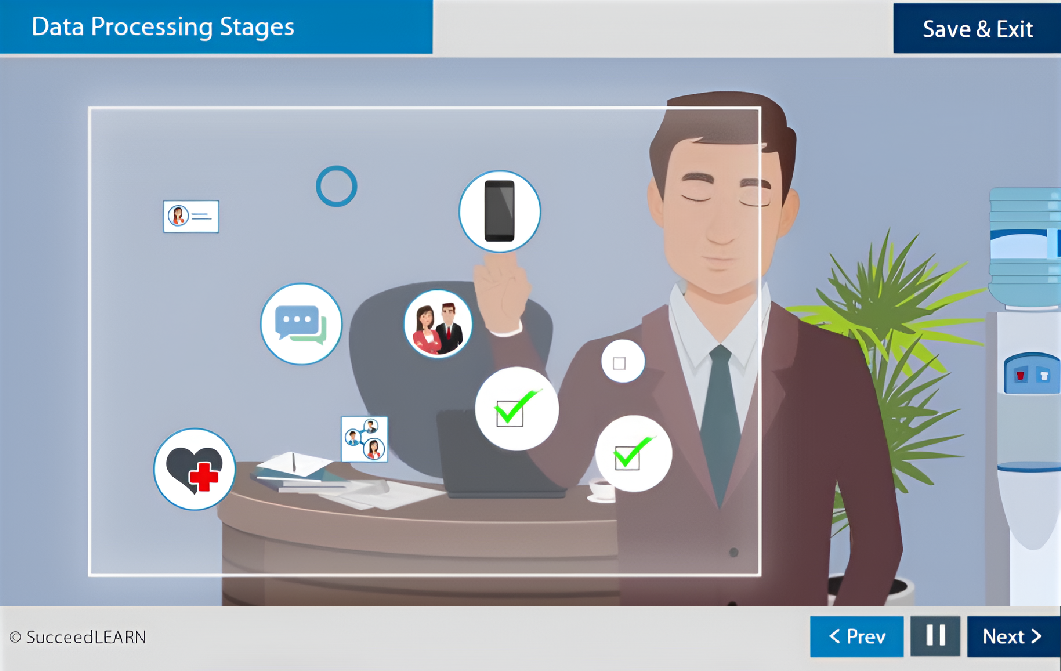
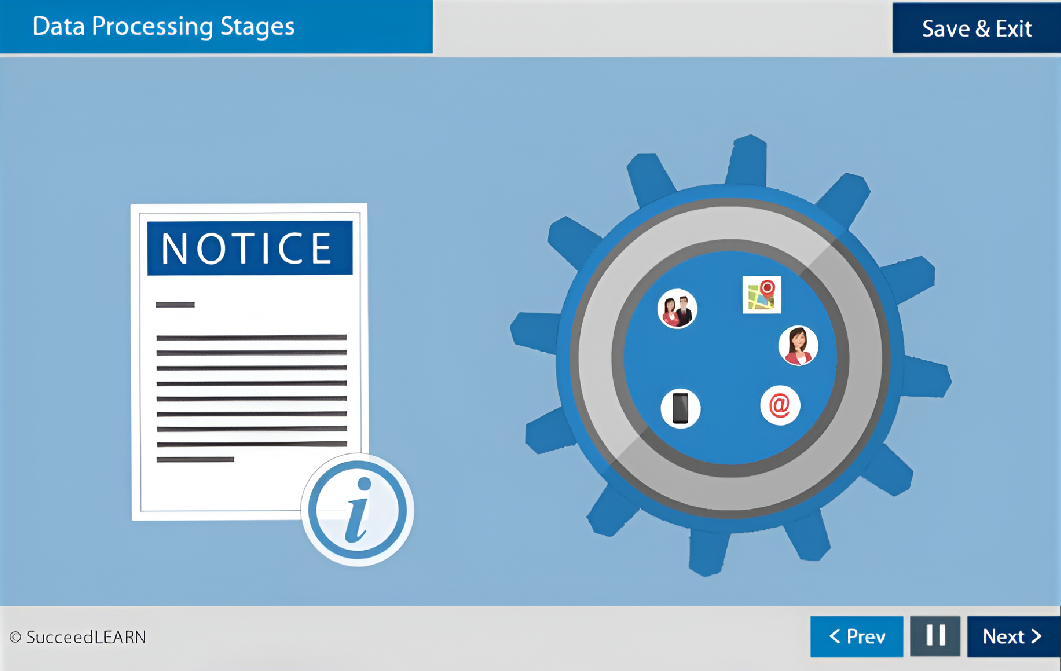
Data Processing Stages
- Collecting
- Storing/Processing
- Sharing
- Destroying
Right of Data Subjects
Data Protection Obligations and Reporting Violations
Sales and Marketing
Examples of potential Data Breaches
See how Succeed will work for your Organization

FAQs
The General Data Protection Regulation (GDPR) is the European Union’s comprehensive privacy law that governs how organisations worldwide collect, use, store, and protect the personal data of individuals in the EU/EEA, grants individuals strong rights over their data, and allows regulators to impose fines of up to €20 million or 4% of global annual turnover (whichever is higher) for non-compliance.
GDPR awareness training helps employees understand how to lawfully collect, store, share, and dispose of personal data, reducing the risk of data breaches, regulatory penalties, and reputational damage caused by human error.
No. GDPR applies to all personal data relating to identifiable individuals, including employee, candidate, contractor, vendor, and partner data, all of which are covered through the course’s scenarios.
GDPR significantly strengthened the earlier Data Protection Directive by introducing new rights for individuals and imposing stricter obligations on organisations. Key changes include the addition of new data subject rights, such as
- The Right to Erasure
- The Right to Data Portability and
- The Right to Restrict Processing
GDPR also expanded Data Controller obligations, including the requirement to notify third parties when personal data is rectified or erased, the introduction of a clear one-month time limit for responding to data subject access requests, and enhanced rules on international data transfers, which now apply to both Controllers and Processors. Notably, GDPR removed the requirement to notify supervisory authorities when using Standard Contractual Clauses, streamlining lawful cross-border data transfers while maintaining accountability.
While senior management and Data Controllers hold ultimate accountability, GDPR compliance is a shared responsibility. Every employee handling personal data plays a role in protecting it.
Special categories of data such as health information, biometric data, political opinions, and religious beliefs require enhanced protection and explicit consent, which the course clearly explains through examples.
The training addresses common risk situations such as unsecured desks, unattended printouts, improper email sharing, weak access controls, and social engineering attempts that are key causes of GDPR violations.
Organisations must ensure that processors comply with GDPR requirements and that appropriate safeguards are in place. The course clarifies controller–processor roles and data-sharing responsibilities.
Employees learn how to recognise requests for access, correction, or erasure and understand the need to escalate them promptly to meet statutory response timelines.
No. GDPR requires organisations to retain personal data only for as long as necessary for lawful and stated purposes. The course reinforces secure and compliant data disposal practices.
Documented employee training demonstrates organisational accountability and due diligence, which regulators expect as part of baseline GDPR compliance controls.
A privacy-first culture means employees treat the protection of personal data as a shared, everyday responsibility rather than a task limited to legal or IT teams. This course builds that culture by embedding GDPR principles into realistic workplace scenarios, helping staff across all departments consistently make compliant decisions when collecting, using, sharing, and storing personal data.
The delivery is fully flexible. If you have an in-house LMS, we can provide the course as a SCORM-compliant package. If not, we offer a seamless SaaS-based hosting option for easy access and deployment.