- Animated Videos
- Short slides with narrated text
- Frequent knowledge checks & quizzes
- Final assessment & certificate generation
Learning Objectives
By the end of this course, learners will be able to:
- Define trade compliance, sanctions, and embargoes.
- Differentiate between types of trade sanctions and their impacts.
- Apply CDD screening processes to assess trade partners.
- State the risks of non-compliance in global trade.
Why Trade Compliance & Sanctions eLearning Training?
Tackle a growing global risk
With tighter international sanctions and expanding enforcement under different global laws, even unintentional breaches can trigger investigations, heavy fines, and reputational harm.
Safeguard your firm
Protecting your firm goes beyond rules, it’s about awareness, action, and accountability. Proper training reduces costly errors and protects both credibility and business continuity.
Gain practical, job-ready skills
Apply what you learn immediately through quick decision points, and interactive activities.
Earn client confidence and build brand trust
Go beyond compliance checkboxes. Show partners and regulators that your business operates ethically, transparently, and globally.
Advance your career with recognized credentials
Completing this CPD-certified program validates your professional credibility and positions you as a trusted compliance leader.
Turn compliance into a competitive edge
Companies that understand and apply trade rules effectively don’t just stay safe; they move faster, win trust, and grow globally.
Laws & Regulations Addressed in This Course
| Legislation / Concept | Relevance in the Course |
|---|---|
U.S.
|
Covers U.S. trade and economic sanctions. Learners explore screening practices and understand how OFAC restrictions impact global transactions. |
| UN Resolutions | Explains how UN Security Council Resolutions establish global sanctions frameworks that member states must enforce. |
| EU Sanctions | Highlights how EU-wide sanctions are coordinated under Common Foreign and Security Policy (CFSP), influencing trade, finance, and export controls across member nations. |
| UK Regulations | The course introduces the UK’s independent sanctions regime, focusing on compliance requirements under three core acts: TAFA (Terrorist Asset-Freezing etc. Act 2010), CTA (Counter-Terrorism Act 2008), and ATCSA (Anti-Terrorism, Crime and Security Act 2001). Learners understand how these laws empower the UK to freeze assets, restrict trade, and counter terrorism financing. |
Course's Screenshots
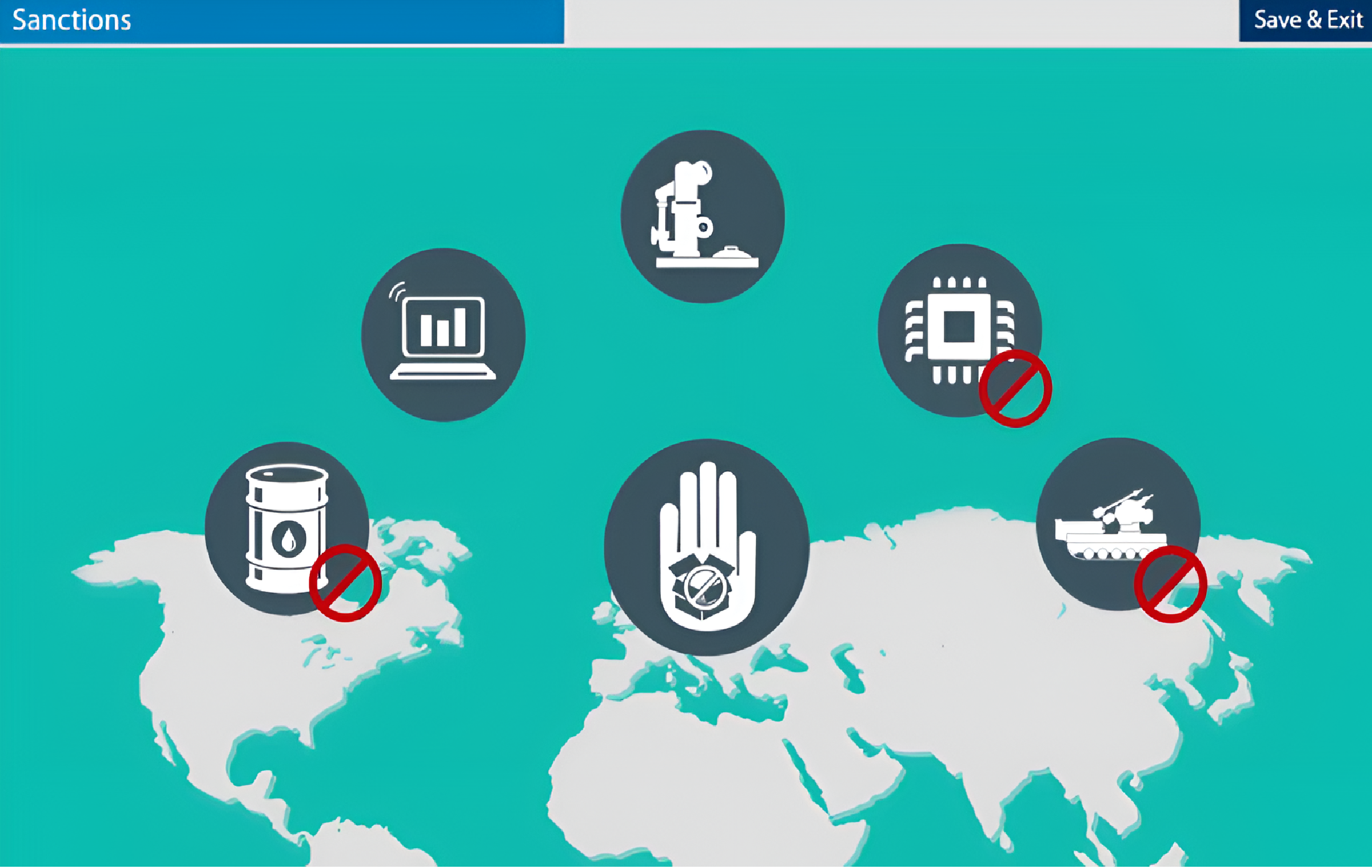
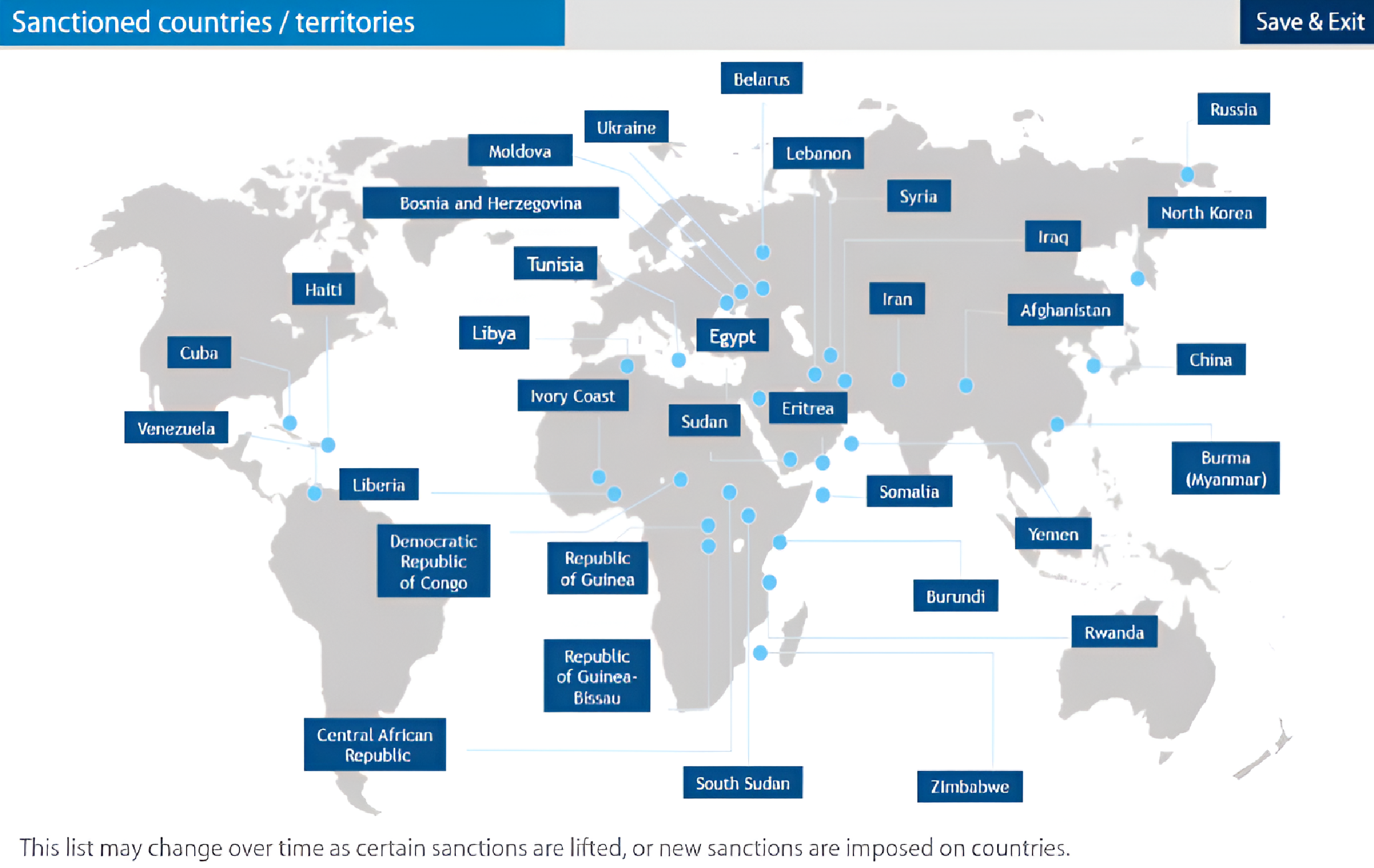
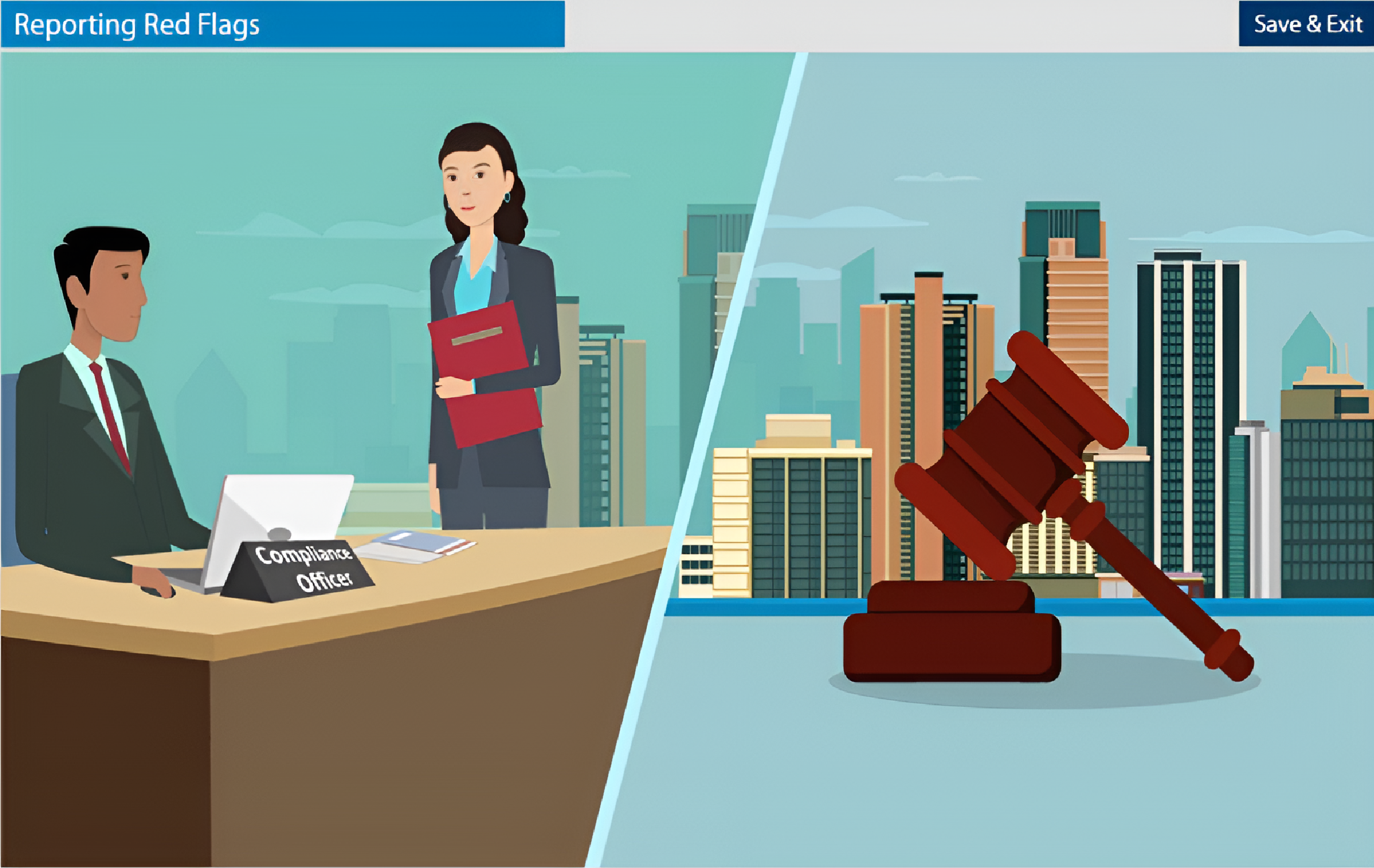
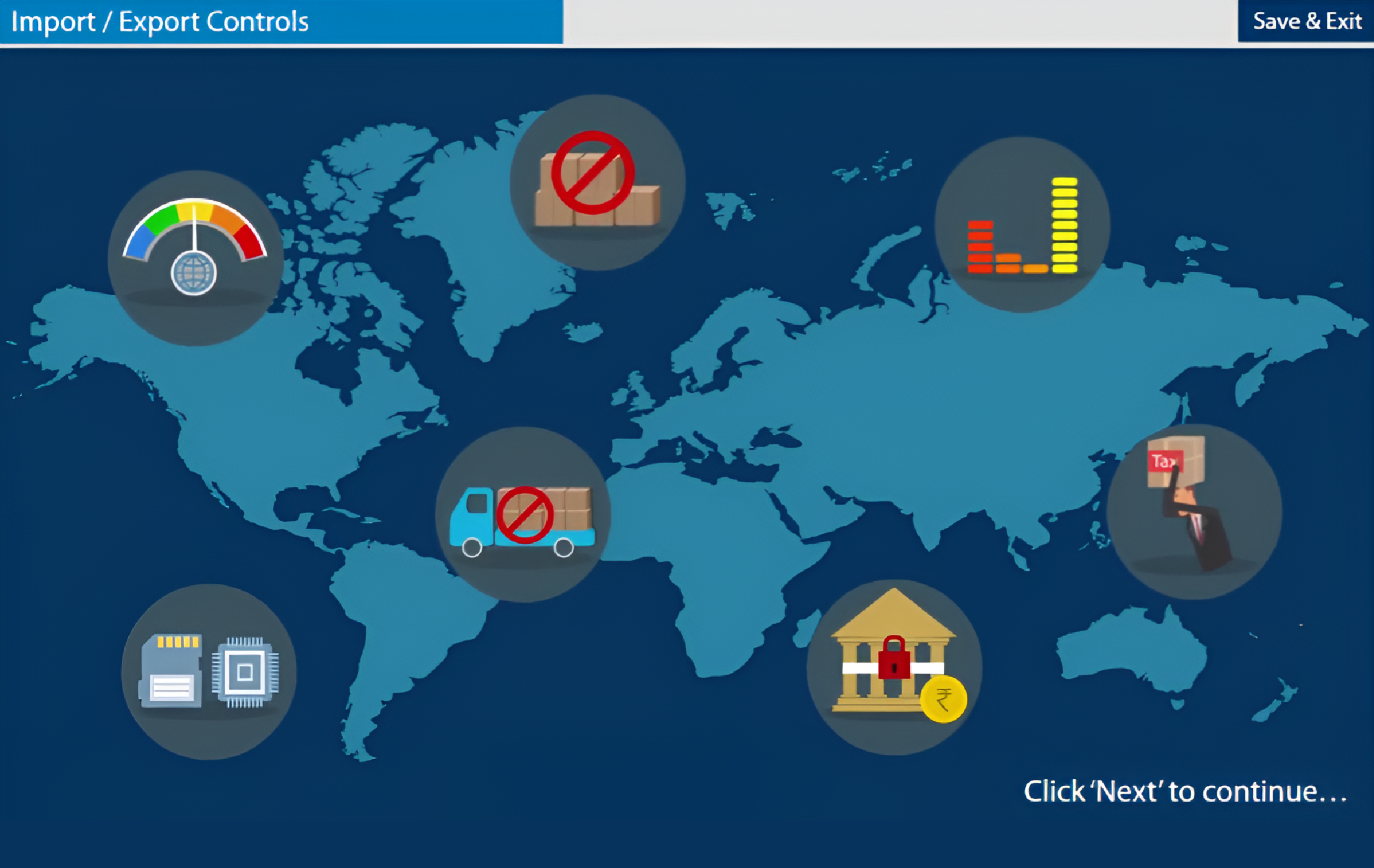
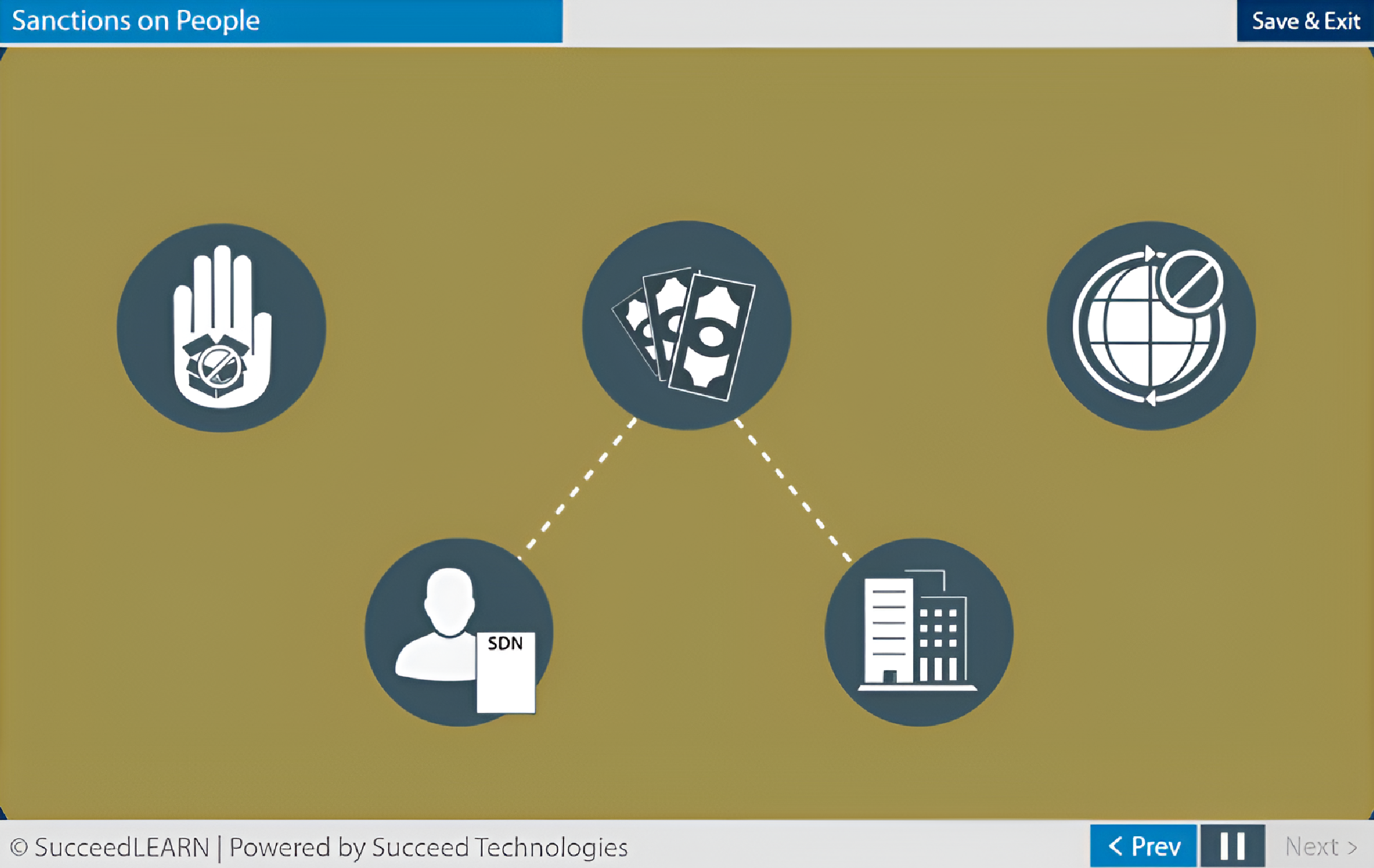
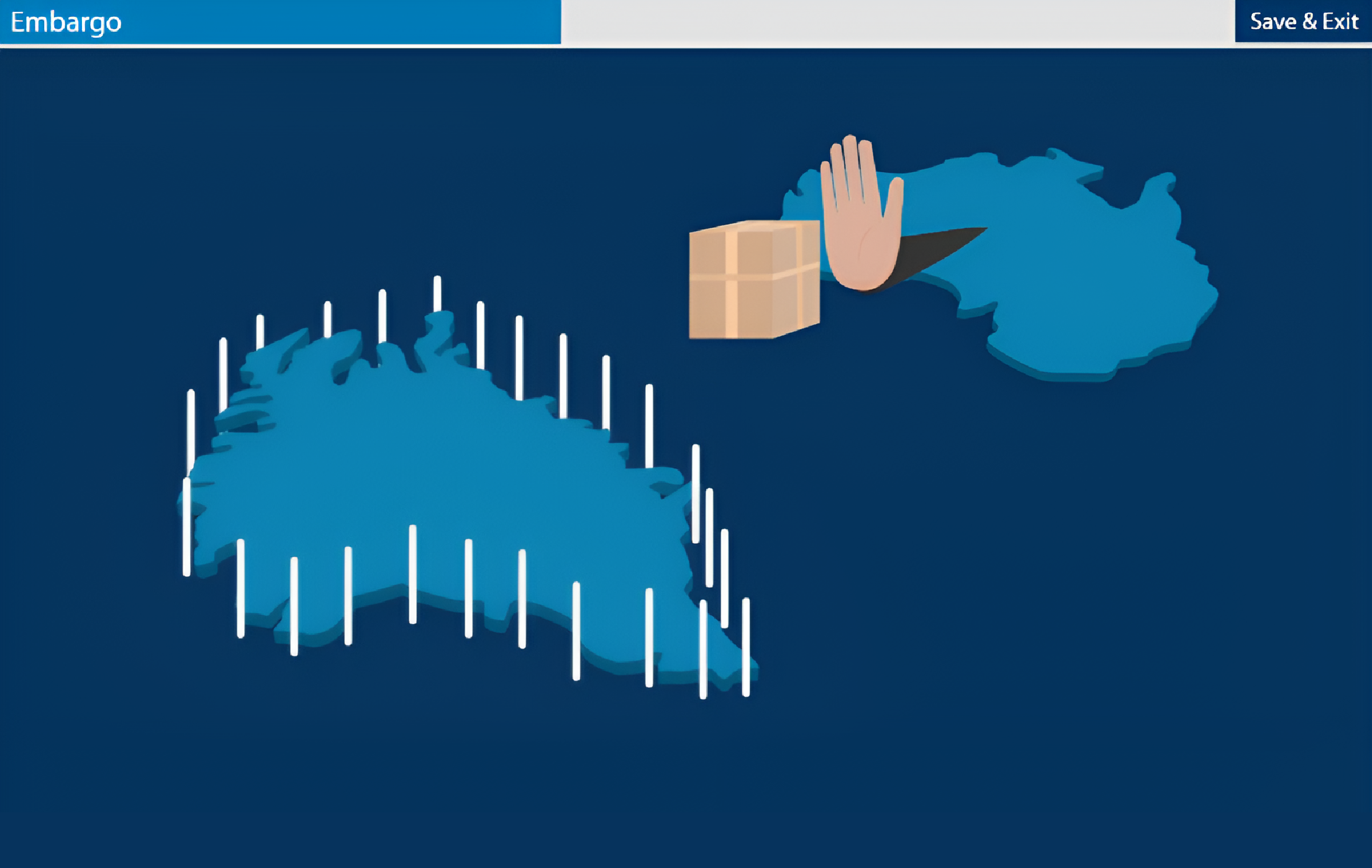

Course Structure
Learning elements
Format & accessibility
Fully responsive interface across desktop, tablet, and mobile -complete with a learner dashboard, progress tracking, automated reminder prompts, and seamless integration with your existing LMS or HR systems.
Certificate
Upon successful completion, you receive a CPD certificate valid as proof of training.
Target Audience
Trade compliance is no longer confined to legal teams; it’s a shared responsibility across departments that touch international trade, finance, or client relationships. This course is designed for professionals who play a direct or indirect role in ensuring compliance with global sanctions, screening, and cross-border regulations.
- Teams in compliance, risk, finance, and legal functions.
- Import-export, procurement, and logistics professionals.
- Treasury and operations staff handling international transactions.
- Client relationships and business development managers.
- Advisors and consultants supporting multinational trade or sanction compliance.
- Sales and support teams who often engage with clients from regions under sanctions.
What if you don’t comply?
Every firm is accountable for its actions under global trade laws. Failing to train employees or maintain effective compliance procedures doesn’t just invite penalties; it can also expose companies to:
- Asset freezes and blocked transactions across jurisdictions.
- Suspension of export or trading license.
- Criminal prosecution for serious or deliberate breach.
- Regulatory investigations and increased scrutiny from authorities.
Real Case of costly penalty:
BNP Paribas - one of the largest sanctions penalties ever
BNP Paribas faced one of the largest sanctions penalties in history when, in 2014, US authorities fined the bank approximately $8.9 billion for processing billions of dollars in transactions on behalf of sanctioned countries including Sudan, Iran, and Cuba.
The case became a landmark example of how inadequate sanctions training, weak internal controls, and failure to embed a strong speak-up culture can lead to criminal liability, reputational damage, and multi-billion-dollar penalties.
Course Outline
Definitions
- What are the sanctions and embargoes?
- How embargoes differ from sanctions and when they’re applied.
- The purpose behind these measures.
- A quick knowledge check
What is a sanction regime?
- Overview
- Who imposes a sanction regime?
- Detailed legal frameworks and authorities behind each regime.
- Common type of trade sanction mechanisms.
Sanctions: Know your transactions
- Sanctions in Practice: People, Countries & Finance
- Sanctions Through Trade and Export Controls
- Embargoes as Tools of Trade Control
Red Flags
- How to Spot Red Flags?
- How to Conduct CDD?
- Reporting Red Flags
- List of Sanctioned Countries
Consequences of non-compliance
- What Are the Consequences
- Guidelines to Comply
See how Succeed will work for your Organization

Request a Demo
FAQs
Trade compliance refers to following international laws, regulations, and company policies that govern cross-border trade. It ensures goods, services, and financial transactions are conducted legally, ethically, and without violating sanctions or embargoes.
Trade compliance helps businesses avoid legal penalties, financial losses, and reputational damage. It also builds trust with regulators, partners, and customers while enabling smoother global operations.
Sanctions are targeted restrictions imposed on individuals, companies, or countries (e.g., asset freezes or travel bans). An embargo is a broader prohibition on trade with a specific country, usually covering goods, services, or technology.
Sanctions can include tariffs, non-tariff barriers, asset freezes, travel bans, and restrictions on exports or imports. These may apply to individuals, firms, or entire countries.
Sanctions regimes are issued by government or international body such as the United Nations (UN), European Union (EU), United States, and the UK.
The Office of Foreign Assets Control (OFAC) is a U.S. authority that enforces economic and trade sanctions. Businesses engaged in global trade must ensure they do not deal with parties on OFAC’s sanctions list.
The UK’s Terrorist Asset-Freezing etc. Act (TAFA) 2010 sets out the legal framework for freezing assets linked to terrorism. It is part of the UK’s sanctions regime and critical for compliance teams to monitor.
The EU issues sanctions that apply across all member states. These can target governments, firms, or individuals and often focus on restricting financial transactions, trade in arms, or export of sensitive technology.
Customer Due Diligence (CDD) involves verifying the identity of trade partners, understanding the nature of their activities, and checking sanctions lists to prevent illegal transactions.
Non-compliance can result in heavy fines, loss of export licenses, frozen assets, reputational harm, and in some cases, criminal prosecution for individuals and companies.
Compliance officers, legal teams, procurement staff, logistics managers, and finance professionals all benefit from training. Anyone involved in cross-border transactions should understand compliance risks.
Tariffs are financial penalties like increased duties on imports. Non-tariff sanctions include restrictions such as quotas, licensing requirements, or outright bans.
Yes. Sanctions can freeze personal assets, ban travel, or prohibit individuals from engaging in international trade. High-profile political figures and business leaders are often sanctioned.
An asset freeze prevents access to funds or economic resources belonging to a sanctioned person, company, or country. Businesses must ensure they do not make funds available to those listed.
Companies use compliance software and global databases to screen suppliers, customers, and partners. Manual checks against OFAC, UN, EU, and UK sanctions lists are also part of the process.
Embargo compliance means ensuring your company does not export or import goods or services to or from a restricted country. Violating embargoes can lead to severe penalties.
The UN Security Council imposes sanctions to maintain international peace and security. These sanctions are binding on all UN member states.
Yes. Banks and financial institutions face strict obligations to block transactions linked to sanctioned entities, making compliance systems essential to avoid regulatory penalties.
The Counter-Terrorism Act (CTA) 2008 gives the UK government powers to combat terrorism financing. It underpins sanctions linked to terrorist orgs.
Sanctions can disrupt supply chains by banning certain imports, restricting technology transfers, or making it illegal to work with specific suppliers. This increases the need for careful vetting.
The Anti-Terrorism, Crime and Security Act (ATCSA) 2001 is UK legislation granting powers to freeze assets and restrict trade linked to terrorism and security threats.
Yes. OFAC, the EU, the UN, and the UK publish official sanctions lists. Businesses must regularly consult them to ensure compliance.
The delivery is fully flexible. If you have an in-house LMS, we can provide the course as a SCORM-compliant package. If not, we offer a seamless SaaS-based hosting option for easy access and deployment.