- Animated Videos
- Short slides with narrated text
- Interactive scenario exercises
- Real-life case examples
- Frequent knowledge checks / quizzes
- Final assessment / certificate generation

Learning Objectives
By the end of this course, learners will be able to:
- Define harassment and sexual harassment under UK law
- Explain the difference between sexual harassment and reasonable workplace behaviour.
- Discuss the concept of purpose vs effect in cases of harassment.
- Respond appropriately to harassment, including reporting options.
- Act safely and effectively as an active bystander.
Why UK Prevention of Sexual Harassment (Worker Protection Act) Compliance Training?
Ensures compliance with the Worker Protection Act, 2023 (Amendment to the Equality Act 2010)
The training directly aligns with the new employer duty to take reasonable steps to prevent sexual harassment. By educating staff on harassment, reporting pathways, bystander intervention, and reasonable behaviour, employers can demonstrate due diligence and significantly reduce legal exposure.
Educates whilst addressing a pressing issue
The act highlights the importance of proactive prevention, educating both employees and employers on recognizing, reporting, and responding to harassment before it escalates.
Encourages early intervention
By equipping employees to recognise early signs of harassment, the course encourages timely action, preventing issues from escalating into formal grievances or legal disputes.
Bridges the knowledge gap
Explains the new legal obligations and practical responsibilities employers and employees hold under the Worker Protection Act, 2023. It translates complex legislation into relatable, real-world scenarios, empowering participants to understand their roles in prevention.
Prevents retaliation, which is a major legal risk area
The module educates employees and managers on victimization, unlawful retaliation, legitimate vs illegitimate actions, and consequences of retaliatory behaviour. Preventing victimization alone saves employers from high-value tribunal claims.
Practical & scenario-based learning
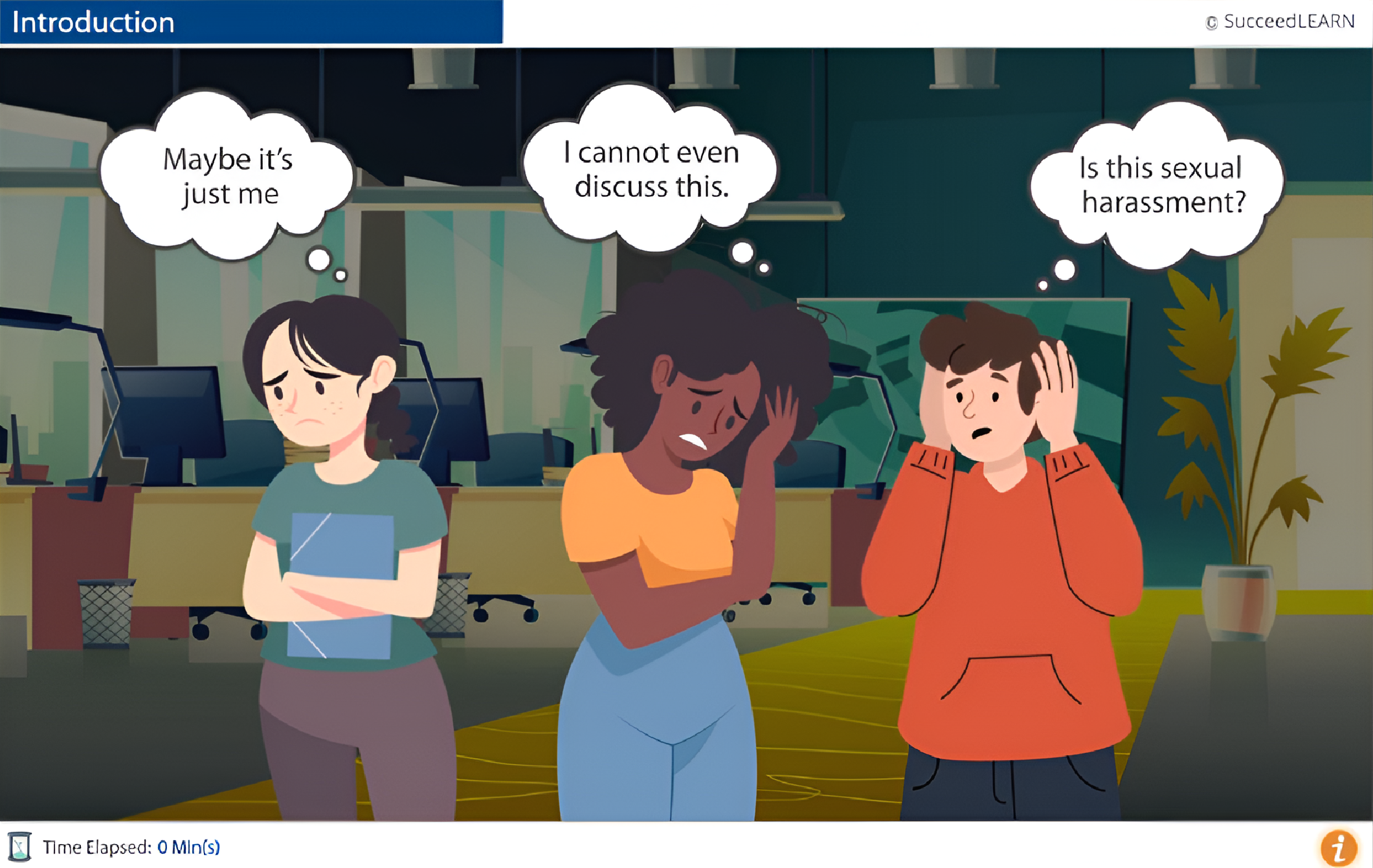
Through interactive case scenarios and decision-making exercises, learners gain hands-on experience in identifying, preventing, and addressing harassment effectively.
Impactful
In just about 40 minutes, the course offers an insightful learning experience that is elegantly concise and deeply engaging.
Designed for policy alignment & customisation
We can embed your company’s policies, complaint contacts, hotline details, culture-specific messaging, and tone for seamless fit into your workplace ecosystem.
Certified quality
The CPD certification confirms that the course meets recognized standards in content, delivery, and learning outcomes.
Laws & Regulations Addressed in Prevention of Sexual Harassment Compliance Training in UK
| Legislation / Concept | Relevance in the Course |
|---|---|
| Worker Protection Act 2023 (UK), an amendment to the Equality Act 2010 | In light of the Worker Protection Act 2023 which is the Amendment of Equality Act 2010, this course will equip you with the knowledge to recognise, reduce, and report inappropriate behaviour quickly and effectively |
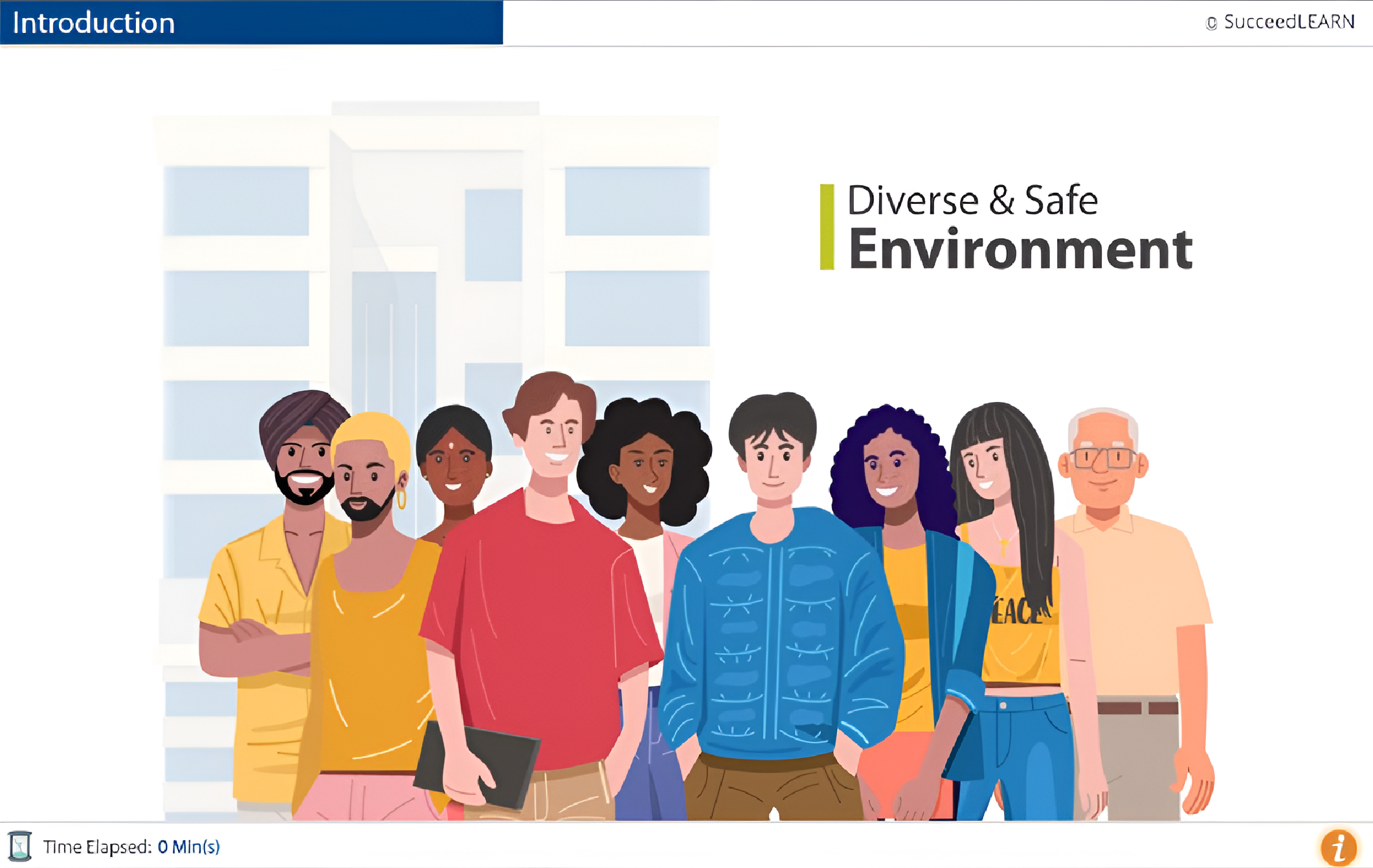
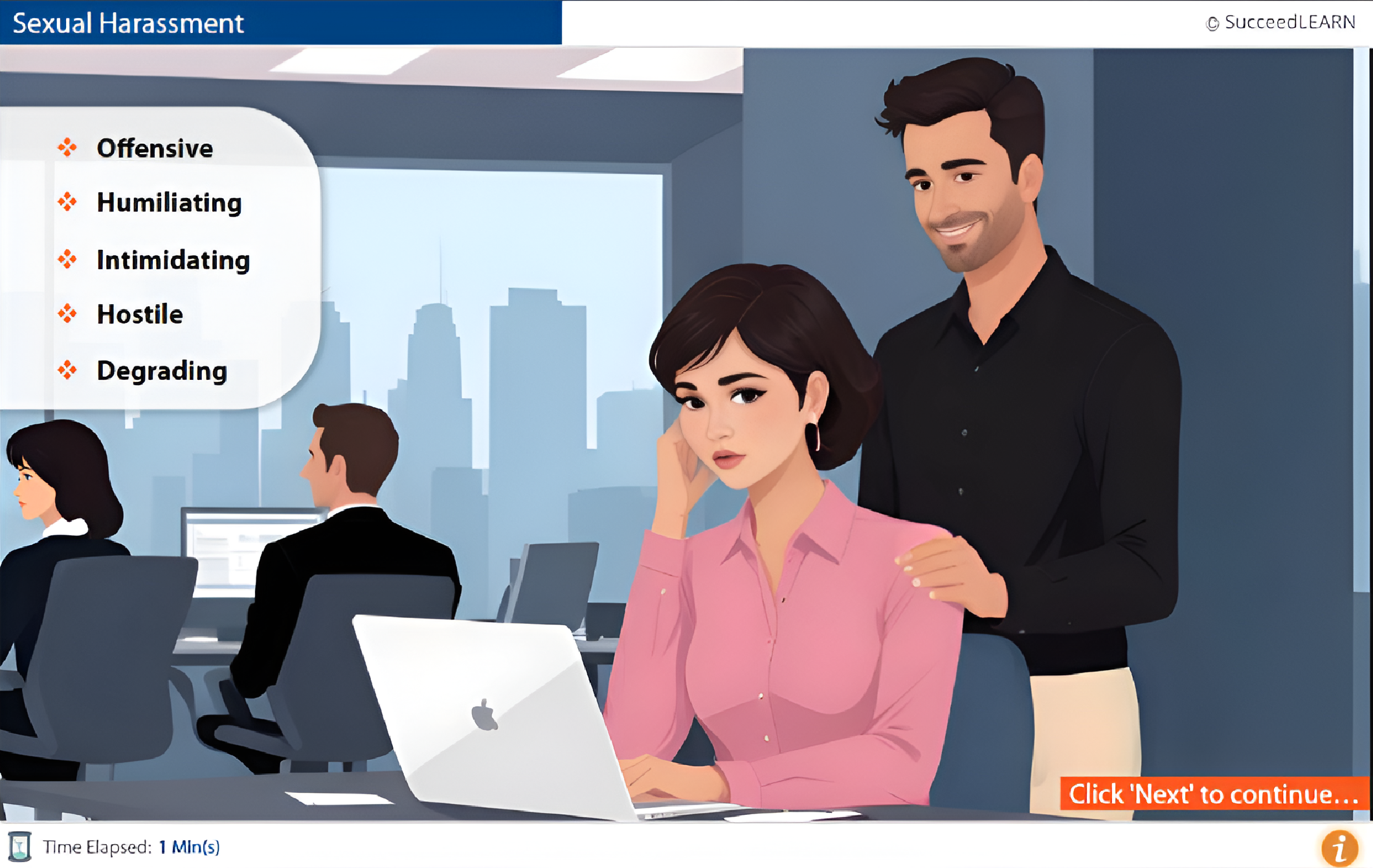
Course's Screenshots
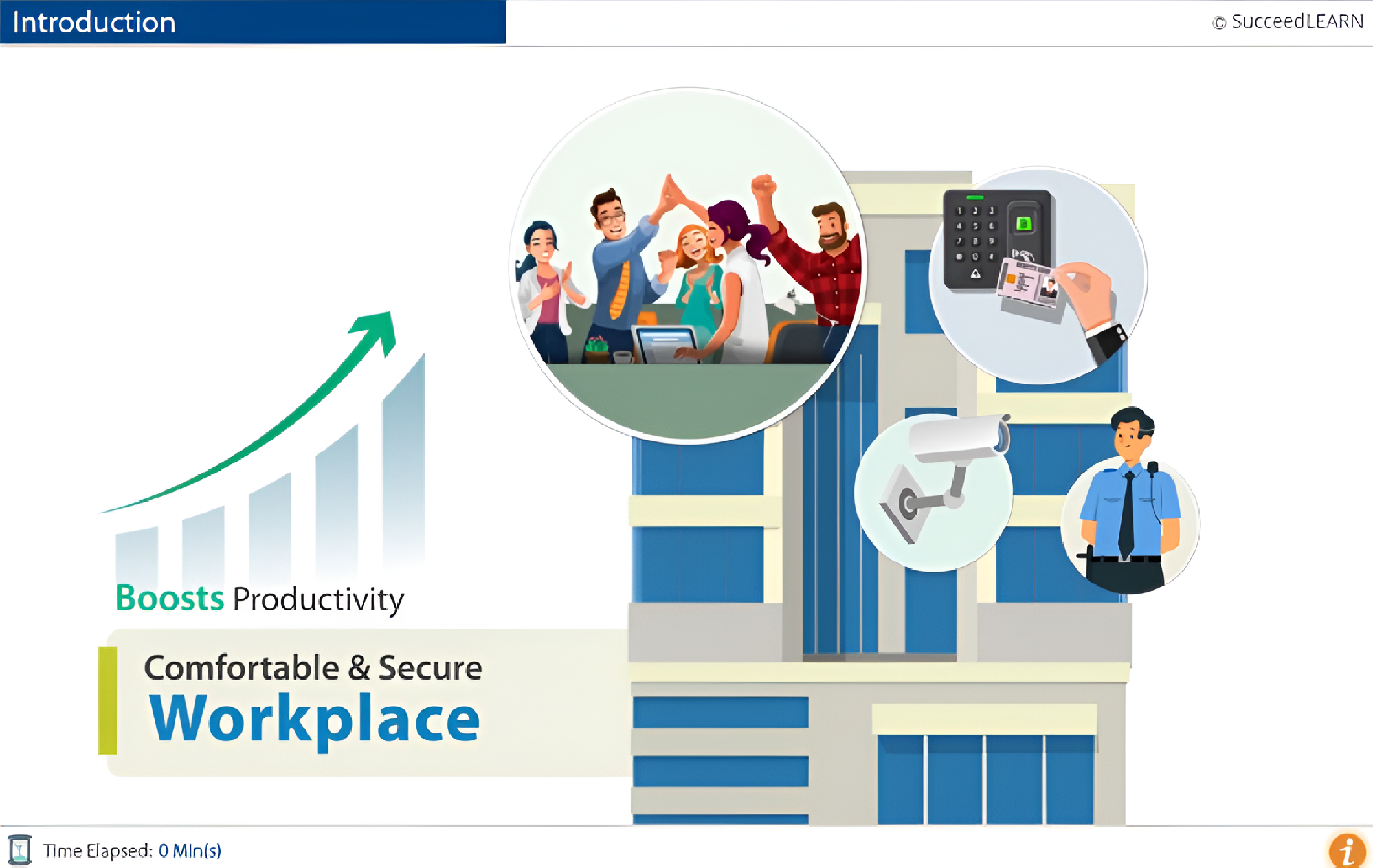

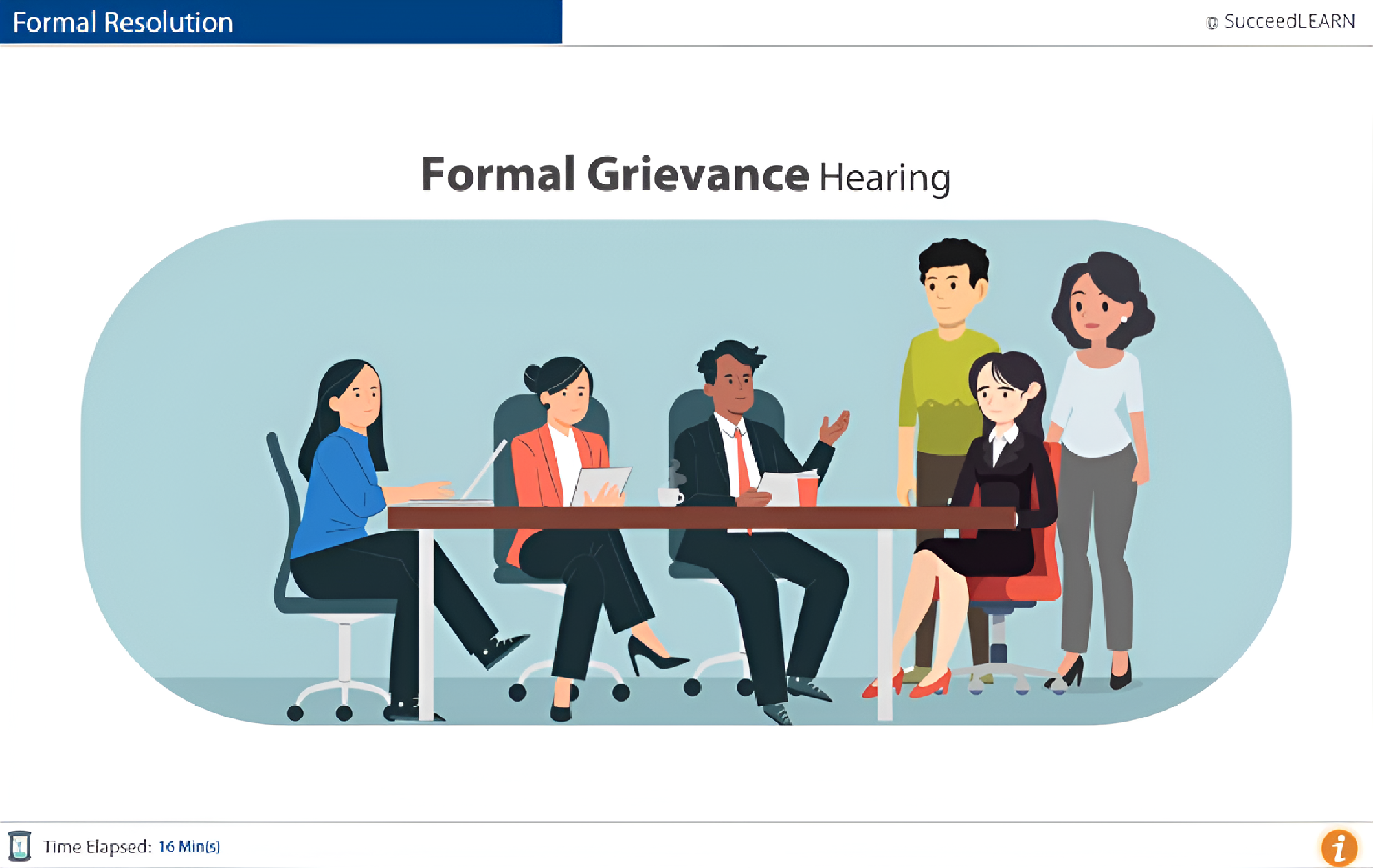
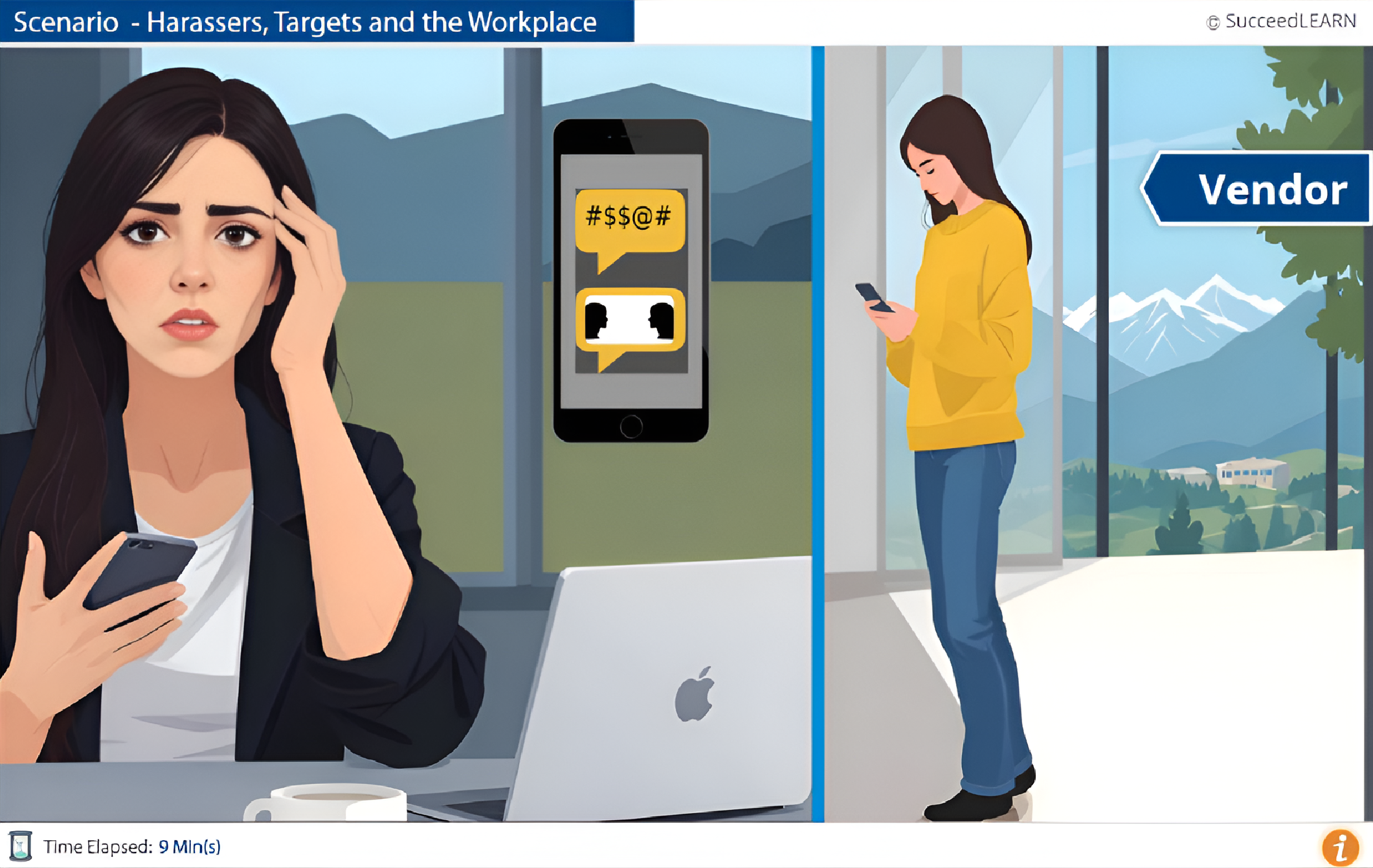

Course Structure
Learning elements
Format & accessibility
Optimised for all devices (desktop, tablet, mobile) with a built-in learner dashboard, real-time progress tracking, automated employee reminders, and seamless integration with your existing systems.
Certificate
Upon successful completion, you receive a CPD certificate valid as proof of training.
Target Audience
The course is designed for all employees, managers, and HR professionals across UK orgs who need to understand their roles and responsibilities in preventing workplace harassment and ensuring compliance with the new legal standards.
Case Study: Real Consequences of Non-Compliance
In UK’s context, an employee must first make a claim against their employer for sexual harassment. If the claim is successful, the employment tribunal will also examine whether the employer failed in their duty to prevent it.
If the employment tribunal finds the employer liable, it can increase the employee’s compensation for this failure. Additionally, the Equality and Human Rights Commission (EHRC) can take action against the employer for breaching this duty under its enforcement powers.
Under the Worker Protection Act 2023, employers now have a legal duty to take “reasonable steps” to prevent sexual harassment in the workplace.
Below is a case where a company faced severe penalty after having been charged with sexual harassment:
Lidl UK – Tribunal & Penalty for Failing to Prevent Harassment: A UK employment tribunal found that Lidl had failed to take reasonable steps to prevent sexual harassment of a young female employee because managers weren’t trained, policies weren’t applied, and risk wasn’t assessed.
As a result, the company faced £50,000 in compensation and a legally binding agreement with the Equality and Human Rights Commission (EHRC) to improve practices.
This case highlights how lack of effective training, oversight, and preventative steps can lead to costly outcomes and enforcement measures.
Course Outline
Sexual Harassment
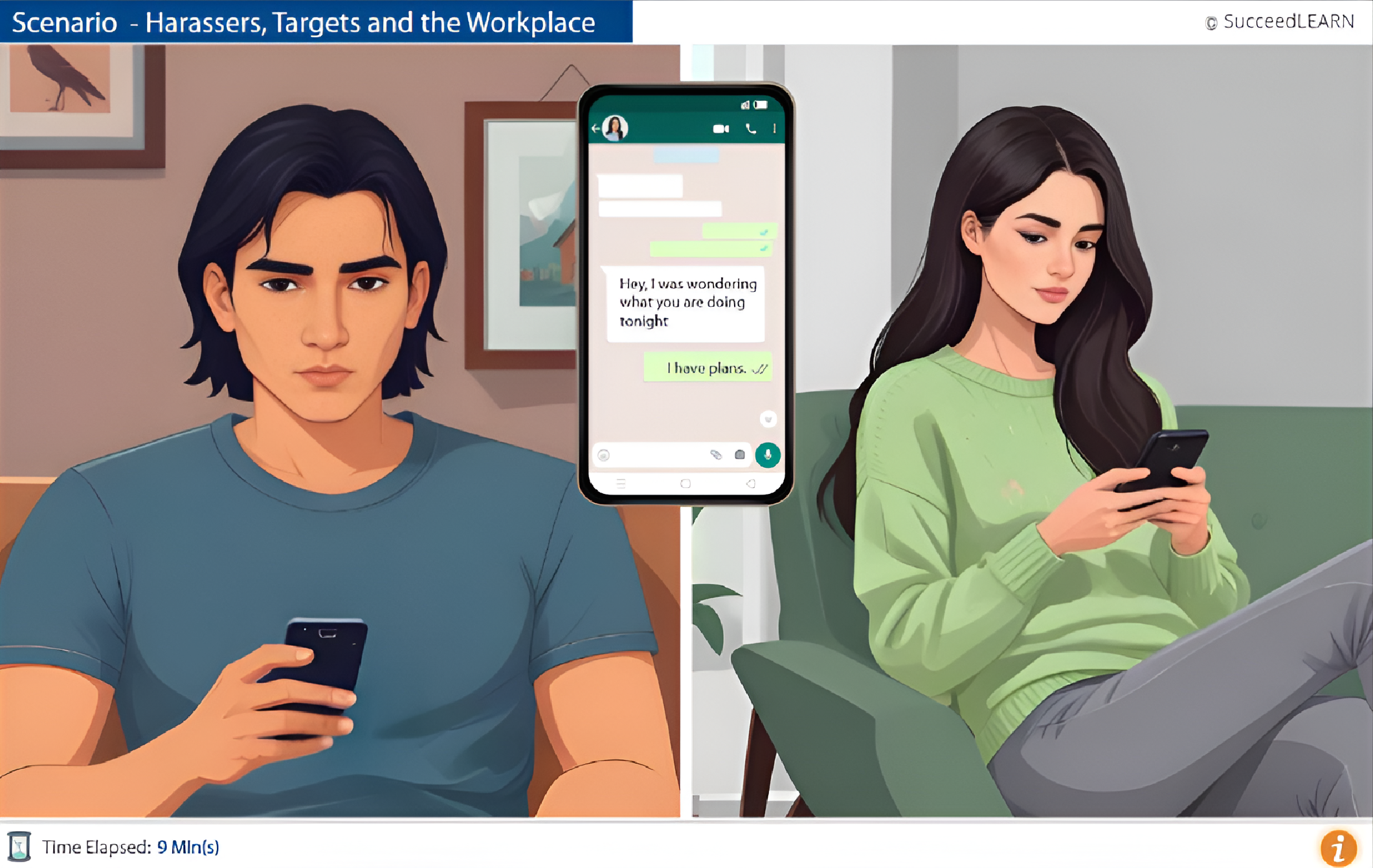
- Scenario: A male colleague tries to convert a newly joined female employee, an atheist, to his religion
- Types of Harassment
- Forms of Sexual Harassment
- Who can be the target of sexual harassment?
- Who can be the harasser?
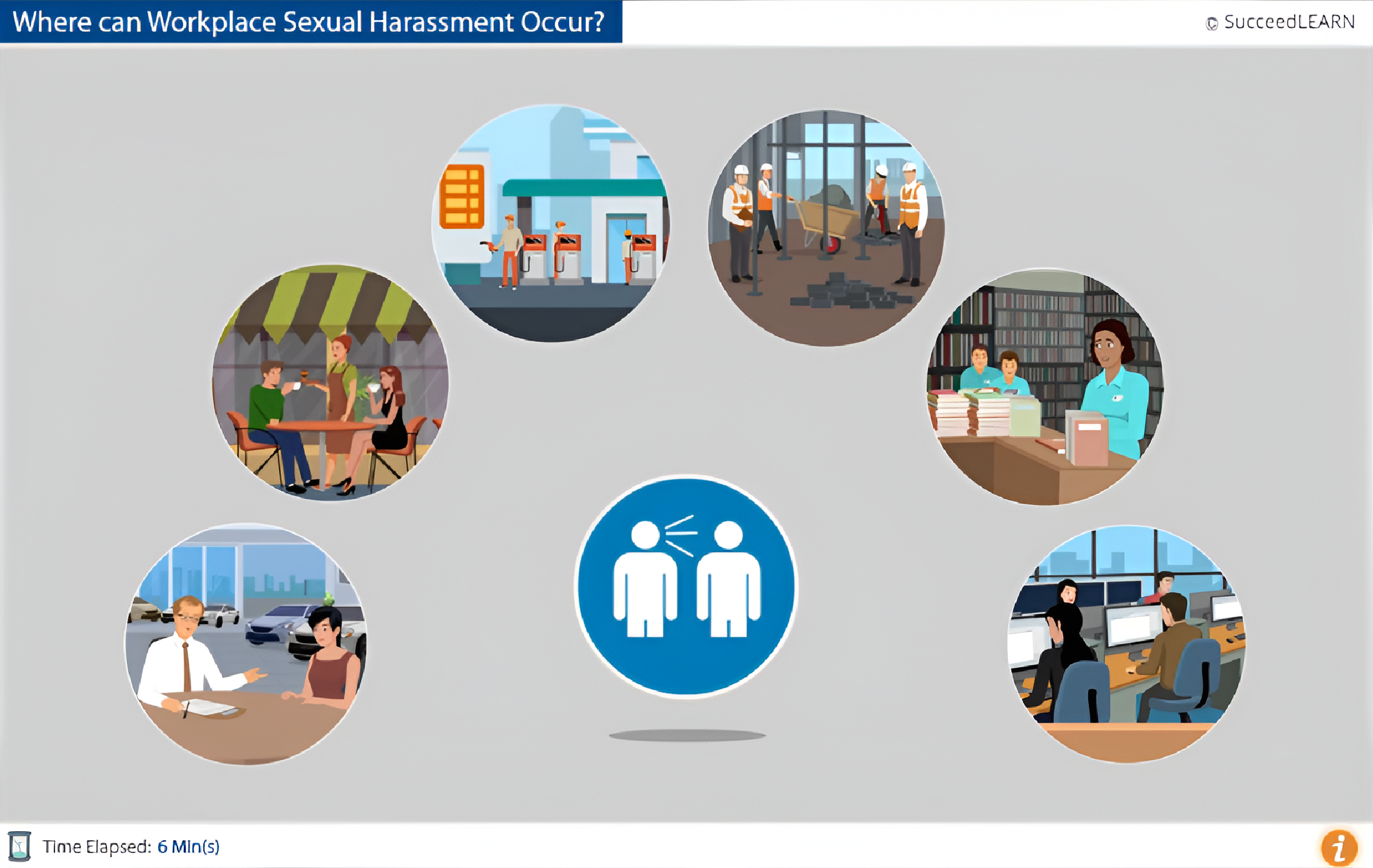
- Where can Workplace Sexual Harassment occur?
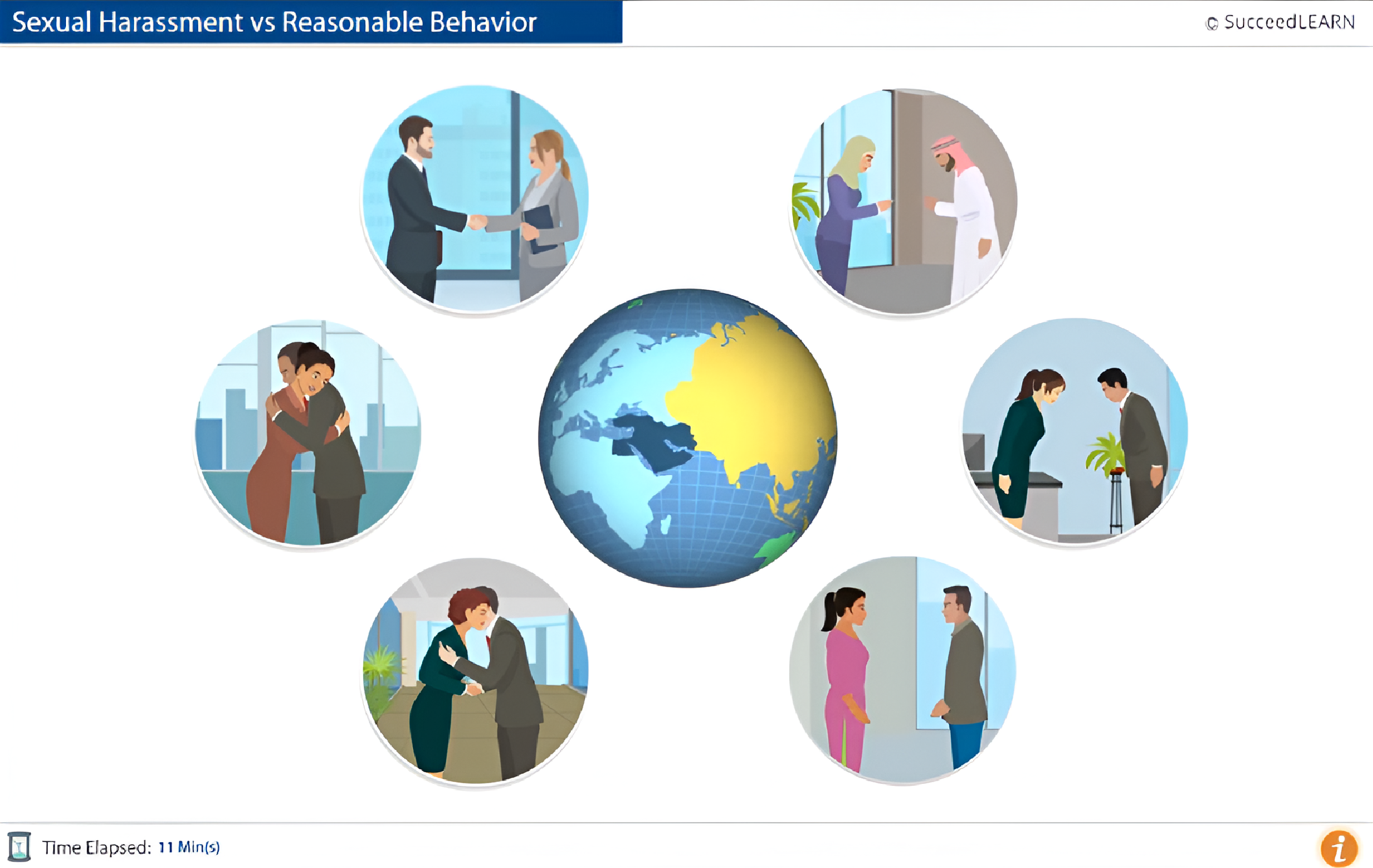
- Sexual Harassment versus Reasonable Behaviour
- Purpose and Effect
- Scenario: A male employer often compliments a female employee on her fashion sense and appearance.
Personal Relationships at Workplace
Bystander Intervention
- Direct
- Distract
- Delegate
- Delay
Reporting Sexual Harassment
- Informal Resolution
- Formal Resolution
- Confidentiality
- What is NOT sexual harassment?
- Victimisation
- What is not Victimisation?
- Malicious Complaint
See how Succeed will work for your Organization

Request a Demo
FAQs
The Worker Protection (Amendment of Equality Act 2010) Act, 2023, is a UK law that requires employers to take proactive, reasonable steps to prevent sexual harassment in the workplace. If employers fail to do so and harassment occurs, employment tribunals can increase compensation by up to 25%.
The Equality Act 2010 (UK), which came into force on 1 October 2010, consolidated over 100 pieces of anti-discrimination legislation into a single legal framework. It makes three types of harassment unlawful:
- Harassment related to a protected characteristic
- Sexual harassment
- Less favourable treatment because a person has rejected or submitted to sexual harassment
The Act strengthened and simplified discrimination law across employment, education, and services.
Following the 2018 Women and Equalities Select Committee report, which exposed widespread workplace sexual harassment and called for stronger protections, Parliament introduced reform.
The Worker Protection (Amendment of Equality Act 2010) Act, 2023 received Royal Assent on 26 October 2023 and came into force on 26 October 2024. It introduced a new legal duty requiring employers to take reasonable steps to prevent sexual harassment, marking a significant shift toward proactive prevention and safer workplaces.
This course provides a comprehensive understanding of the Worker Protection Act, 2023 and its implications for UK workplaces. It educates employees and employers on recognizing, preventing, and addressing sexual harassment while ensuring compliance with the strengthened employer duties under the Act.
Understanding the Worker Protection Act, 2023 is crucial because it places a stronger legal duty on employers to actively prevent sexual harassment in the workplace. This course helps individuals and organisations recognise inappropriate behaviour, take preventive action, and build a culture of respect and safety.
The course is designed for all employees, managers, and HR professionals across UK organisations. It equips everyone - from frontline staff to senior leaders - with the knowledge and tools needed to recognise, prevent, and respond appropriately to sexual harassment, ensuring a safe and compliant workplace for all.
The course aligns with the Worker Protection Act 2024, effective 26th October 2024, by providing essential training that helps employers demonstrate proactive efforts to prevent harassment - a key expectation under the new legislation.
If the employment tribunal finds an employer liable for sexual harassment, it may also assess whether they failed in their duty to prevent it, potentially increasing compensation to the employee. The EHRC can also take enforcement action against non-compliant employers.
Yes, the course includes real-life scenarios to help employees practice recognizing and responding to inappropriate behavior in practical, workplace-relevant situations.
The course is available in English by default, but it can be tailored to suit your preferred language.
The course typically takes about 40 minutes to complete, depending on the learner’s pace and level of interaction with course activities and reflections.
Yes. The module usually includes short knowledge checks and a final quiz to test understanding and reinforce key learning points. A minimum passing score may be required to complete the training.
Yes. The participant will receive a Course Completion Certificate.
Although grounded in UK legislation, the course uses inclusive, culturally sensitive examples to help multinational teams apply the principles of respect and prevention consistently across diverse workplace cultures.
The delivery is fully flexible. If you have an in-house LMS, we can provide the course as a SCORM-compliant package. If not, we offer a seamless SaaS-based hosting option for easy access and deployment.