- Animated Videos
- Short slides with narrated text
- Interactive scenario exercises
- Real-life case examples
- Frequent knowledge checks / quizzes
- Final assessment / certificate generation

Learning Objectives
By the end of this course, learners will be able to:
- Define sexual harassment in accordance with Chicago Human Rights Ordinance.
- Recognize various forms of inappropriate conduct that can constitute sexual harassment.
- Differentiate between quid pro quo sexual harassment and hostile work environment sexual harassment.
- Identify situations where harassment based on gender identity and expression can occur.
- Understand the concept of bystander intervention and its significance.
- Recognize the role of bystanders in contributing to a safe and respectful work environment.
Why Chicago Bystander Intervention Training?
Aligned with legal expectations under the Chicago Human Rights Ordinance
The course goes beyond definitions and raises awareness of what constitutes sexual harassment - including quid-pro-quo and hostile environment cases - so employees can recognise violations early and respond appropriately. This strengthens compliance posture and reduces legal risk for employers.
A clear, actionable intervention model employees can apply immediately
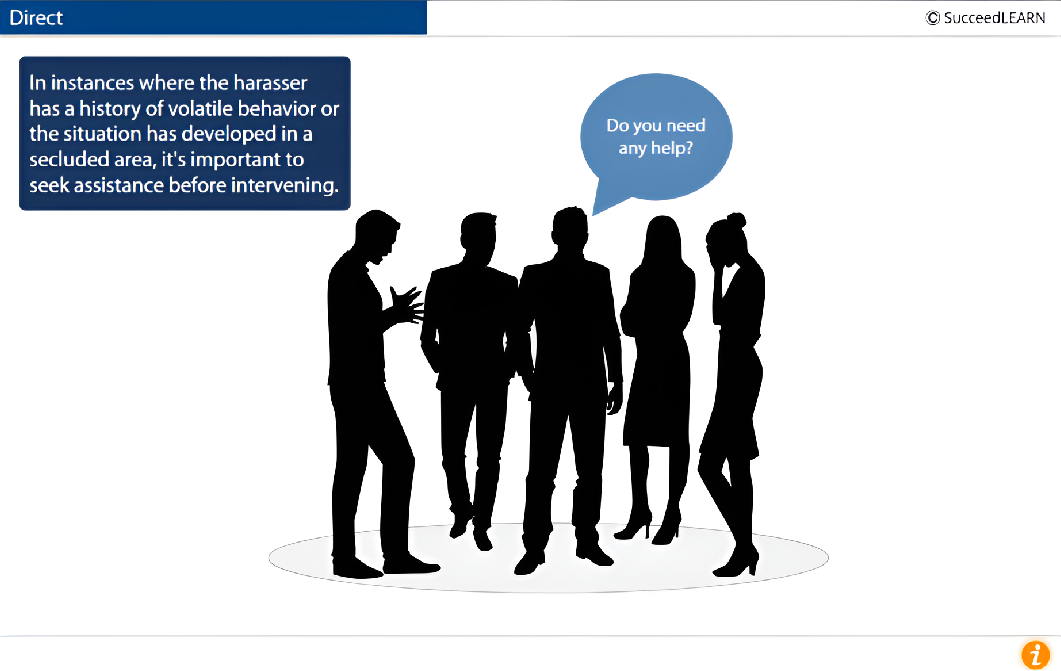
The course doesn’t just tell employees to “speak up”, it teaches exactly how to intervene using the proven 4D model: Distract, Delegate, Direct, Delay, with examples of what to say, when to step in, and when to involve HR. This bridges the common gap between awareness and real-world action.
Scenario-based learning grounded in real workplace behaviour
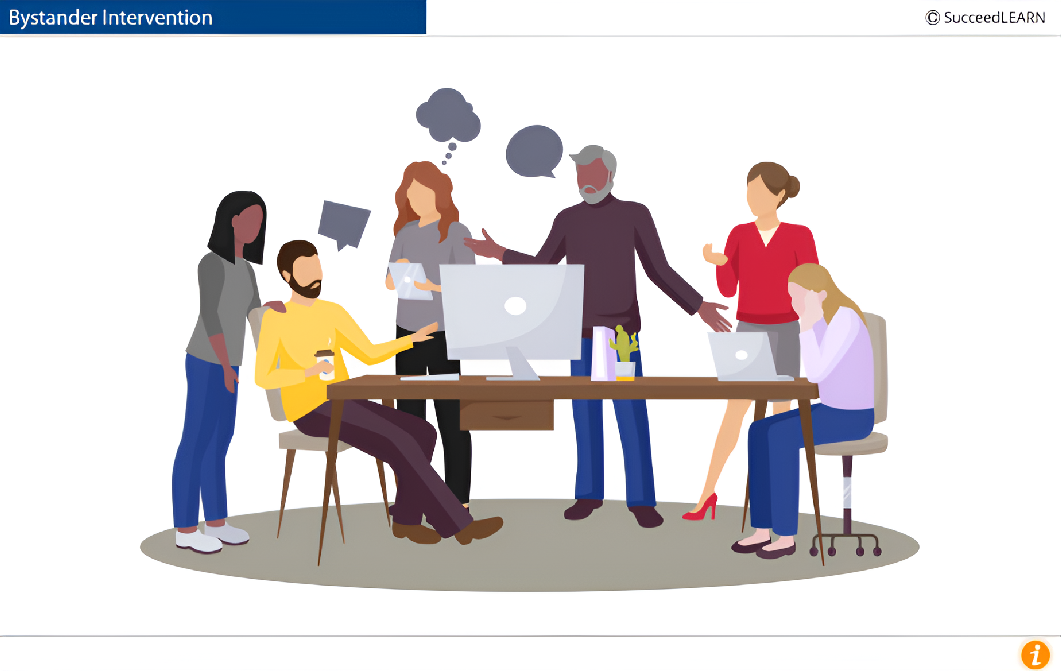
Employees learn using practical situations - meetings, hallways, coffee areas, one-on-ones, manager–subordinate interactions - making the training relatable and memorable. Each scenario demonstrates multiple intervention paths to build decision-making confidence.
Addresses the psychological barriers behind inaction
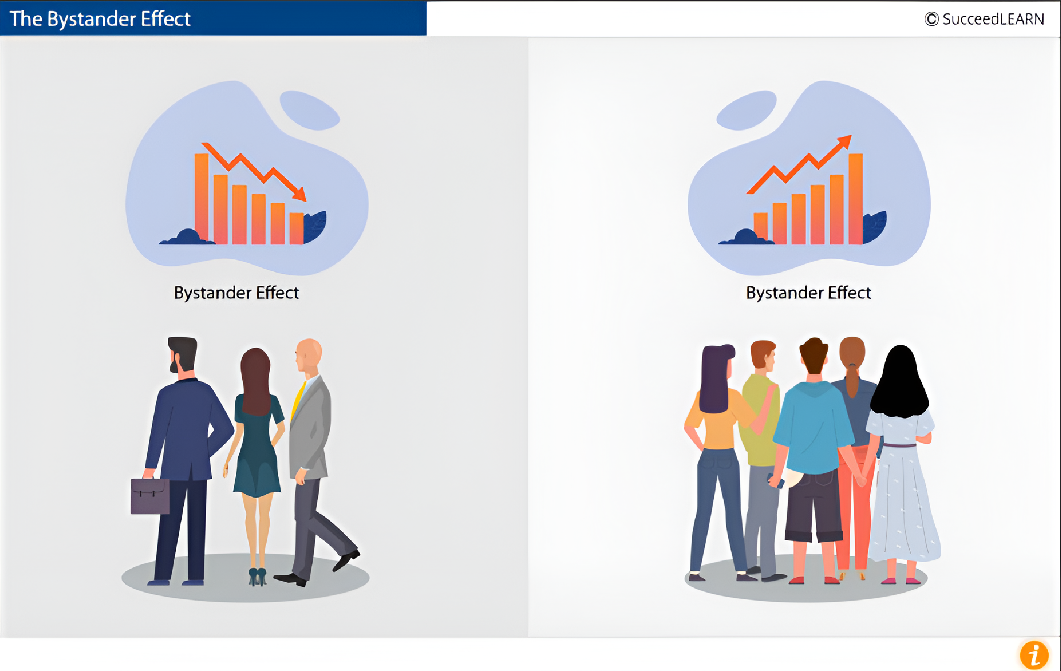
The module explains the Bystander Effect and why people hesitate, helping employees overcome fears like “what if this isn’t my place?” or “someone else will step in.” By normalising intervention, orgs foster a culture where silence is replaced with support.
Inclusive lens covering gender identity and expression-based harassment
The training highlights misconduct against transgender and gender-diverse employees - an area often overlooked in generic harassment courses - ensuring teams understand how discrimination manifests and how to intervene respectfully.
Safety-centric approach prioritising appropriate action over confrontation
Not all incidents call for direct confrontation. The course teaches employees to assess risk, power dynamics, and context before acting - empowering them to intervene confidently without compromising personal safety.
Shifts culture from passive observance to active allyship
The goal is not just compliance, but a behavioural shift - teaching people that stepping in doesn’t require heroics. Small actions like checking in later, redirecting conversation, or reporting appropriately can prevent harm and protect colleagues.
Interactive knowledge checks & decision-based activities for retention
Learners test their judgement, explore consequences, and receive feedback instantly - ensuring knowledge sticks and enabling measurable behaviour change rather than passive content consumption.
Laws & Regulations Addressed in Bystander Intervention Training
| Legislation / Concept | Relevance in the Course |
|---|---|
| The Chicago Human Rights Ordinance | The course underscores that under the Chicago Human Rights Ordinance, employers must provide annual sexual harassment prevention and bystander intervention training. |
Course's Screenshots


Course Structure
Learning elements
Format & accessibility
The platform offers fully responsive design across desktop, tablet, and mobile, along with a learner dashboard, progress tracking, employee reminders, and seamless integration with your existing systems.
Certificate
On successful completion and passing the assessment, learners can generate a completion certificate as proof of training (configurable per org).
Target Audience
The course is ideal for all employees committed to fostering a safe, respectful, and harassment-free workplace. The course is tailored for:
- People managers, supervisors, team leads, and Senior leadership responsible for maintaining a respectful work culture and responding to reports effectively.
- HR, Compliance, and DEI teams who manage grievances, reporting structures, and behavioural expectations.
- New hires, interns, and early-career employees who may lack confidence in speaking up or identifying harassment.
- Employees working in customer-facing or high-interaction environments where boundary-crossing behaviours may arise.
- Distributed, global, or diverse teams requiring shared understanding of respectful conduct, gender identity expression, and workplace safety.
In short for all employees who may witness or experience workplace misconduct or sexual harassment.
What if you don’t comply?
If an employer fails to comply with the training/policy obligations under the Chicago Human Rights Ordinance (amended July 1, 2022), the consequences include:
- $500 to $1,000 per offense, and
- each day a violation continues can be treated as a separate offense.
Rebuttable presumption of violation: If records (of training/policy) aren’t kept for at least 5 years, the employer is presumed to have violated the law.
Failure to comply with bystander intervention measures, may also lead to:
- Increased incidents of misconduct
- Toxic work environment
- Reduced employee trust
- High turnover and absenteeism
- Loss of organizational reputation
Course Outline
Recognizing Sexual Harassment at the Workplace
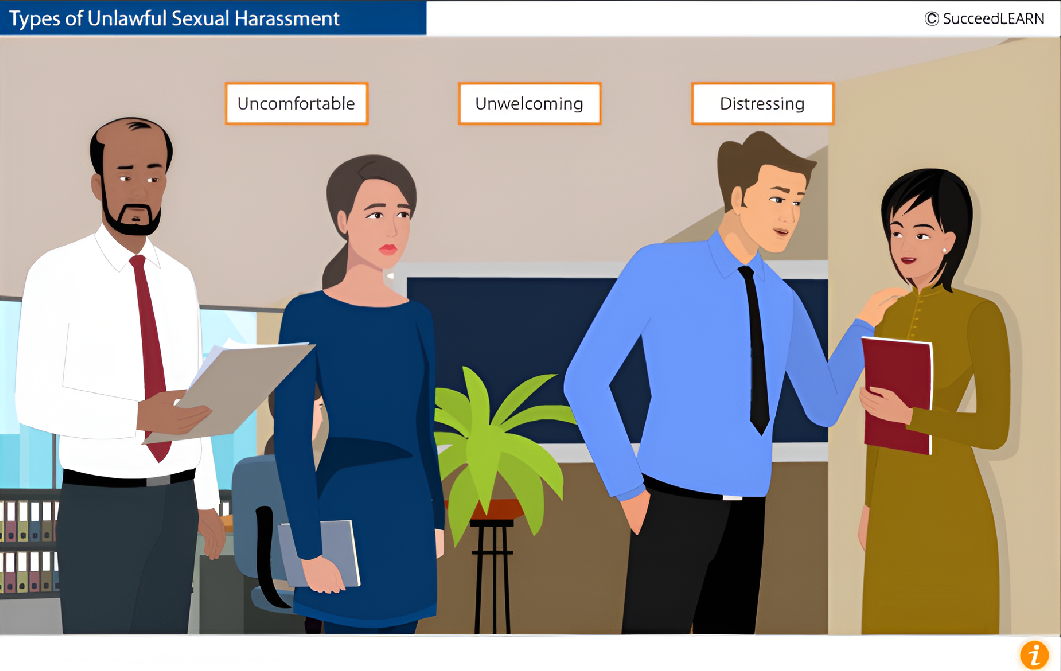
Types of Unlawful Sexual Harassment:
- Quid Pro Quo Sexual Harassment
- Hostile Work Environment Sexual Harassment
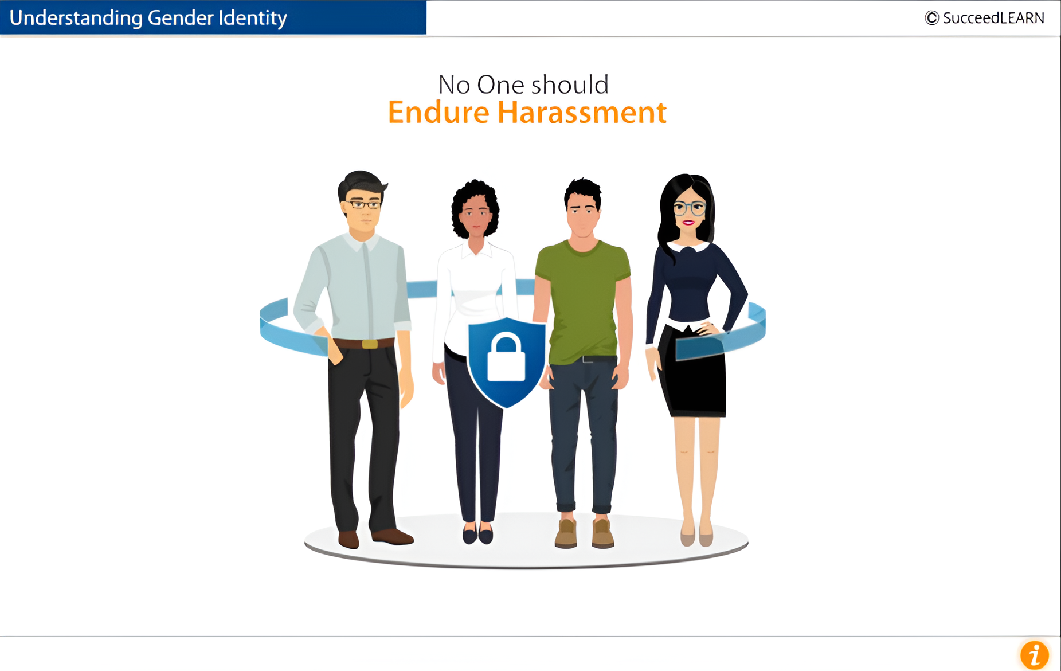
Harassment based on Gender Identity and Gender Expression
Understanding Gender Identity
Bystander Intervention:
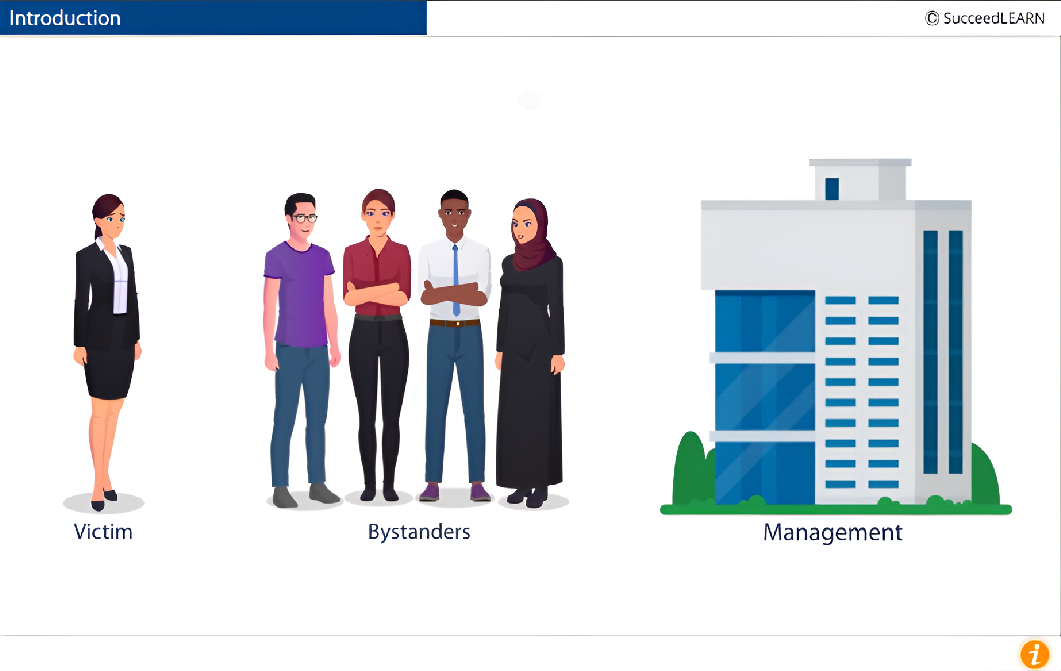
- Understanding Bystander Intervention
- Why is Bystander Intervention Important?
- The Bystander Effect
- Knowledge Check: Various examples to understand the Bystander Effect
- Bystander Intervention Strategies
- Step 1: Recognizing Harassment
- Step 2: Choosing an Intervention Method
- Four primary ways to intervene:
- Direct
- Distract
- Delegate
- Delay
See how Succeed will work for your Organization

Request a Demo
FAQs
Bystander intervention is the act of safely stepping in, speaking up, or seeking help when witnessing inappropriate, harmful, or risky behaviour to prevent harm and support others.
The Bystander Intervention eLearning course empowers employees to recognize, respond to, and prevent inappropriate or harmful behavior in the workplace. Through real-life scenarios and interactive learning, it teaches individuals how to safely intervene, support affected colleagues and contribute to a respectful and harassment-free environment.
Under the Chicago Human Rights Ordinance (CHRO), employers with one or more employees working within the City of Chicago must require covered employees to complete one hour of bystander intervention training every year as a stand-alone, mandatory obligation, in addition to sexual harassment prevention training. The requirement applies to all employees working in Chicago, including supervisors and managers, regardless of employment status (full-time, part-time, temporary, or contract). Employers must include this requirement in their written anti-sexual-harassment policy, distribute the policy to employees in their primary language within the first calendar week of employment, and conspicuously display the City-issued sexual harassment posters in English and Spanish.
Training may be delivered via eLearning, is completed annually, and allows the employer to track and retain completion records for at least five years. Failure to maintain required records can create a rebuttable presumption of non-compliance, and violations of the policy, training, posting, or recordkeeping obligations may result in penalties of $500 to $1,000 per offense, with each day treated as a separate violation.
Yes, the course is aligned with the Chicago Human Rights Ordinance which requires that the employers must provide annual sexual harassment prevention and bystander intervention training.
Learning about Bystander Intervention is important because it equips employees with the awareness and confidence to act when witnessing inappropriate behavior.
The Bystander Intervention course is designed for all employees, at every level, who want to contribute to a safe, respectful, and harassment-free workplace.
Yes, the Bystander Intervention course includes real-life scenarios to help employees practice recognizing and responding to inappropriate behavior in practical, workplace-relevant situations.
The course is available in English by default, but it can be tailored to suit your preferred language.
The course typically takes about 30 minutes to complete, depending on the learner’s pace and level of interaction with course activities and reflections.
Yes. The module includes short knowledge checks and a final practice activity to test understanding and reinforce key learning points.
Yes. The participant will receive a Course Completion Certificate.
The delivery is fully flexible. If you have an in-house LMS, we can provide the course as a SCORM-compliant package. If not, we offer a seamless SaaS-based hosting option for easy access and deployment.