- Short, compelling animated insights
- Concise, professionally narrated slides
- Practical, real-world simulation activities
- Relevant examples based on real organisational situations
- Continuous learning checkpoints
- A final evaluation that awards a completion certificate
Learning Objectives
By the end of this course, learners will be able to:
- Understand the common applications of Generative AI in the workplace.
- Explain the legal and regulatory requirements for responsible AI use.
- Identify the risks, limitations, and potential benefits of using Generative AI.
- Evaluate the key advantages and disadvantages of GenAI tools.
- Take appropriate action when encountering misuse, inaccuracy, or policy violations.
Why Responsible Use of Generative AI eLearning Training?
Covers the most important aspects
GenAI tools process and store user inputs, which means employees may unintentionally expose confidential, personal, or commercially sensitive data. Employees may experiment with unapproved AI apps, plug-ins, browser extensions, or transcription tools. The AI Compliance Training ensures staff understand what can and cannot be shared, preventing data leaks and breaches that could lead to legal and regulatory consequences.
Ensures Compliance with Global AI Laws and Regulations
With new regulations like the EU AI Act and existing laws such as GDPR, orgs must comply with strict requirements around AI usage, documentation, transparency, and data protection. The course helps employees understand the jurisdiction-specific risks, prohibited practices, and the legal stakes - including multimillion-euro fines.
Reduces Legal, Reputational, and Ethical Risks
GenAI may produce inaccurate, biased, or fabricated content (hallucinations). Incorrect use in client deliverables, analysis, or business decisions can create reputational damage, regulatory scrutiny, and loss of stakeholder trust. Training equips staff to recognise these risks and validate outputs before use thus ensuring AI is used to enhance productivity - summarising, drafting, brainstorming - without replacing judgment or compromising organisational integrity.
Interactive Decision-Making Simulations
The course includes “Do vs Don’t” choices, branching questions, and AI-chat simulations that mirror how employees actually use GenAI. These activities allow learners to test their judgment safely while reinforcing the right behaviours without risk to the org.
Engaging, Bite-Sized Modules for Faster Completion
The course comes with short engaging slides that not just help retention but also let you make the right and efficient decisions, keep you engaged with light activities, so you remain informed on the ethical usage of latest GenAI tools.
Laws & Regulations Addressed in this Course:
Before using any AI tool at work, it’s important to understand the rules that govern them. Major law includes:
| Legislation / Concept | Relevance in the Course |
|---|---|
EU
|
The European Union has introduced the world’s first full legal framework for artificial intelligence: the EU AI Act, adopted in 2024.
In addition to this, laws of GDPR still apply. The course informs that if AI tools handle personal data without proper care, penalties under GDPR can be as high as €20 million or 4% of global turnover. |
Course's Screenshots


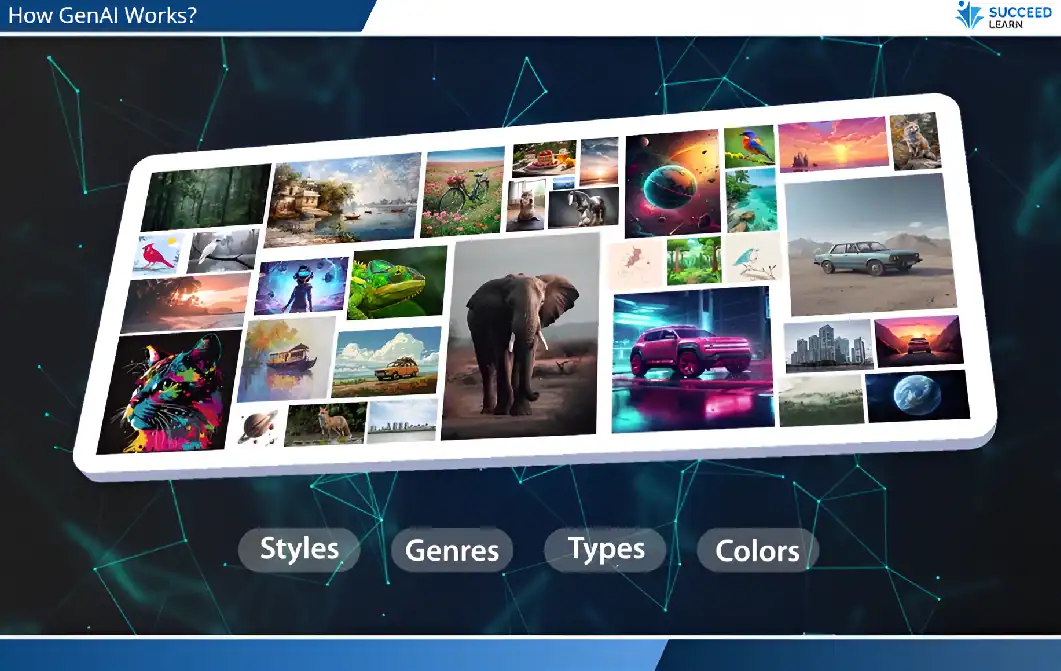

Course Structure
Learning elements
Format & accessibility
The learning environment adapts effortlessly to desktop, tablet, and mobile, and includes a learner dashboard, progress tracking, reminders, and seamless integration with your existing tools.
Certificate
On successful completion and passing the assessment, learners can generate a completion certificate as proof of training (configurable per org).
Target Audience
The Responsible Use of Generative AI eLearning Course is tailored for:
- Managers and team leads responsible for approving or overseeing AI-driven tasks and outputs.
- HR, Learning & Development, and Compliance teams who set policies and ensure responsible AI adoption.
- Data Protection, Legal, and Information Security teams who manage privacy, security, and regulatory risks.
- Product, Engineering, and Tech teams involved in building, testing, or integrating AI systems.
- Marketing, Content, and Communications teams using AI for copywriting, design, or customer engagement.
- Procurement and Vendor Management teams evaluating or onboarding AI-powered tools or services.
In short, for any employee accessing or generating organisational data using AI, to ensure safe, ethical, and compliant use.
Case Studies: Real Consequences of Non-Compliance
A Responsible Use of Generative AI training is not yet universally mandatory by law in most countries. However, orgs are required to maintain strong governance, develop clear usage policies, ensure data protection, manage AI-related risks, prevent misuse, and maintain transparency that if not followed could lead to legal exposure.
Here are some real-world cases of non-compliance resulting in fines, reputational damage, and loss of stakeholder trust:
- Delphia and Global Predictions paid $400,000 in penalties for exaggerating AI tools and making misleading claims, which is a strong real-world example of how overselling or misrepresenting AI is a compliance risk as emphasized in this article - SEC.gov | SEC Charges Two Investment Advisers with Making False and Misleading Statements About Their Use of Artificial Intelligence
- The Dutch Data Protection Authority fined Clearview AI €30.5 million for building a biometric database without a lawful basis or proper transparency. This shows that any org using AI to collect or infer biometric or other sensitive data without strict compliance faces serious financial and reputational consequences.
Course Outline
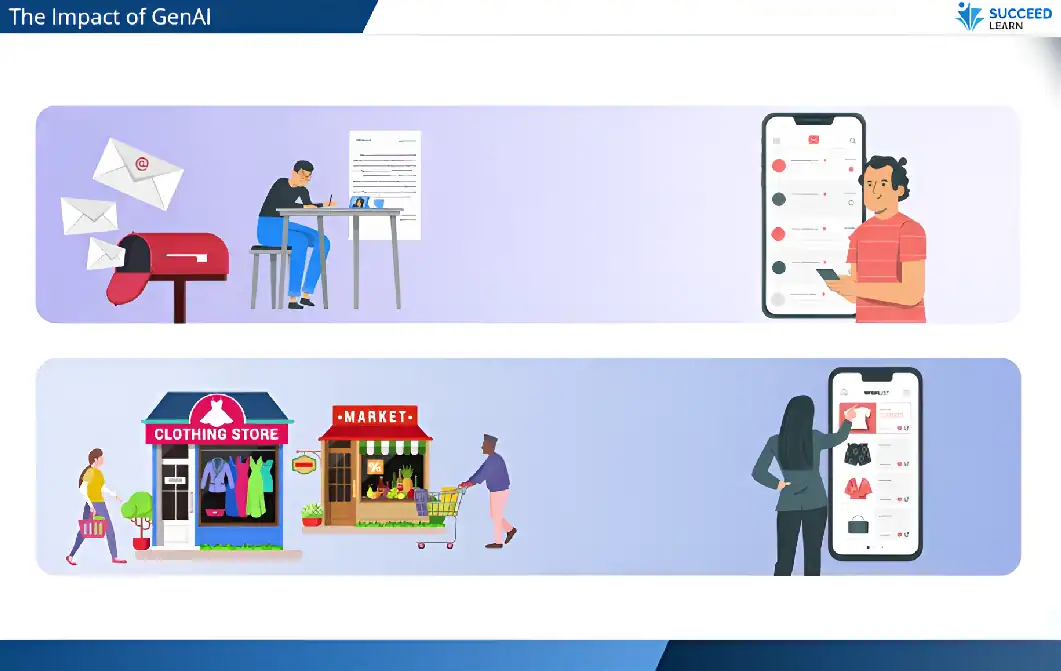
The Impact of GenAI
How GenAI Works
Applications of GenAI
- List of proposed use cases
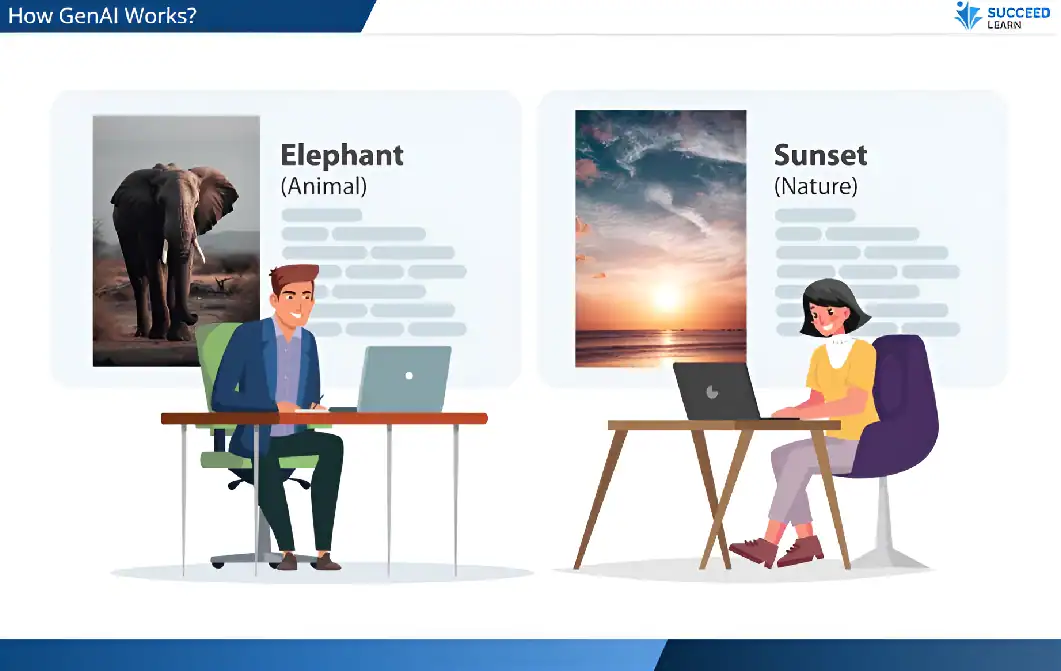
How GenAI Creates Images
AI Laws And Regulations
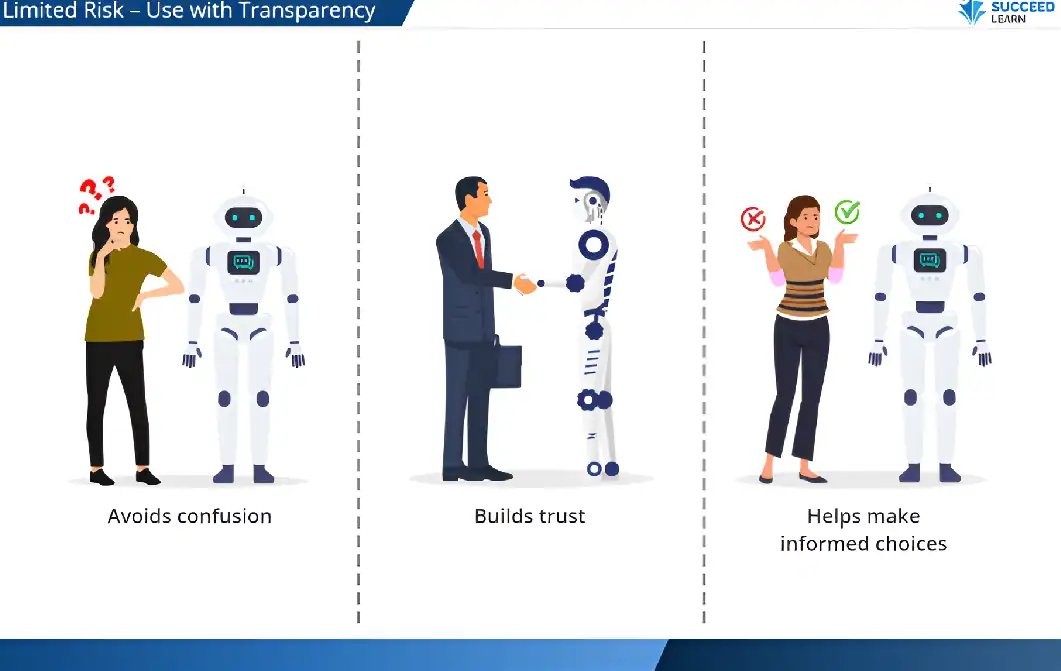
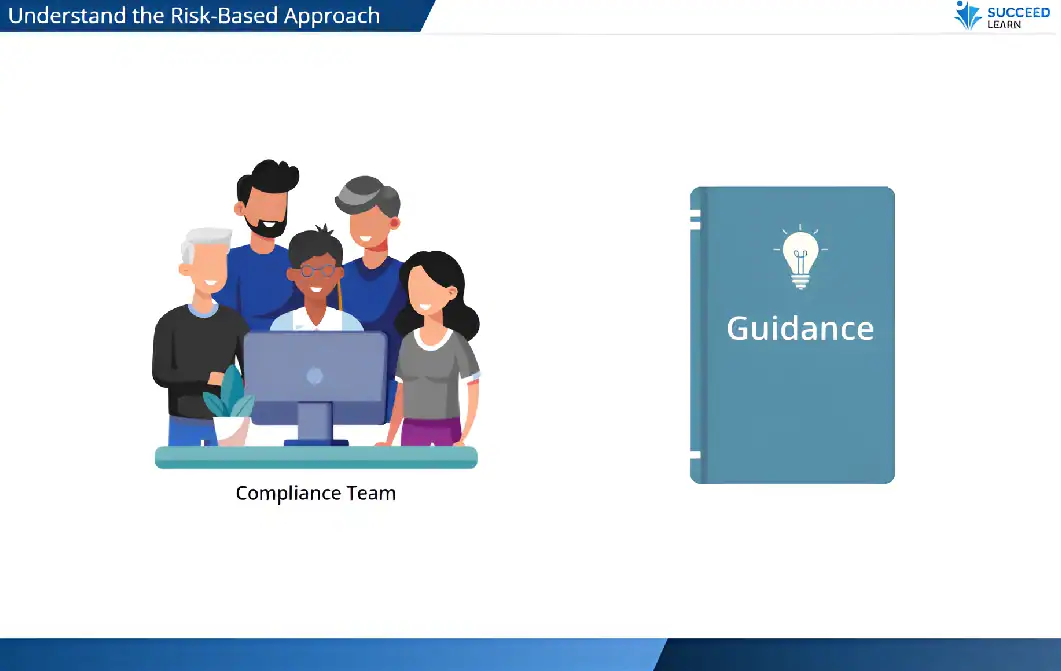
Understanding the Risk-Based Approach
- The EU AI Act uses a risk-based model
Four levels:
- Minimal Risk
- Limited Risk
- High Risk
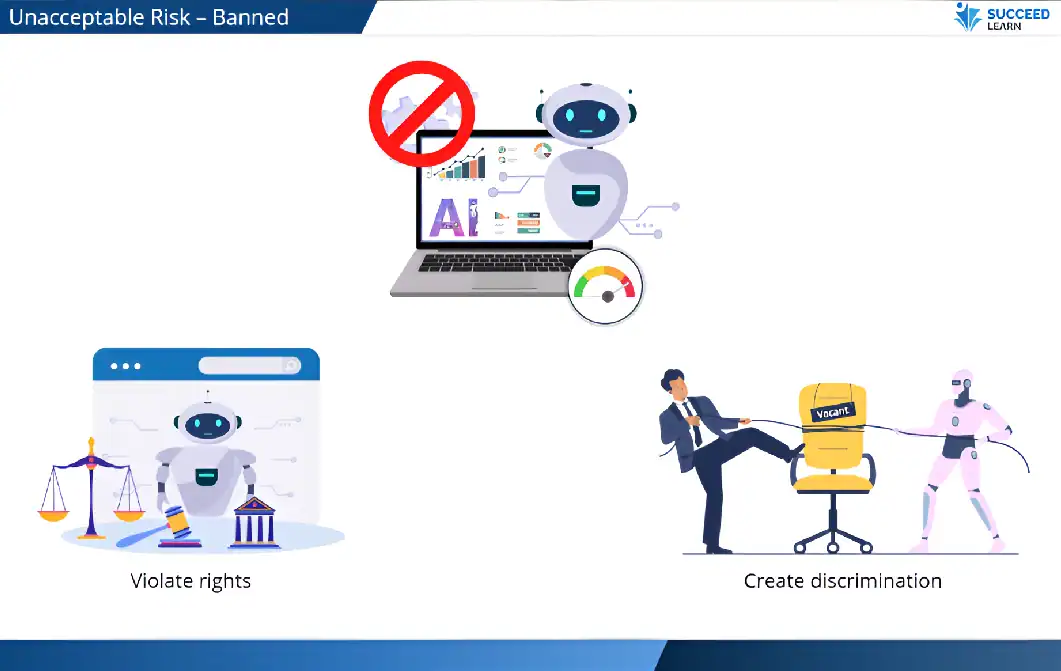
- Unacceptable Risk
- Examples on each of the risks
Risks and Limitations of GenAI
Chat with GenAI
AI Washing
Steps to Follow for Safe and Compliant Use of AI
Advantages of Generative AI
Disadvantages and Risks
See how Succeed will work for your Organization

Request a Demo
FAQs
AI is the broad field of creating machines or software that can perform tasks that normally require human intelligence.
This includes:
- Recognising patterns
- Making decisions
- Understanding speech
- Playing games
- Detecting fraud
- Recommending content
AI systems follow rules, learn from data, or mimic human reasoning depending on how they are built.
GenAI is a subset of AI that focuses on creating new content. It doesn’t just analyse data; it generates text, images, audio, video, and code based on patterns it learned from huge datasets.
With AI tools rapidly entering everyday workflows, employees risk exposing sensitive data, generating inaccurate or biased outputs, or violating compliance requirements. This training ensures your workforce uses AI safely, ethically, and in alignment with organisational and regulatory expectations.
The course explains responsible AI use, data-privacy risks, bias considerations, accuracy checks, organisational policies, approval processes, and real-world cases where misuse led to penalties or reputational damage.
No. Employees must only use GenAI tools approved under the org’s Acceptable Use Policy. Unapproved or free tools, plug-ins, extensions, and transcription services must not be used for business activities.
No. GenAI outputs can contain errors, outdated information, or hallucinations. Employees must always review, verify, and edit all AI-generated content before internal or external use.
No. Confidential, personal, regulated, or commercially sensitive data must not be uploaded unless the tool has been formally approved for such use. This prevents data breaches and privacy violations.
AI washing is when companies exaggerate or mislead others about how much artificial intelligence their products or services actually use. Similar to greenwashing, it creates the illusion of advanced technology to impress customers or investors, even if the AI involvement is minimal or non-existent.
It could mislead customers and investors, lead to ethical and governance failures, reputational damage and the risk of consumer backlash.
Shadow AI refers to the unsanctioned use of artificial intelligence tools or applications by employees without the formal approval or oversight of an organization’s IT or security teams. This often includes generative AI platforms like ChatGPT, AI-powered analytics tools, or machine learning models used to automate tasks, analyze data, or create content without going through official governance channels.
In short, Shadow AI offers speed and innovation but introduces serious security, compliance, and ethical challenges. Orgs should balance flexibility with robust governance to harness AI benefits safely.
Yes, the course covers that content generated by GenAI tools may be derived from internet data that includes copyrighted material. Using AI output without review - especially in external documents - can lead to copyright violations.
Any employee using generative AI tools, especially those in HR, IT, Legal, Compliance, Marketing, Product, and customer-facing roles, should complete the course to ensure organisation-wide safe and consistent AI practices.
By teaching employees how to avoid data leaks, manage personal data responsibly, verify outputs, and follow internal AI governance, the course helps prevent violations of laws such as the GDPR and EU AI Act, reducing the likelihood of fines and legal disputes.
Yes. The content reflects emerging global standards including the EU AI Act, GDPR, and best-practice frameworks around data protection, transparency, fairness, and accountability.
Absolutely. The course can be tailored with your company’s AI policies, approved tools, workflows, brand identity, and industry-specific compliance requirements.
The course typically takes 30 minutes to complete depending on your customisation preferences.
Yes. Upon successfully completing the final assessment, learners receive a certificate that demonstrates their understanding of responsible AI practices.
It reinforces your AI governance framework, ensures employees follow approved processes, and creates an audit trail showing you’ve taken diligence measures that is critical for demonstrating compliance.
Yes. The course features clear case studies such as GDPR fines, AI-washing penalties, and misuse of personal data to show the real consequences of irresponsible AI use.
The delivery is fully flexible. If you have an in-house LMS, we can provide the course as a SCORM-compliant package. If not, we offer a seamless SaaS-based hosting option for easy access and deployment.