- Engaging animated walkthroughs
- Easy-to-follow slides with clear narration
- Immersive, scenario-based interactions
- Realistic workplace examples
- Regular comprehension checks
- A final assessment with certification
Learning Objectives
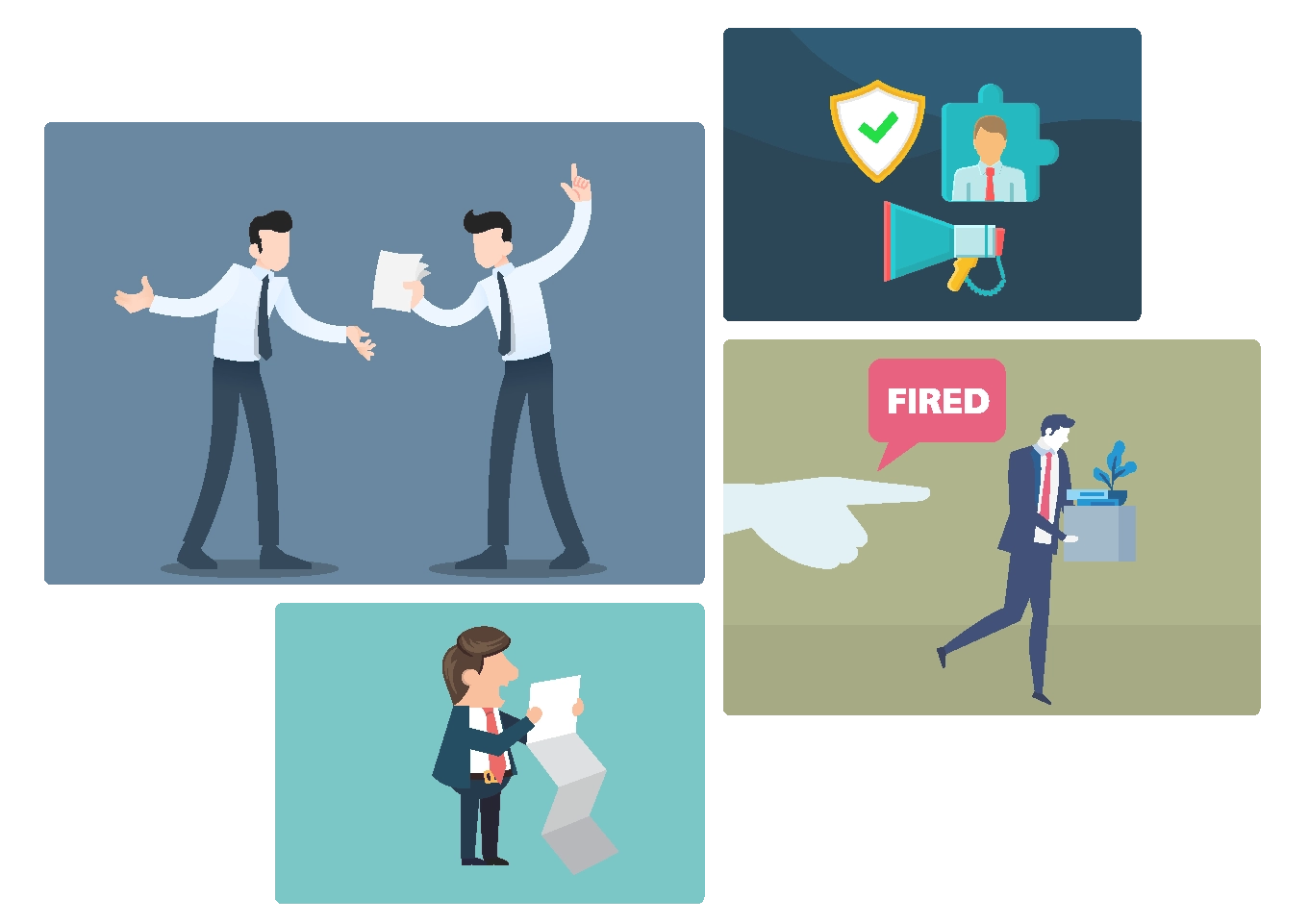
By the end of this course, learners will be able to:
- Recognise what constitutes whistleblowing and distinguish it from personal grievances.
- Understand the legal protections provided under UK’s PIDA and other global frameworks.
- Identify the types of misconduct that should be reported.
- Know how to raise a concern using internal or external whistleblowing channels.
- Understand protection against retaliation and the importance of confidentiality when reporting.
Why Whistleblowing eLearning Training?
Builds a strong speak-up culture
Helps your employees understand their role in the wider organisational makeup and raises awareness on the laws in place thus empowering them to speak up against shadow practices and thereby contribute to the larger goal of fairness and ethical conduct.
Reduces legal and regulatory risk
Backed by robust whistleblower protection regulations such as PIDA, FCA’s SYSC, the False Claims Act, etc., the course reinforces why orgs cannot afford to let signs of misconduct or regulatory breaches slip through the cracks.
Protects whistleblowers
Explains legal protections clearly, builds confidence in safe reporting, promotes anonymity and confidentiality, reduces fear of retaliation, clarifies rights and roles and strengthens organisational culture.
Scenario-driven modules
By walking through realistic scenarios, learners practise identifying red flags, choosing safe reporting options, and applying your org’s whistleblowing procedures with confidence.
Short but Impactful
In just about 10-15 minutes, the course educates your employees and offers quick, high-impact learning without disrupting operations.
Fully mobile-friendly portal
A responsive, mobile-optimised learning portal ensures employees can access the whistleblowing course anytime, anywhere - on their phone, tablet, or laptop. A mobile-friendly design also makes it easier for learners to revisit key guidance, reporting steps, and hotline information whenever they need it.
Course Completion certificate and full tracking
The platform’s detailed tracking and reporting features enable organisations to monitor participation and progress, identify employees who need reminders, and maintain clear audit trails for regulators and compliance reviews.
Option to embed your organisation’s hotline numbers and reporting contacts
his could be included directly into the course or portal for easy access.
Laws & Regulations Addressed in this Course:
| Legislation / Concept | Relevance in the Course |
|---|---|
UK
|
Protections are governed by the PIDA and reinforced through the Financial Conduct Authority’s SYSC.
The course raises awareness on how PIDA protects individuals who raise concerns in the public interest, provided the issue is serious, disclosed through the right internal or regulatory channels, and raised in good faith without personal gain. These protections apply to employees, contractors, consultants, trainees, agency staff, and LLP members. |
U.S.
|
The course builds awareness on the protections provided under the Sarbanes-Oxley Act, the Dodd-Frank Act, and the False Claims Act. Oversight is shared across agencies such as the Securities and Exchange Commission (SEC), Occupational Safety and Health Administration (OSHA), and the Department of Justice (DOJ), depending on the type of concern raised. |
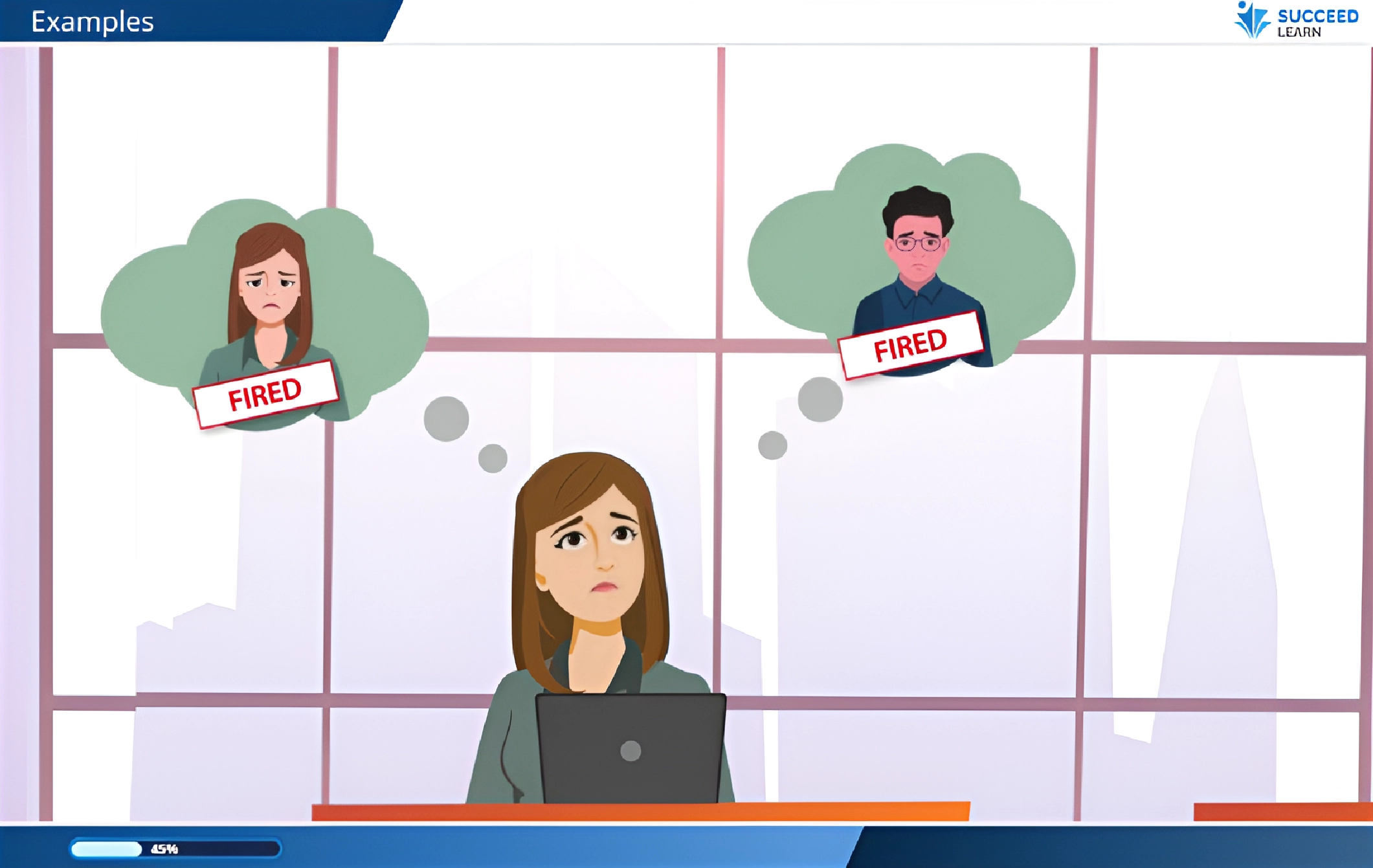
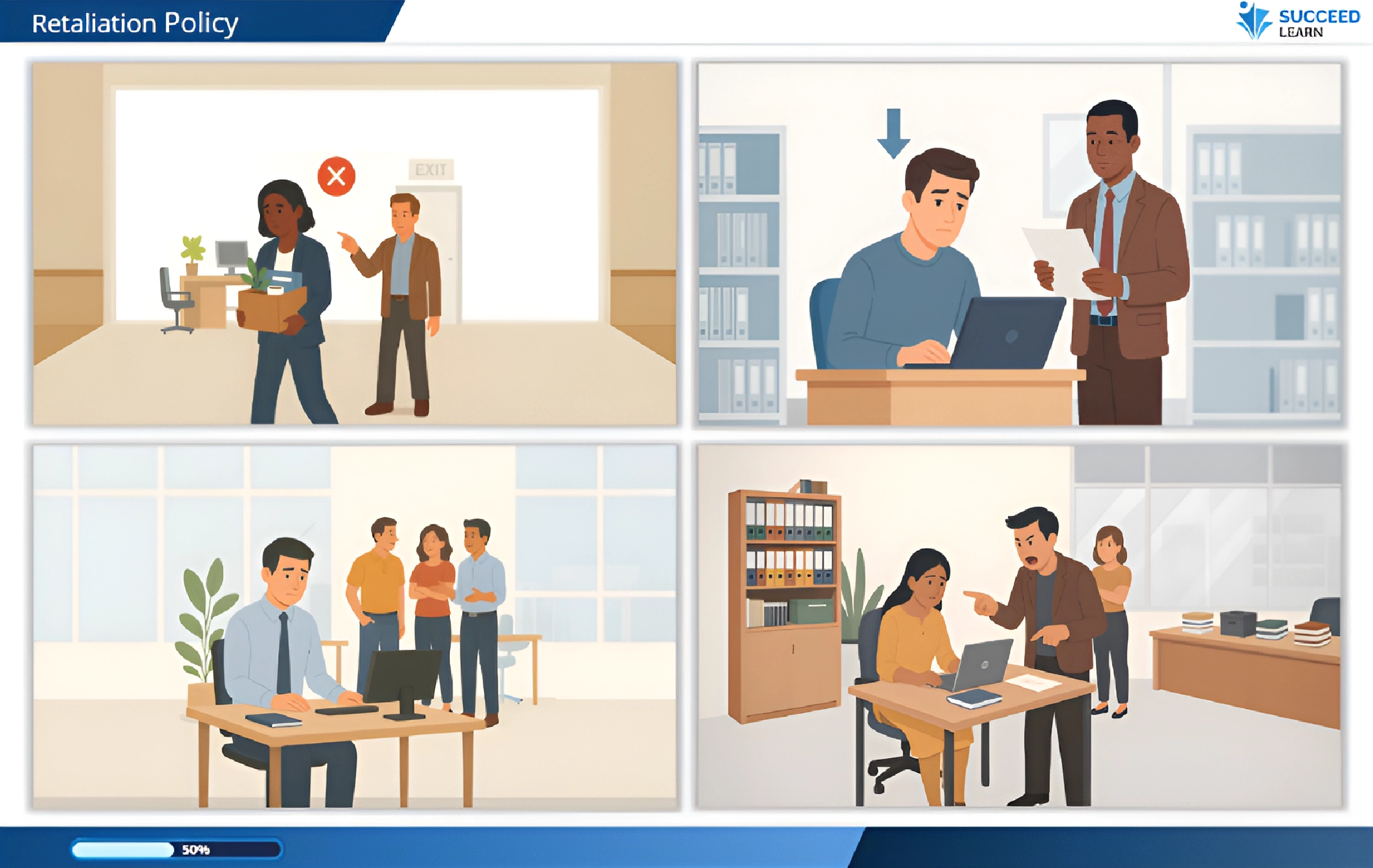
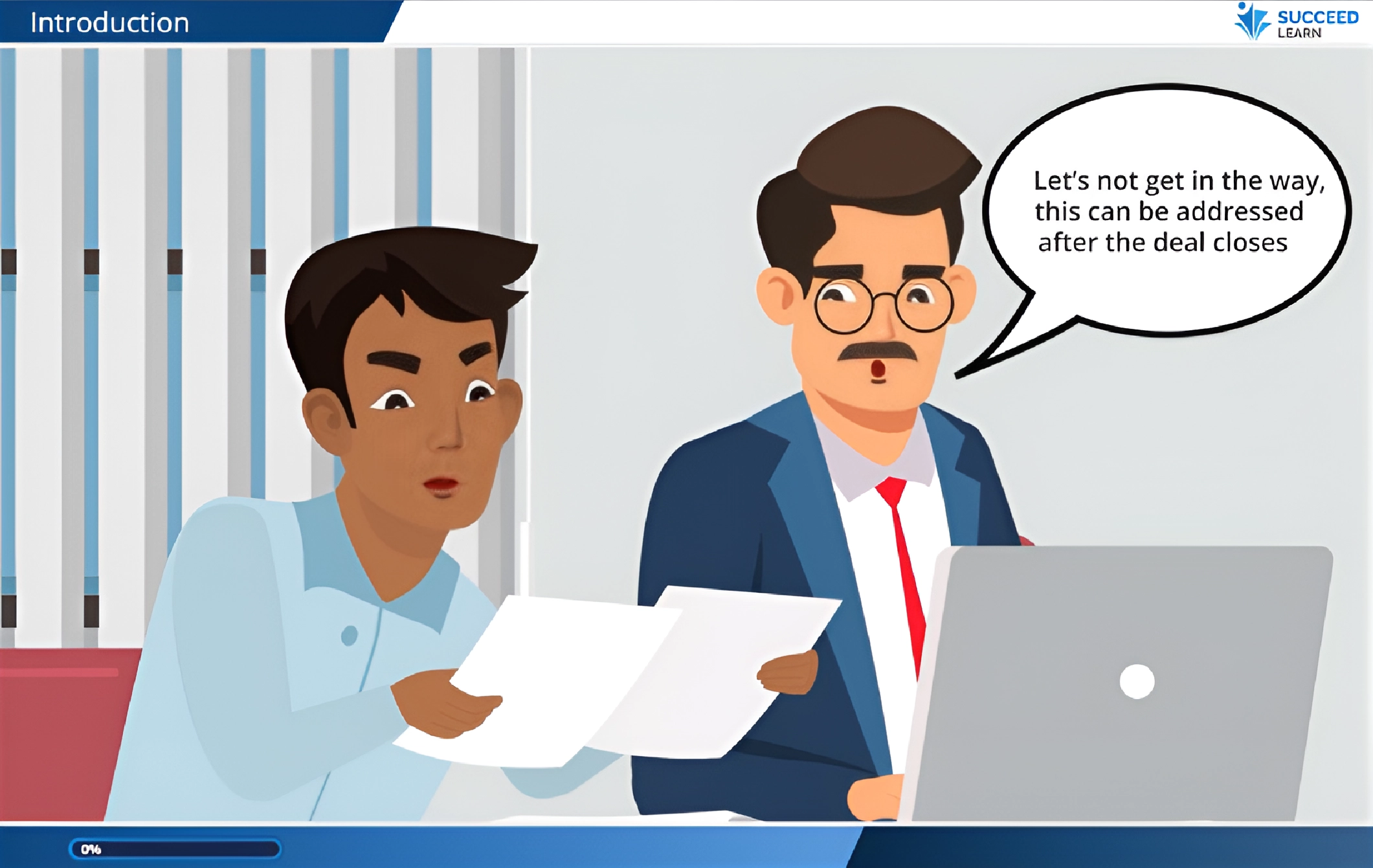
Course's Screenshots

Course Structure
Learning elements
Format & accessibility
Built with a fully responsive design that works seamlessly across desktop, tablet, and mobile, the platform includes a learner-friendly dashboard, automated progress tracking, timely reminders, and smooth integration with your existing systems.
Certificate
On successful completion and passing the assessment, learners can generate a completion certificate as proof of training (configurable per org).
Target Audience
The eLearning Course applies to:
- All employees, regardless of role or seniority
- Managers and supervisors who handle concerns and escalations
- Senior leaders responsible for setting a safe, speak-up culture
- HR, Compliance, Legal, and Risk teams involved in investigations
- Contractors and temporary staff who must understand reporting channels
Case Studies: Real Consequences of Non-Compliance
Whistleblower training is not universally mandatory in all organisations, but in many countries and sectors it is strongly encouraged, expected by regulators, or required under specific laws.
The orgs are required to provide clear, accessible internal reporting channels, train employees on how to raise concerns safely and publish or maintain a whistleblowing policy to remain compliant and avoid any legal repercussions.
The following are few real-world examples where companies faced severe backlash after whistleblowers exposed internal issues:
- Frances Haugen’s case is a stark warning for orgs: when internal whistleblowing systems are weak, employees may feel compelled to take concerns outside. Her disclosures about Facebook’s awareness of mental-health risks for teens led to an immediate $6 billion loss in market value and severe regulatory and reputational damage. With stronger internal reporting channels and proper whistleblowing training, the issue could have been addressed privately before escalating into a global crisis.
- The GlaxoSmithKline (GSK) China scandal shows how costly it can be when employees lack safe internal channels to report misconduct. After whistleblowers exposed improper gifts, cash, and hospitality offered to healthcare professionals, authorities launched a major investigation that resulted in a record US $482 million fine and significant reputational harm. With stronger whistleblowing systems and proper employee training, the concerns could have been raised internally and addressed before escalating into a national enforcement action.
Course Outline
Introduction
- Whistleblower protections mandated by law
Identifying What Qualifies as Whistleblowing
What does whistleblowing look like in practice?
Practical examples of whistleblowing concerns one might encounter
How to Raise a Concern
Protection from Retaliation
Support and Contact
See how Succeed will work for your Organization

Request a Demo
FAQs
A whistleblower is an employee, contractor, supplier, or any individual connected to the org who raises concerns about wrongdoing, risks, or misconduct that could harm the org, its people, customers, or the public.
Individuals can report issues such as fraud, corruption, insider dealing, market abuse, financial misconduct, health and safety risks, data breaches, discrimination, harassment, bribery or conflicts of interest, regulatory violations, unethical behaviour, or any activity that may cause reputational, financial, or legal harm.
Whistleblowing is the act of reporting suspected wrongdoing or concerns in the public or organisational interest through authorised internal or external reporting channels. In the private equity and venture capital sector; where confidentiality, fiduciary responsibility, and investment ethics are paramount; being alert to misconduct is part of professional duty.
Whistleblower protection laws typically cover employees, contractors, consultants, agency staff, trainees, volunteers, job applicants, and in some regions even former employees - provided they make a disclosure in good faith through the appropriate channels.
Complaints that highlight misconduct affecting the org or public interest such as fraud, misuse of funds, safety risks, environmental damage, regulatory breaches, unethical practices or attempts to conceal any of these are treated as whistleblowing disclosures.
Personal grievances such as interpersonal conflicts, wage disputes, performance issues, or HR-related concerns that do not impact the wider org are not considered whistleblowing and should be addressed through the standard HR grievance process.
Whistleblowing training educates employees on how to recognise misconduct, raise concerns safely, understand their role and legal protections, and use the organisation’s reporting channels responsibly.
It helps employees speak up confidently, reduces the risk of hidden misconduct, strengthens compliance, protects the organisation from legal penalties, and fosters a transparent, ethical workplace culture.
Training should include reporting channels, confidentiality protections, types of reportable concerns, examples of misconduct, the investigation process, legal rights and protections, anti-retaliation rules, and managers’ responsibilities when receiving disclosures.
It enhances organisational integrity, encourages early detection of issues, reduces regulatory and reputational risk, supports employees who speak up, and provides documented evidence of compliance for audits and regulators.
Start by updating your whistleblowing policy, selecting an appropriate training format such as SucceedLearn’s Whistleblowing eLearning Course, communicating reporting procedures clearly, assigning responsibilities, rolling out the training to all staff, and monitoring completion through your LMS.
To ensure employees know how to recognise, report, and escalate concerns early, helping prevent misconduct, regulatory breaches, and reputational damage.
Yes. It aligns with global whistleblowing frameworks such as UK’s laws - PIDA, FCA’s SYSC, US laws - Sarbanes-Oxley Act, the Dodd-Frank Act, and the False Claims Act with oversight shared between SEC, OSHA and DOJ, and whistleblowing expectations.
All employees, managers, contractors, and any staff member who may raise or receive concerns.
It encourages employees to speak up without fear, reinforces anti-retaliation policies, and strengthens trust across the org.
Absolutely. We can include your whistleblowing policy, hotline details, escalation steps, and real-life scenarios relevant to your business.
Employees will learn how to spot red flags, when to escalate concerns, and how to use internal channels safely and responsibly.
Completion certificates, LMS tracking, and assessment records provide evidence that employees were trained on whistleblowing obligations.
Yes. Managers learn how to receive disclosures, protect confidentiality, and escalate issues correctly - areas where firms often fail.
Typically, 10–15 minutes, depending on customisation and interactivity.
Yes. Each learner receives a completion certificate for compliance tracking.
If employees aren’t trained on whistleblowing, orgs face serious legal, financial, and reputational risks. Misconduct may go unreported, leading to regulatory breaches, fraud, harassment, data misuse, or safety violations that escalate unnoticed. This lack of awareness can result in costly investigations, fines, damaged trust, and a culture where employees feel unsafe speaking up.
The delivery is fully flexible. If you have an in-house LMS, we can provide the course as a SCORM-compliant package. If not, we offer a seamless SaaS-based hosting option for easy access and deployment.