- Engaging animated explainers
- Clear, voice-narrated slides
- Interactive, scenario-driven activities
- Realistic workplace examples
- Frequent knowledge checks

Learning Objectives
By the end of this course, learners will be able to:
- Understand what constitutes a political donation or contribution.
- Identify activities that may create legal, ethical, or reputational risks.
- Recognise global regulations and company policies governing political donations.
- Distinguish between permissible and prohibited political contributions.
- Apply proper approval and reporting processes for political-related activities.
Why Political Donations Training?
Built on real regulatory frameworks, not generic guidance
Employees may unintentionally trigger violations through political donations, event participation, or public endorsements that appear professionally linked. The course directly reflects requirements under the SEC Pay-to-Play Rule, UK Bribery Act, Companies Act, and FCA standards, ensuring employees understand the actual legal risks your org faces.
Prevents reputational damage from perceived political influence
Even lawful personal political actions can be misinterpreted as organisational support when employees use titles, facilities, or branding. This course helps employees separate personal activities from corporate identity, protecting the firm’s public image and investor trust.
Clarifies what constitutes a political donation including indirect or in-kind support
Many employees are unaware that offering meeting rooms, displaying organisational titles, or attending politically affiliated events may count as political donations. The course provides clarity, reducing inadvertent non-compliance.
Scenario-driven learning based on realistic industry situations
Learners engage with scenarios such as using job titles in donations, attending political events, providing facilities, or endorsing candidates on social media - situations that frequently create hidden compliance exposure. The course empowers your employees to think and act clearly and make wiser decisions as per the ethics.
Focus on reputation and investor trust - not just legal compliance
It helps employees understand how small personal actions tied to professional identity can damage the firm’s credibility with regulators, government entities, LPs, and the public.
Clear, practical rules employees can apply immediately
The training converts complex regulations into concrete actions: when to pre-clear, what counts as a donation, what constitutes in-kind support, and how to avoid perceived organisational endorsement.
Fully customisable to align with your policies and global risk profile
The training can be tailored with your organisation’s Political Donations Policy, Anti-Bribery rules, approval workflows, examples, branding, and jurisdiction-specific requirements ensuring employees learn procedures exactly as they apply within your firm, not generic industry standards.
Laws & Regulations Addressed in this Course
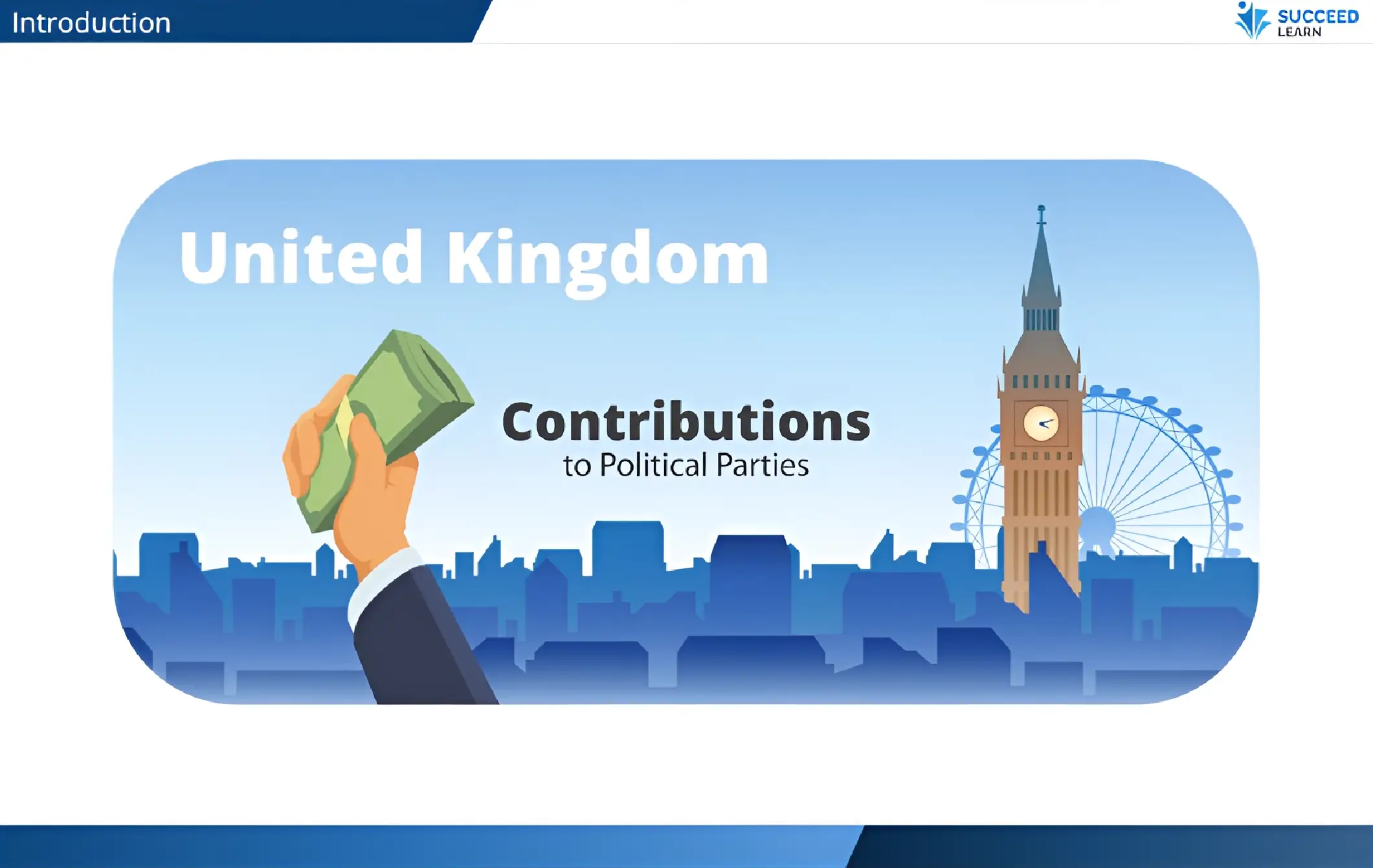
The course covers how political contributions are regulated across global jurisdictions, outlining the stringent campaign-finance, disclosure, and anti-corruption requirements that organisations must meet. Major laws include:
| Legislation / Concept | Relevance in the Course |
|---|---|
UK
|
The course stresses that contributions to political parties or causes may raise conflicts of interest under these laws. |
| U.S. "Pay-to-Play Rule" |
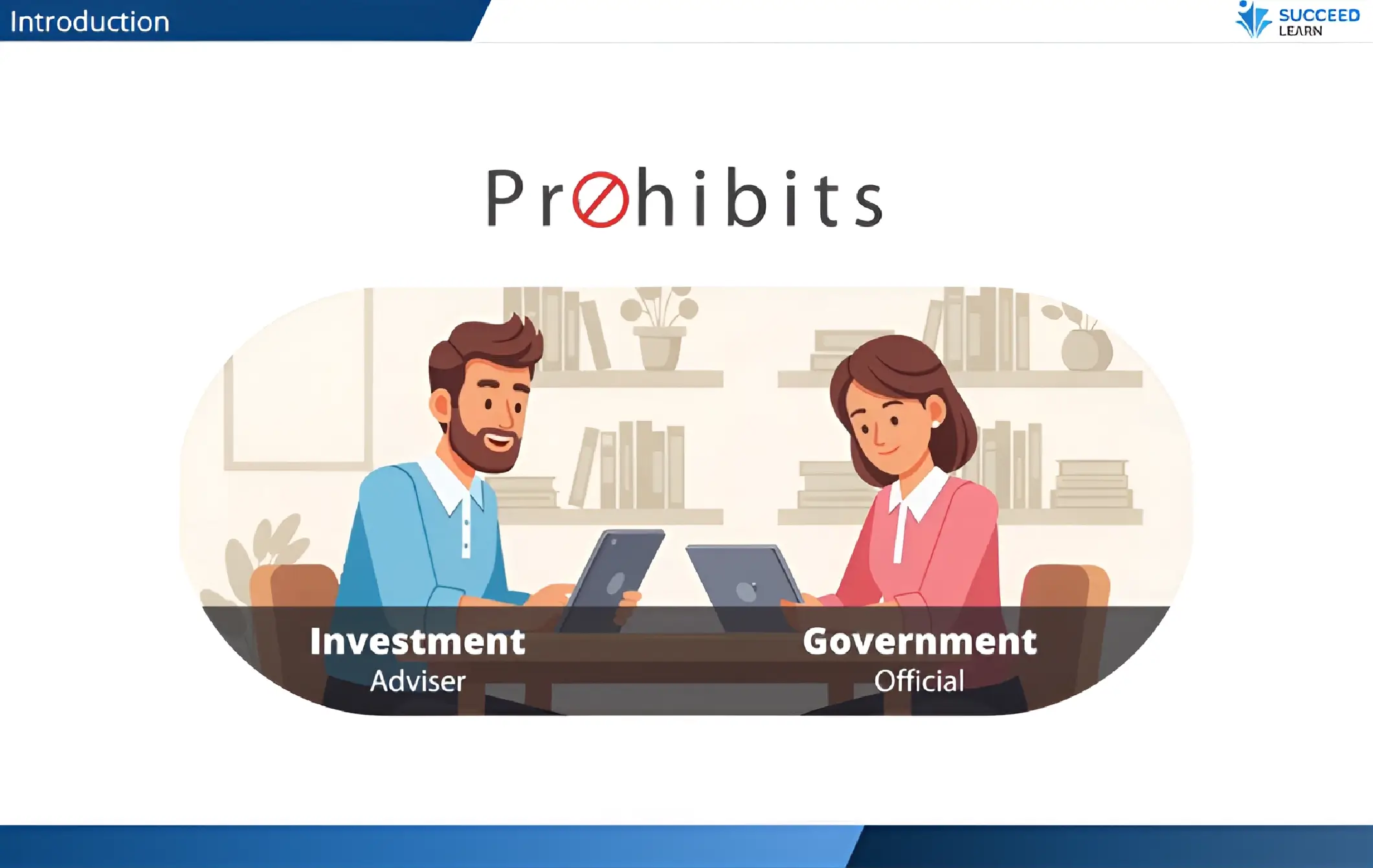
The course covers the SEC’s Rule 206(4)-5, commonly known as the "Pay-to-Play Rule" that prohibits investment advisers from providing advisory services for compensation to a government entity within two years after a political contribution is made to certain public officials. |
Course's Screenshots


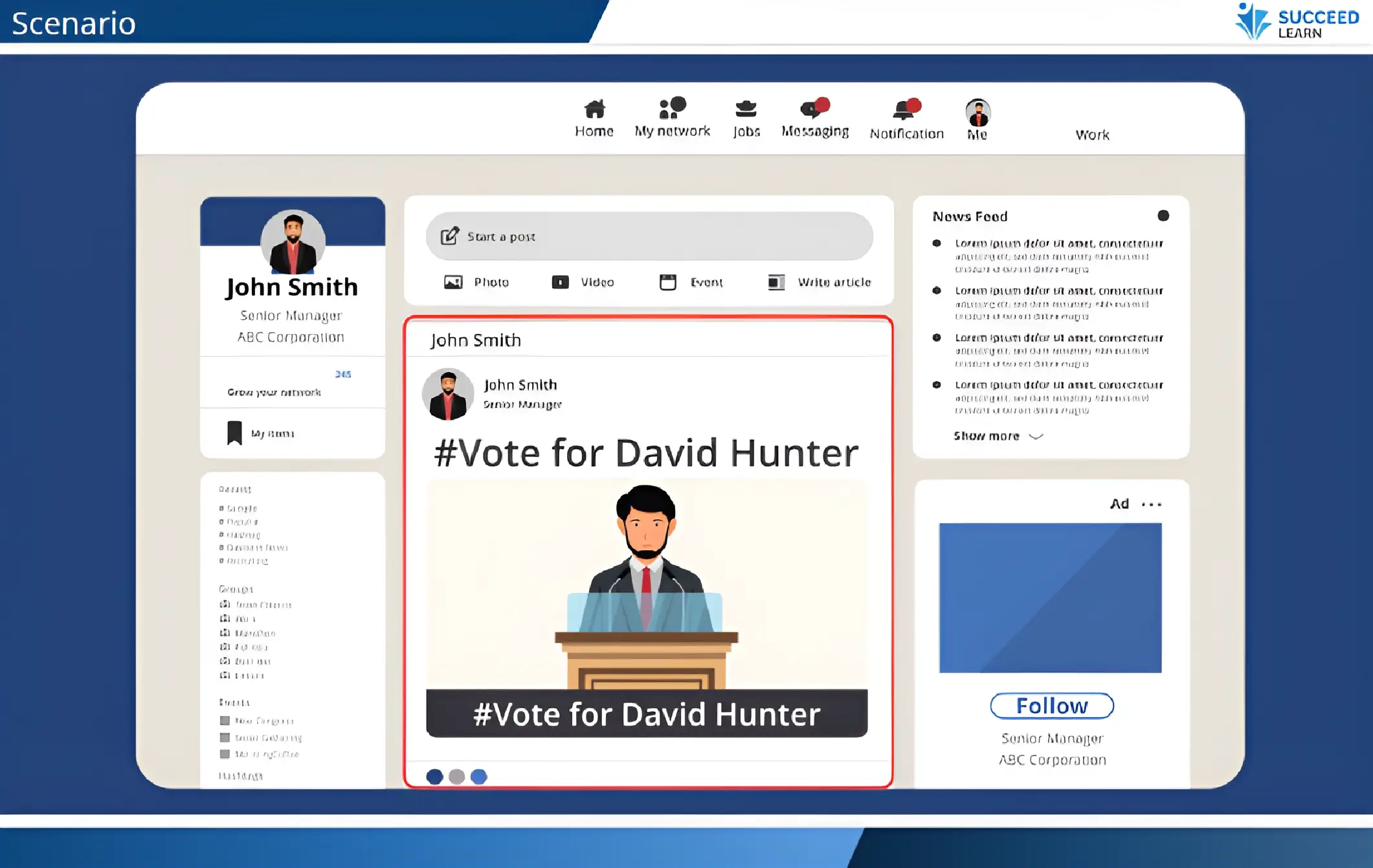
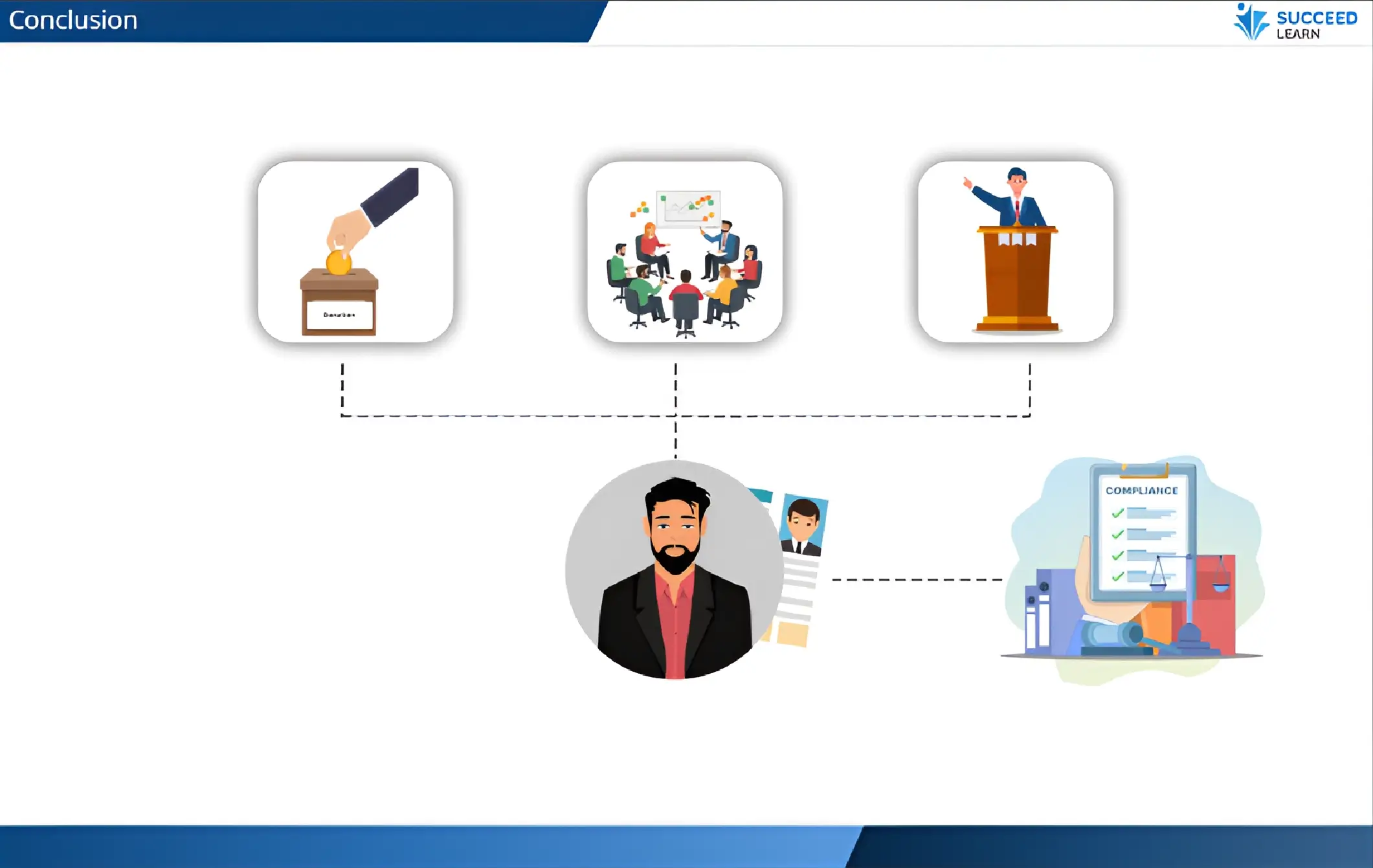
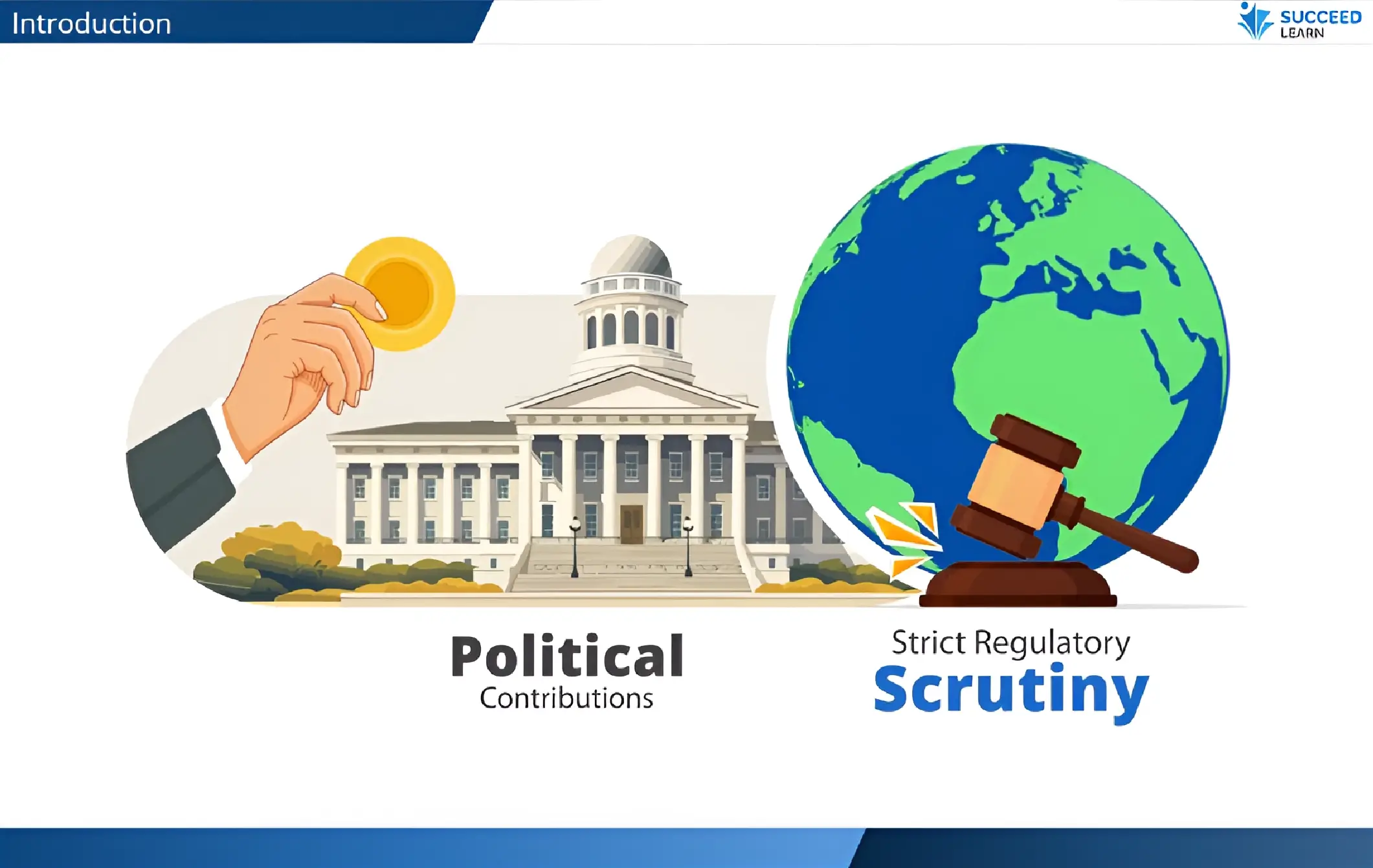

Course Structure
Learning elements
Format & accessibility
The learning experience is fully responsive on desktop, tablet, and mobile, supported by a learner dashboard, progress tracking tools, automated reminders, and smooth integration with your current systems.
Certificate
On successful completion and passing the assessment, learners can generate a completion certificate as proof of training (configurable per org).
Target Audience
The Political Contributions Training is tailored for:
- Employees involved in corporate governance, compliance, or regulatory affairs.
- Senior leaders, executives, and directors responsible for oversight and ethical conduct.
- Government relations, public policy, and lobbying teams.
- Marketing, CSR, and corporate affairs professionals engaging with external stakeholders.
- Any staff member who could be in a position to make, approve, or influence political contributions on behalf of the org.
In short for any employee involved in sponsorships, partnerships, or any activity that may intersect with political entities.
Case Studies: Real Consequences of Non-Compliance
Political Donations Compliance Training is not mandatory for every org. However, orgs are required to maintain strong internal policies, records and transparency, prohibit improper influence, train employees to understand what is allowed and not allowed and monitor and audit political contributions.
Without proper training, orgs could be exposed to some serious legal repercussions.
Here are a few real-world examples where companies faced public backlash or reputational damage because of employees’ or corporate-linked political donations or contributions:
- AshBritt Inc. agreed to a $125,000 DOJ settlement in 2016 after being investigated for funneling political donations through employees, a clear violation of federal campaign-finance rules.
- Better for the Country Ltd, the org behind the Leave.EU campaign, was fined £70,000 in 2018 by the UK Electoral Commission for inaccurately reporting political spending and donations in violation of the Political Parties, Elections and Referendums Act (PPERA).
Course Outline
Introduction
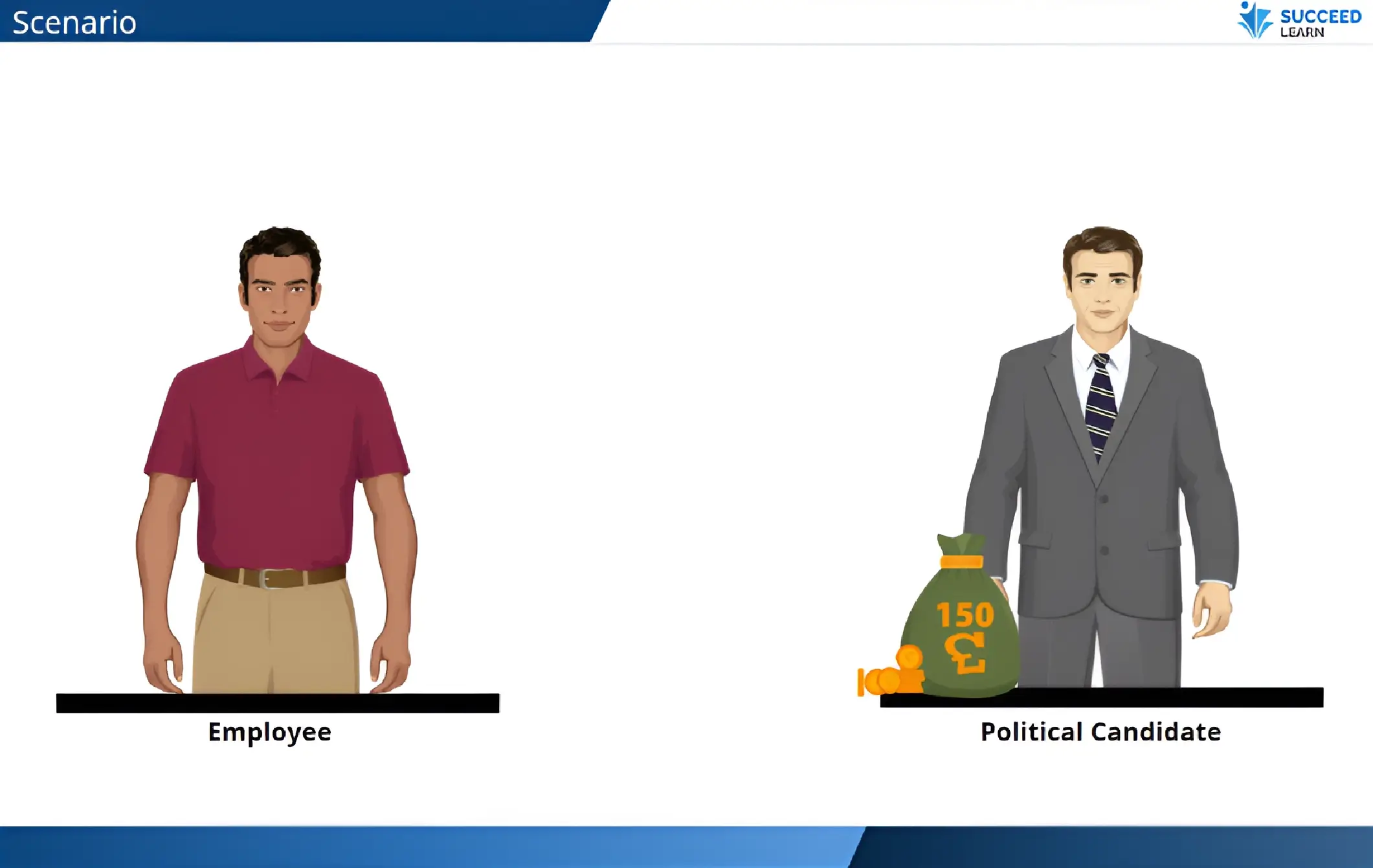
Scenario: An employee donates £150 to a local political candidate.
What Constitutes a Political Donation?
Scenario: A portfolio company requests permission to use an org’s meeting room to host a non-fundraising discussion with a political candidate.
Org’s Policy:
- No Pay-to-Play Practices
- Mandatory Pre-Clearance
- Strict Prohibition on Unauthorised Donations
- Transparency and Record-Keeping
Scenario: An employee is invited to participate in a policy roundtable hosted by a third party.
Why this Matters?
Scenario: An employee plans to publicly endorse a political candidate on LinkedIn.
See how Succeed will work for your Organization

Request a Demo
FAQs
A political donation is any financial or resource-based contribution made to support a political party, candidate, committee, or cause. This can include direct monetary contributions, paying to attend fundraising events, sponsoring politically affiliated activities, offering organisational resources such as meeting rooms, or using your professional title or company branding in a way that appears to endorse a political figure. Even personal actions can be considered political donations if they create the perception of organisational involvement or support.
The Political Donations eLearning Course informs orgs about the do’s and don'ts when it comes to financially or through resources supporting a political candidate or a fund raising event or a cause. It also equips its employees with the ability to make right and ethical decisions through practical and engaging scenarios. The training also covers global regulations such as SEC Pay-to-Play Rule, UK Bribery Act, Companies Act, and FCA standards, ensuring employees understand the actual legal risks their org faces if violations are attempted, thus underscoring compliance.
Political contributions are governed by strict global laws, and even unintentional violations can lead to heavy fines, reputational damage, and stakeholder distrust. This training helps employees understand the boundaries and ensures your organisation maintains compliance and ethical governance.
Any employee who may make, approve, influence, or record political contributions - including executives, public policy teams, CSR, marketing, government relations, and compliance staff - should complete this training.
The course equips employees with clear guidance on permissible vs. prohibited donations, approval workflows, disclosure rules, and conflict-of-interest safeguards, reducing the likelihood of legal breaches and unwanted media scrutiny.
Yes. It explains major regulations such as U.S. SEC’s Rule 206(4)-5, commonly known as the "Pay-to-Play Rule", the UK Bribery Act 2010, Companies Act 2006, and Financial Conduct Authority (FCA) and other international requirements your org may face.
The SEC’s Pay-to-Play Rule means investment advisers cannot provide paid services to a government entity for two years if they or certain employees make political donations above a small allowed limit (usually $350 per election) to officials who can influence that business.
Absolutely. The course can be tailored with your company’s political activity policy, approval processes, disclosure rules, industry context, and branding to ensure relevance for your workforce.
Yes. Learners explore various scenarios where their org may face penalties, fines, or public backlash for improper political contributions, reinforcing the consequences of non-compliance.
The course is designed to be concise and engaging, typically requiring 10–15 minutes, depending on your customisation preferences.
By building employee awareness of political donation rules and transparency expectations, the course strengthens corporate integrity, reinforces ethical decision-making, and helps maintain stakeholder trust.
The delivery is fully flexible. If you have an in-house LMS, we can provide the course as a SCORM-compliant package. If not, we offer a seamless SaaS-based hosting option for easy access and deployment.