- Animated Videos
- Short slides with narrated text
- Interactive scenario exercises
- Frequent knowledge checks / quizzes
- Final assessment / certificate generation

Learning Objectives
By the end of the course, learners will be able to
- Explain the key principles of equality and diversity.
- List the consequences of inequality or discrimination in the workplace.
- Know the legislative frameworks in different countries.
- Explain the different types and forms of discrimination.
- Describe how to handle workplace discrimination or complaints and encourage diversity in the workplace.
Why Global Equality, Diversity and Inclusion (EDI) eLearning Training?
Address inequality or discrimination in the workplace
When comprehensive training is absent, workplaces frequently see issues such as employees from ethnic minorities being overlooked for promotions or LGBTQ+ individuals facing subtle exclusion and jokes.
These common incidents cause significant emotional distress and disengagement. This training is essential, promoting equity, inclusion, and compliance to build a fair and supportive environment for everyone.
Meet the compliance requirements
Workplace inequality or discrimination can lead to serious setbacks, and failure to take reasonable preventive steps may be deemed negligence under the UK Equality Act 2010.
The course helps orgs meet their legal duties while promoting a respectful, equitable, and inclusive workplace culture.
Build Awareness
Many stakeholders at a workplace may be ignorant of their rights, leading to violation of their dignity.
Practical & scenario-based learning
Learners engage in realistic scenarios - such as identifying fair criteria for performance appraisals or addressing biased task assignments to building practical skills in recognizing and responding to discrimination confidently and effectively.
Certified quality
The CPD certification assures that the course meets recognised professional standards for quality, structured learning, accreditation process and learner outcomes.
Laws & Regulations Addressed in This Course
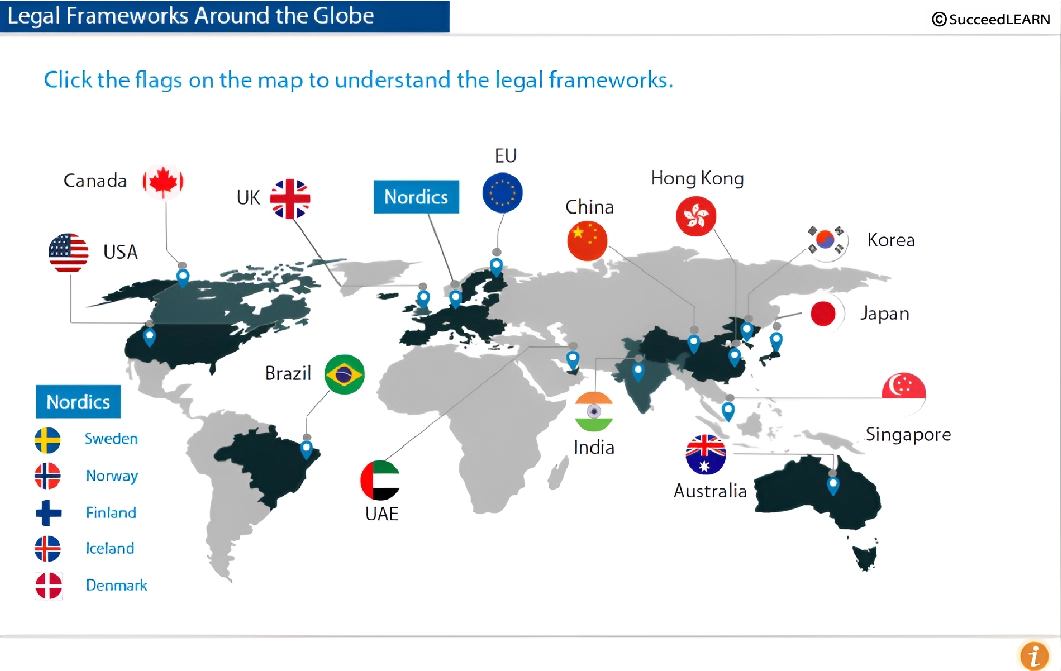
The course covers legal frameworks for India, Canada, Australia, United Arab Emirates, Hong Kong, Japan, The Republic of Korea, United Kingdom, USA, China, Brazil, Nordics, Eurpoean Union and Singapore.
Course's Screenshots



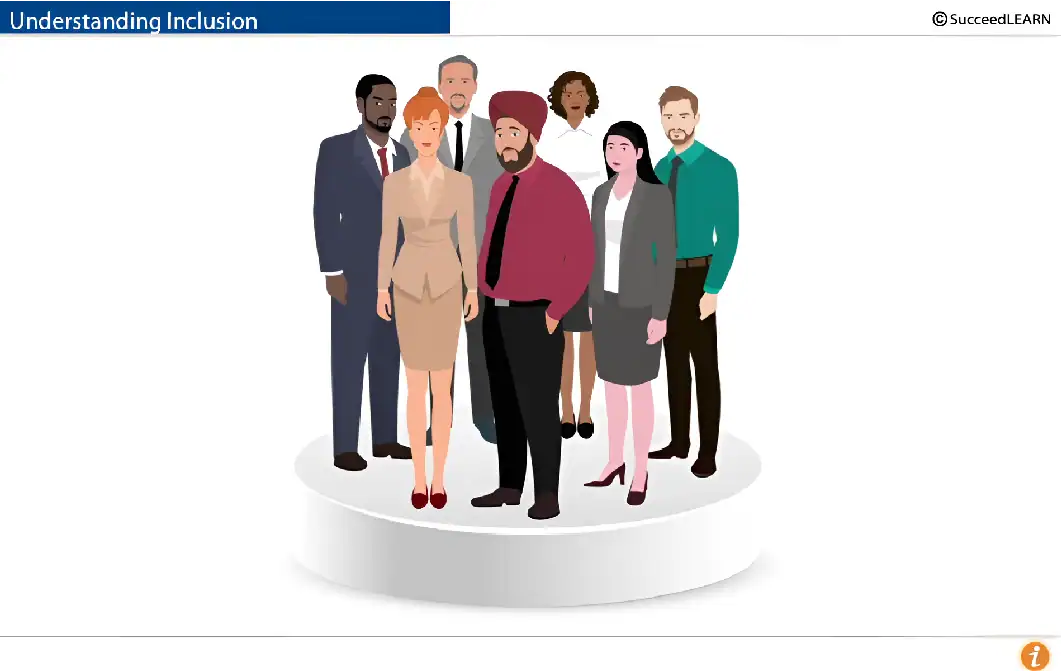
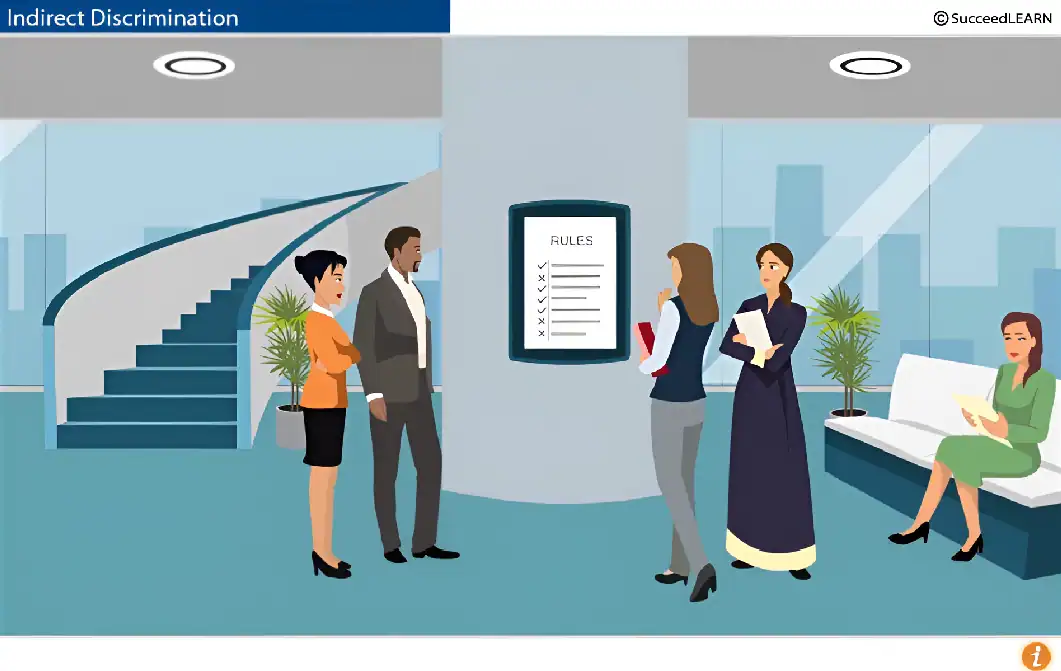
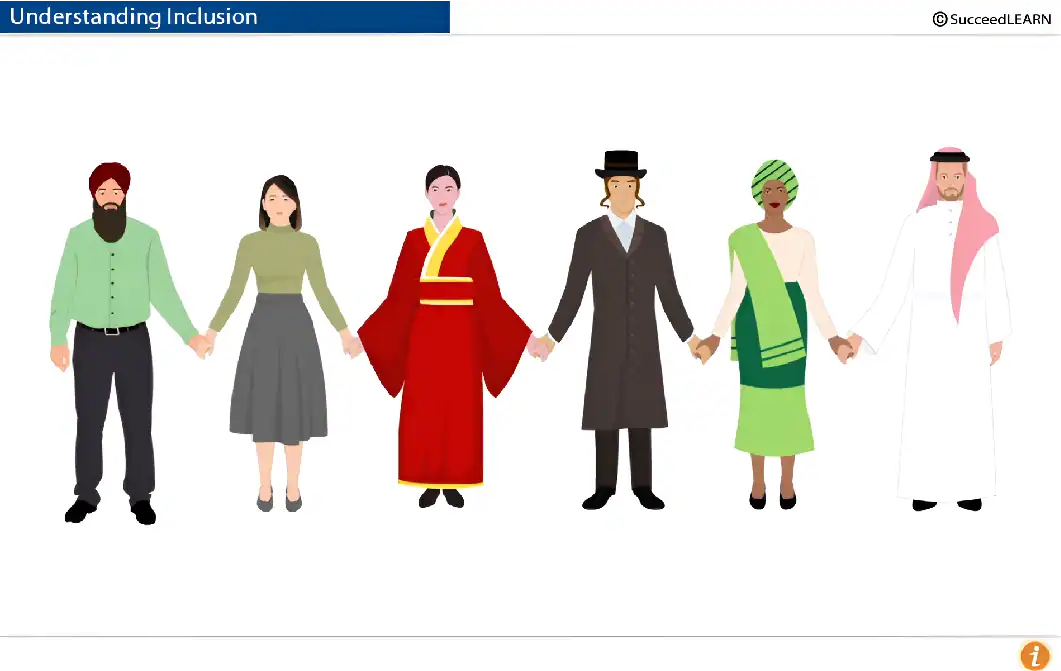
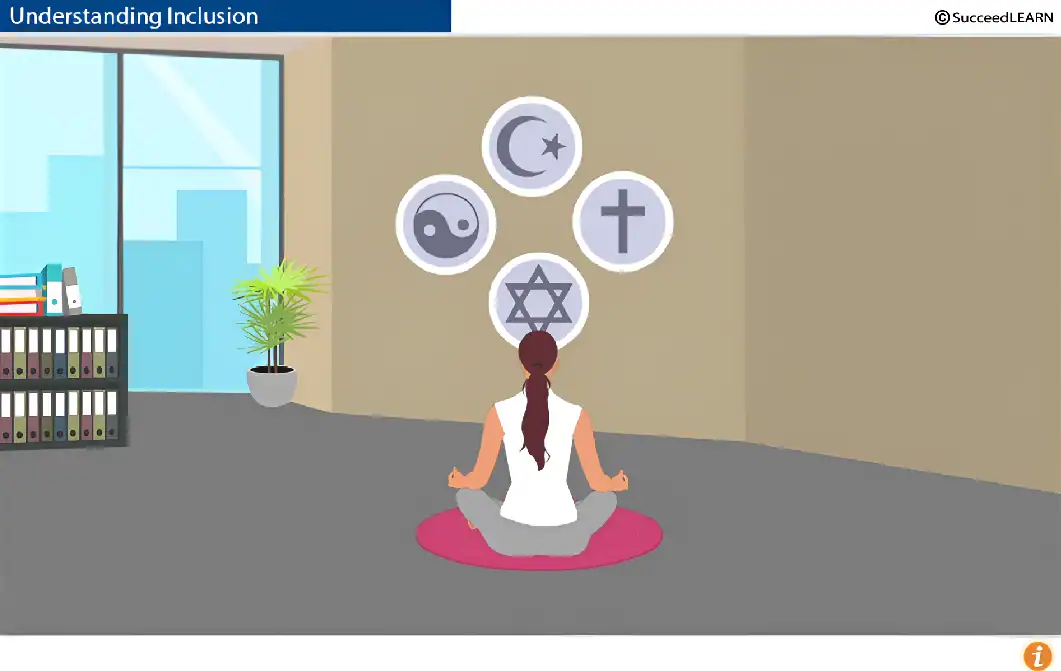
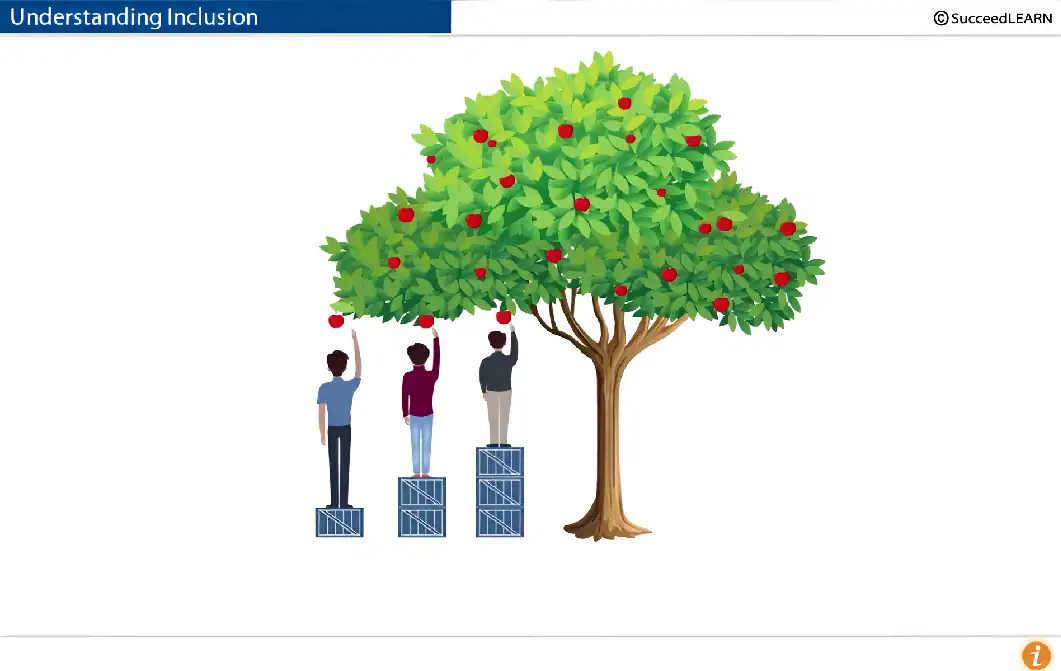

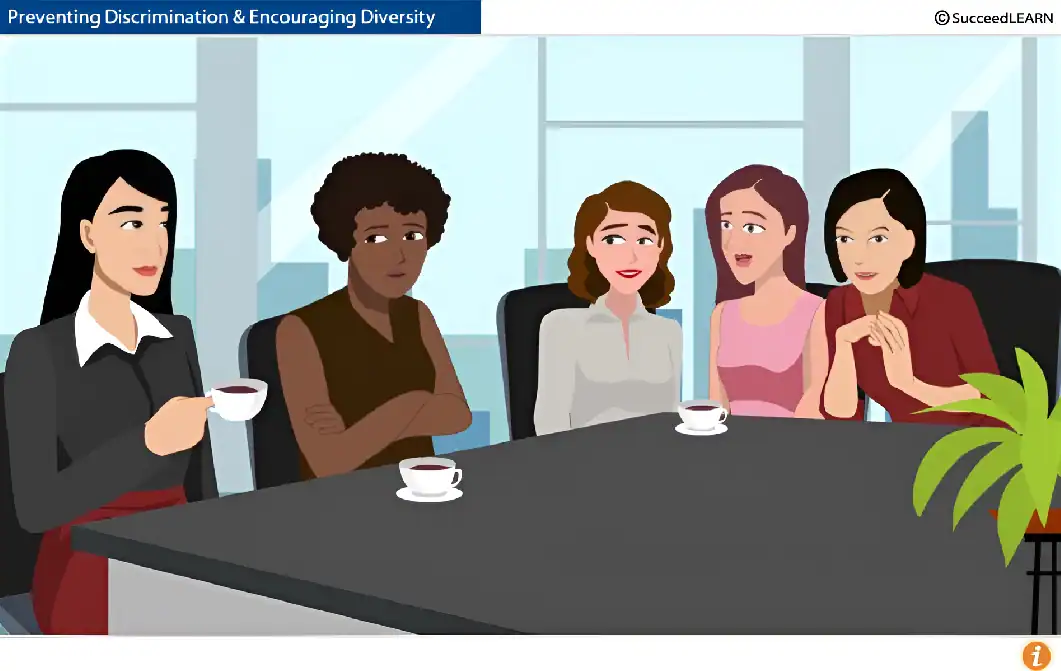

Course Structure
Learning elements
Format & accessibility
Responsive design (usable on desktop, tablet, mobile), learner dashboard, progress tracking, reminders for employees, integration with your existing systems.
Certificate
Upon successful completion, you receive a CPD certificate valid as proof of training.
Target Audience
The course is ideal for Employees and Supervisors, HR Professionals, and anyone seeking to advance Equality, Diversity and Inclusion initiatives.
Case Study: Real Consequences of Non-Compliance
Inequality or discrimination at work will introduce serious setbacks to the firm. If reasonable steps are not taken it would be considered as an act of negligence and the org is liable under The Equality Act 2010, UK, that legally protects people from discrimination in the workplace and in wider society with respect to nine protected characteristics.
- age
- disability
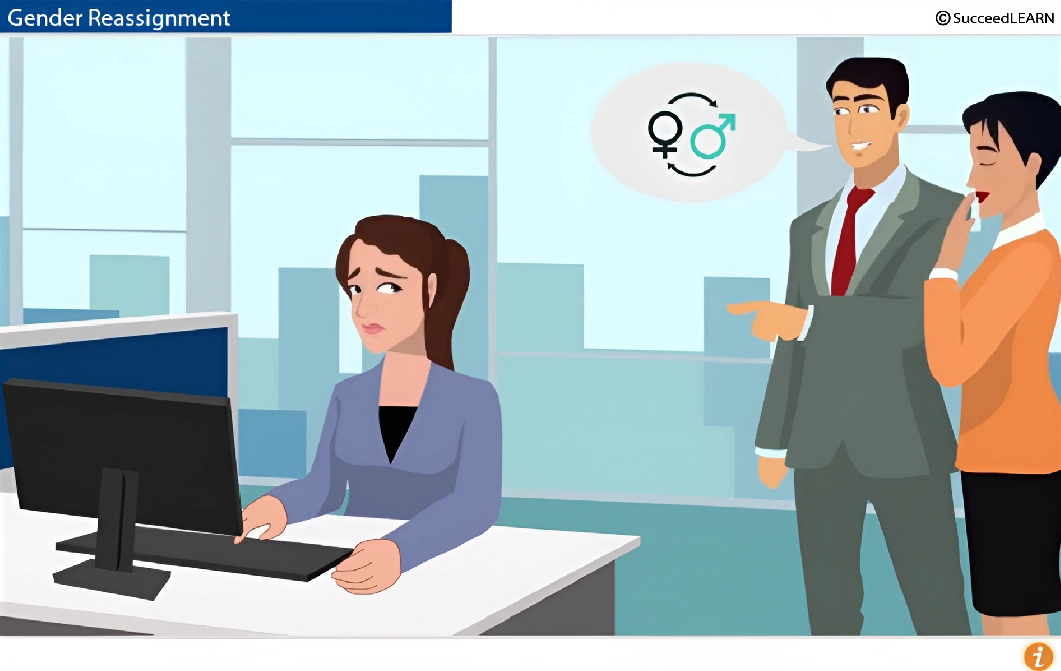
- gender reassignment
- marriage and civil partnership
- pregnancy and maternity
- race
- religion or belief
- gender
- sexual orientation
The Act aims at streamlining and enhancing protection from discrimination and at the same time broadening the scope of protection to different areas.
In the U.S. context for example, when widespread sexual harassment and misconduct went unchecked at the FDIC (Federal Deposit Insurance Corporation), The Wall Street Journal exposed how the agency failed to address toxic workplace behavior -
The Toxic Atmosphere at the FDIC. A WSJ Investigation. - WSJ
A scathing independent review by Cleary Gottlieb Steen & Hamilton LLP, overseen by a special FDIC Board committee, soon followed.
The review found that, for far too many employees and for far too long, the FDIC had failed to provide a workplace safe from sexual harassment, discrimination, and other interpersonal misconduct.
The fallout from the scandal ultimately led to FDIC Chair Martin Gruenberg and four other officials losing their position, as emphasized in the articles Top ethics and compliance fails of 2024 and Gruenberg named in FDIC workplace misconduct report | Banking Dive
This serves as a powerful reminder of the legal and ethical consequences of failing to uphold Equality, Diversity, and Inclusion (EDI) standards.
Course Outline
Equality & Diversity
Consequences of Inequality or Discrimination
Legal Frameworks Around the Globe
Org’s Policy
- Legal Framework
- Zero tolerance policy
- Provide great workplace for all employees
Types of Discrimination
Scenario: Manager is planning his team’s performance appraisal
Forms of Discrimination
Handling Discrimination or Complaints
- Option 1: Object and provide feedback
- Option 2: Report to your manager or the perpetrator’s manager
- Option 3: Report to your HR team
Scenario: Manager assigns tasks to his team members
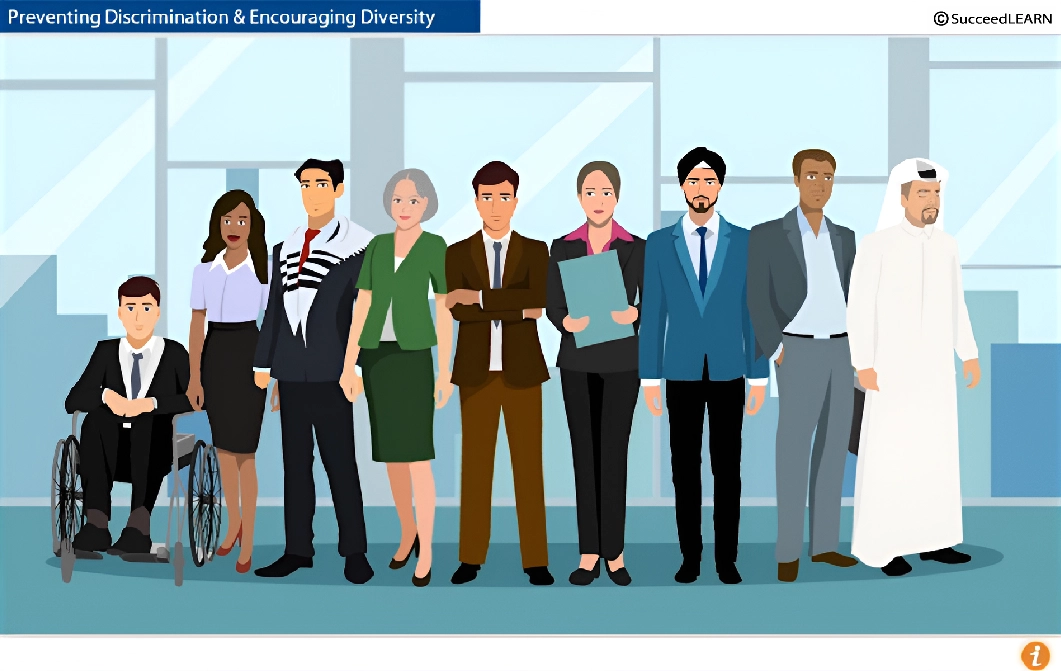
Preventing Discrimination & Encouraging Diversity
- Positive Action
- Tips to encourage diversity
- Inclusion principles
Scenario: New person in your office team who uses a wheelchair.
See how Succeed will work for your Organization

Request a Demo
FAQs
Equality, Diversity and Inclusion (EDI) is a framework that ensures fair treatment, values differences, and creates a workplace where everyone feels respected, supported, and able to contribute fully.
This online EDI course helps orgs understand the importance of equal opportunities, equipping learners to promote inclusion, create fairer workplaces, and understand the legal and moral frameworks of equality, diversity, and inclusion.
The Equality Act 2010 in the UK legally protects individuals from discrimination based on nine protected characteristics including age, disability, gender reassignment, marriage and civil partnership, pregnancy and maternity, race, religion or belief, gender, and sexual orientation, both in the workplace and in wider society.
Key Indian laws include:
Factories Act, 1948 – ensures safe and fair working conditions.
Protection of Civil Rights Act, 1955
Maternity Benefit Act, 1961 – supports women’s rights during and after pregnancy. Equal Remuneration Act, 1976 – guarantees equal pay for equal work.
The Persons with Disabilities (Equal Opportunities, Protection of Rights and Full Participation) Act, 1995
Sexual Harassment of Women at Workplace (Prevention, Prohibition and Redressal) Act, 2013 - protects women from workplace harassment.
The Canadian Human Rights Act prohibits discrimination on the basis of gender, race, ethnicity and other grounds.
The following are the major anti-discrimination laws and programs:
The Canadian Human Rights Act
The Employment Equity Act
- The Federal Contractors Program
- The Legislated Employment Equity Program
- The Workplace Equity Information Management System
The Canada Labour Code
Rights for foreign workers
The Human Rights Maturity Model
Australia’s framework includes several federal acts such as the Racial Discrimination Act (1975), Sex Discrimination Act (1984), Disability Discrimination Act (1992), and Age Discrimination Act (2004). Together, they protect against discrimination in education, employment, and public life.
In the U.S, these are the three federal laws enforced by the U.S. Equal Employment Opportunity Commission (EEOC), to protect employees from workplace harassment and discrimination:
Civil Rights Act of 1964 (Title VII), Equal Pay Act (1963), Age Discrimination in Employment Act (1967) (ADEA).
Title I of the Americans with Disabilities Act (ADA) prohibits an employer from treating an applicant or employee unfavorably in all aspects of employment, with regards to their disability, history of disability or perceived disability.
The USERRA further protects military personnel from workplace bias.
Federal Law No. 29 of 2006 safeguards the rights of people with special needs, while
The Federal Decree Law No. 2 of 2015 prohibits all forms of discrimination, and Federal Law No. 10 of 2017 protects domestic workers’ rights.
Moreover, the UAE has ratified nine conventions of International Labour Organisation related to the rights of workers:
- Hours of Work (Industry) Convention, 1919
- Forced Labour Convention, 1930
- Labour Inspection Convention, 1947
- Night Work (Women) Convention (Revised), 1948
- Equal Remuneration Convention, 1951
- Abolition of Forced Labour Convention, 1957
- Discrimination (Employment and Occupation) Convention, 1958
- Minimum Age Convention, 1973
- Worst Forms of Child Labour Convention, 1999
Hong Kong enforces four key ordinances - Sex Discrimination, Disability Discrimination, Family Status Discrimination, and Race Discrimination, which together guarantee equality under the Hong Kong Bill of Rights.
Japan’s major anti-discrimination laws include Labour Standards Act, Act on Stabilisation of Employment of Elderly People, Equal Employment Opportunity Act, Basic Act for Persons with Disabilities. These acts aim to eradicate workplace discrimination on grounds such as gender, ethnicity, nationality, religion, age and disability.
The Republic of Korea ensures fairness in employment through several key laws - the Labour Standards Act, the Act on Prohibition of Age Discrimination in Employment and Aged Employment Promotion, the Act on Employment Promotion and Vocational Rehabilitation for Disabled People, and the Act on Equal Employment and Support for Work-Family Reconciliation. Together, these acts promote equal opportunities, prevent discrimination, and support a balanced, inclusive workplace.
Implemented on January 1, 2008, the Employment Promotion Law aims to boost employment, balance economic growth with job opportunities, and maintain social harmony. It guarantees workers the right to equal employment, prohibiting discrimination based on ethnicity, race, gender, or religion. Workers facing discrimination can file lawsuits, and violators must compensate for damages. The law also requires all levels of government to actively eliminate discriminatory employment practices.
The Constitution of the Federative Republic of Brazil upholds equality by promoting the well-being of all people, without prejudice based on origin, race, sex, color, age, or disability. Under its Social Rights, it guarantees fair treatment for urban and rural workers, prohibiting discrimination in wages, hiring, and employment criteria based on sex, age, color, marital status or disabilities.
Since 2000, EU legislation has expanded equal rights beyond gender to include race and ethnicity, religion and belief, disability, sexual orientation, and age, as outlined in the Amsterdam Treaty. The Equal Treatment Directive ensures equal opportunities for men and women in employment, vocational training, working conditions (including pay), and occupational social security schemes, promoting fairness and inclusion across all member states.
Nordics (Denmark, Finland, Sweden, Norway, Iceland): Follow shared equality principles aligned with EU anti-discrimination laws as stated below:
Since 2000, EU legislation has expanded equal rights beyond gender to include race and ethnicity, religion and belief, disability, sexual orientation, and age, as outlined in the Amsterdam Treaty. The Equal Treatment Directive ensures equal opportunities for men and women in employment, vocational training, working conditions (including pay), and occupational social security schemes, promoting fairness and inclusion across all member states.
Singapore: Under Article 12 of its Constitution, all individuals are equal before the law and entitled to equal protection. Furthermore, there shall be no discrimination on the grounds of religion, race, descent, or place of birth.
This course is ideal for
- Employees, as they often collaborate with peers from diverse cultures or engage with external vendors.
- Supervisors and managers, who lead teams comprising individuals from varied backgrounds.
- HR Professionals, responsible for shaping inclusive policies and ensuring fair workplace practices.
- And anyone seeking to advance Equality, Diversity and Inclusion initiatives within their organization.
Yes. The course uses relatable scenarios and examples sensitizing you on the do’s and don'ts when it comes to safe workplace demeanor.
For example,
When a manager plans team performance appraisals, it’s essential that the process is fair, objective, and free from bias.
A new team member who uses a wheelchair should be treated with the same respect, inclusion, and opportunities as everyone else. Ensure the workspace is accessible, communicate with empathy (not pity), and focus on their skills and contributions rather than their disability.
The course for now is available in English. However, it could be tailored to your language.
Yes. The participant will receive a Course Completion Certificate.
The content is designed to reflect diverse cultural perspectives and workplace contexts worldwide. It promotes respect for local norms while emphasizing universal principles of fairness and respect.
The delivery is fully flexible. If you have an in-house LMS, we can provide the course as a SCORM-compliant package. If not, we offer a seamless SaaS-based hosting option for easy access and deployment.